

Digital platforms help left-wing candidates expand reach beyond traditional party structures
NEW YORK: Progressive candidates are increasingly securing victories in Democratic primary elections across the United States, with political analysts pointing to the growing influence of left-leaning digital media platforms that allow candidates to reach voters directly while bypassing traditional party networks.
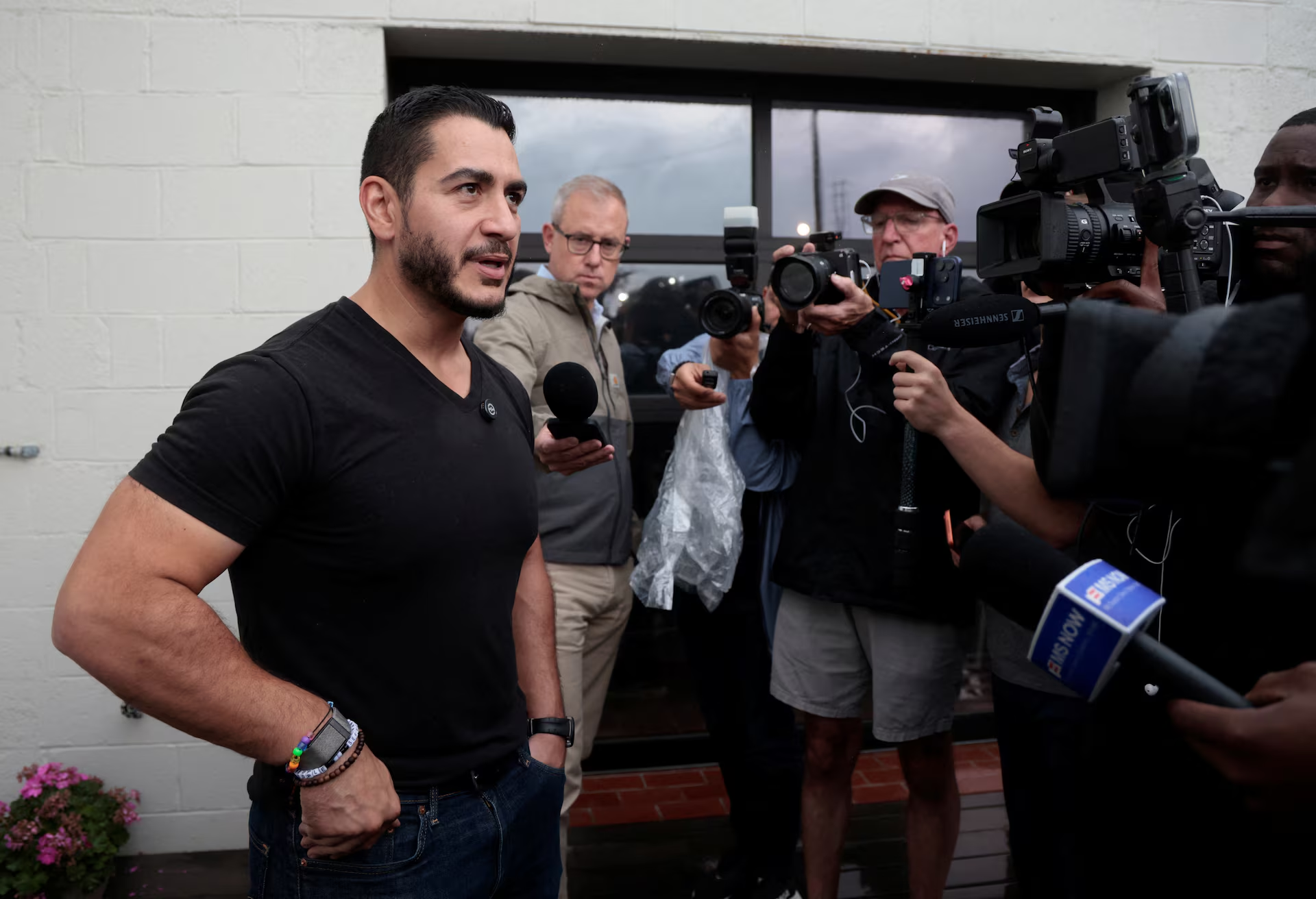
The trend gained renewed attention after Abdul El-Sayed narrowly defeated establishment-backed candidate Haley Stevens in Michigan’s Democratic Senate primary. Despite being significantly outspent on television advertising, El-Sayed built momentum through appearances on podcasts, YouTube channels and independent online news platforms popular among progressive audiences.
Pennsylvania State Representative Chris Rabb, who recently won a congressional primary, also credited independent political programs for boosting his visibility, fundraising and grassroots support. According to Rabb, these platforms helped expand his national profile while connecting him with politically active audiences.
Independent creators reshape Democratic campaigns
Political commentators say the expanding ecosystem of progressive podcasts, livestreams and digital publications is becoming an increasingly important force in Democratic politics. Outlets such as Zeteo, The Majority Report and Breaking Points provide candidates with opportunities to discuss policy issues in greater depth than traditional television interviews typically allow.
Media entrepreneur Mehdi Hasan argued that independent platforms have filled a gap in political coverage by offering greater exposure to viewpoints often underrepresented in mainstream media. Meanwhile, campaign strategists say these appearances generate online engagement, increase fundraising and strengthen volunteer recruitment.
Several influential progressive commentators have also publicly supported candidates through endorsements, fundraising events and campaign appearances, further expanding their reach among left-leaning voters.
Growing influence sparks debate
Supporters argue that the new media landscape energizes Democratic voters and encourages broader participation in primary elections. They believe the platforms help candidates communicate directly with grassroots supporters while promoting policies such as expanded healthcare, campaign finance reform and other progressive priorities.
However, some political analysts caution that the increasingly partisan nature of independent media could deepen divisions within the Democratic Party. They warn that candidates who appeal strongly to progressive activists may still face challenges attracting moderate voters in competitive general elections.
Despite those concerns, digital creators continue expanding their audiences, with millions of followers across YouTube, Twitch, Substack and other social media platforms. As the 2028 election cycle approaches, analysts expect independent online media to play an even greater role in shaping Democratic campaigns, fundraising strategies and national political debates.

