

ISLAMABAD: Prime Minister Shehbaz Sharif is set to undertake a three-nation visit starting with Saudi Arabia as Pakistan intensifies diplomatic engagement amid rapidly evolving regional tensions, sources told the media on Tuesday. The visit reflects Islamabad’s growing role in regional diplomacy at a time of heightened geopolitical uncertainty.
According to well-placed sources, officials have rescheduled the trip, which was initially planned only for Saudi Arabia. The revised itinerary now includes visits to Qatar and Turkey, where the prime minister will meet senior leadership to discuss urgent diplomatic and security matters. The tour aims to strengthen coordination with key regional partners and reinforce Pakistan’s diplomatic outreach.
Regional consultations to focus on security and diplomacy
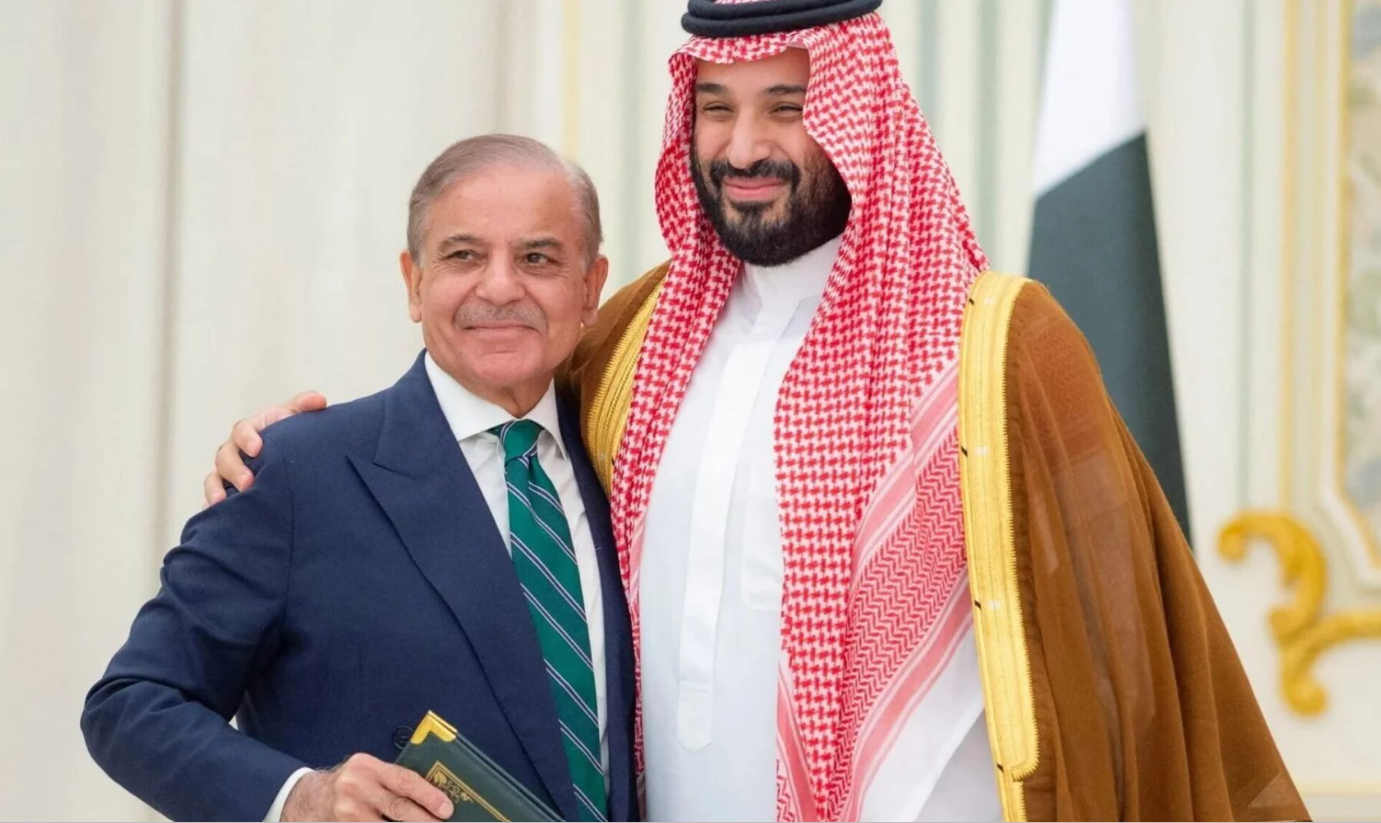
Prime Minister Shehbaz will first travel to Saudi Arabia, where he is scheduled to meet Crown Prince Mohammed bin Salman to review bilateral cooperation and regional developments. Officials said both sides will discuss economic collaboration, security coordination, and emerging geopolitical challenges affecting the Middle East.
Moreover, leaders are expected to exchange views on ongoing diplomatic developments, including the recent Islamabad negotiations between the United States and Iran. Sources indicated that consultations will also cover the security situation surrounding the Strait of Hormuz and preparations for a potential next round of talks between Washington and Tehran.
Pakistan seeks stronger partnerships amid mediation role
Pakistan has moved into the international spotlight as it assumes a mediator’s role between the United States and Iran in efforts to end the ongoing conflict in the Middle East. The recent negotiations in Islamabad marked the first direct engagement between the two countries in more than a decade and represented the highest-level dialogue since Iran’s 1979 revolution.
Although negotiators held intensive discussions lasting more than 21 hours, they did not reach a formal agreement. Subsequently, the United States initiated a maritime blockade around Iranian ports, placing additional pressure on a fragile two-week ceasefire and raising concerns about regional stability.

