

Pope Calls for Strict Global Regulation of AI Technology
Pope Leo XIV has issued a major warning about the growing dangers of artificial intelligence, urging governments worldwide to regulate the technology before it moves beyond human control. In his first major official document, the Pope warned that uncontrolled AI development could spread misinformation, intensify global conflict, and create serious ethical risks for humanity.
The Vatican released the lengthy encyclical titled Magnifica Humanitas on Monday. The document focused heavily on the dangers and responsibilities linked to artificial intelligence. It also addressed war, global instability, corporate influence, and social justice concerns connected to modern technology.
The Pope stressed that governments must not allow AI systems to develop without strong legal oversight. He warned that rapid technological progress without accountability could damage democratic systems, threaten workers, and place dangerous power in private hands.
According to the Vatican, the document had been under preparation for more than a year and represents one of the strongest Church positions ever taken on artificial intelligence.
Pope Warns About AI-Controlled Weapons and Endless Wars
One of the most alarming sections of the encyclical focused on autonomous weapons systems. Pope Leo warned that some military technologies have advanced so rapidly that they are now nearly impossible for humans to fully control.
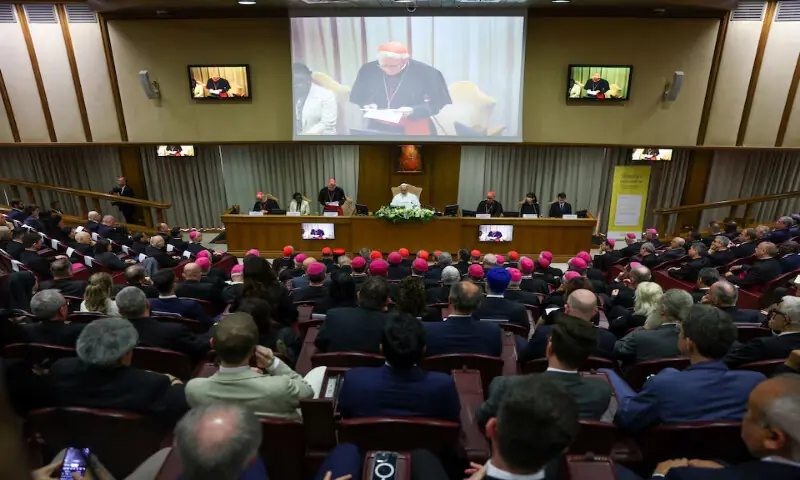
Speaking during a Vatican event launching the document, the Pope said AI systems must never be trusted with lethal decision-making powers. He argued that warfare controlled by machines could push humanity toward permanent instability and endless violence.
The Pope called for the strictest ethical standards in military AI development. He urged world leaders to prevent machines from making life-and-death decisions independently.
The Vatican event was attended by technology experts, including Chris Olah, co-founder of Anthropic, one of the world’s leading artificial intelligence companies. Olah welcomed the Pope’s intervention and admitted that AI companies face intense commercial pressure while developing advanced systems.
The Pope also criticised the global arms industry and warned that financial profits continue driving conflicts around the world. He said civilians remain the biggest victims of modern warfare.
Pope Rejects “Just War” Theory and Addresses Global Conflicts
In one of the most significant statements of the document, Pope Leo openly challenged the traditional “just war” theory. The doctrine has historically been used by religious scholars and political leaders to justify wars under specific conditions.
The Pope declared that the concept has become outdated in the modern era. He argued that advanced weapons and large-scale destruction have made wars increasingly devastating for civilian populations.
Without directly naming specific countries, the Pope criticised world leaders who use armed conflict to distract citizens from domestic political and economic problems. He warned that violence and military aggression reflect moral and political failure.
The encyclical also highlighted concerns over weakening international institutions and declining global cooperation. The Pope called for stronger multilateral systems capable of addressing global challenges collectively.
Pope Raises Concerns Over Workers, Children, and Digital Exploitation
The document also addressed the human cost of modern technology production. Pope Leo criticised what he described as “new forms of slavery” linked to the AI industry and global manufacturing chains.
He pointed to poor working conditions faced by labourers involved in extracting rare earth materials used in smartphones, computers, and AI systems. The Pope expressed particular concern about child labour in dangerous mining operations.
He urged governments and technology companies to protect workers’ rights and ensure ethical supply chains across the industry.
The Pope also warned that children must be protected from the harmful effects of uncontrolled AI systems and digital platforms. He called for responsible innovation that prioritises human dignity over profits and competition.
Vatican Calls for Global Responsibility on AI Risks
Throughout the document, Pope Leo repeatedly stressed that artificial intelligence should remain under human supervision and ethical control. He urged policymakers, companies, and ordinary citizens to take responsibility for shaping the future of technology.
Using the biblical story of the Tower of Babel as an example, the Pope warned against unchecked human ambition driven only by power and technological advancement.
He said humanity must work together to build systems focused on the common good rather than division, conflict, and corporate interests.
The Pope concluded by warning that people should not ignore AI risks simply because the challenges appear too large. He said every individual and institution has a role to play in protecting humanity from dangerous technological misuse.

