
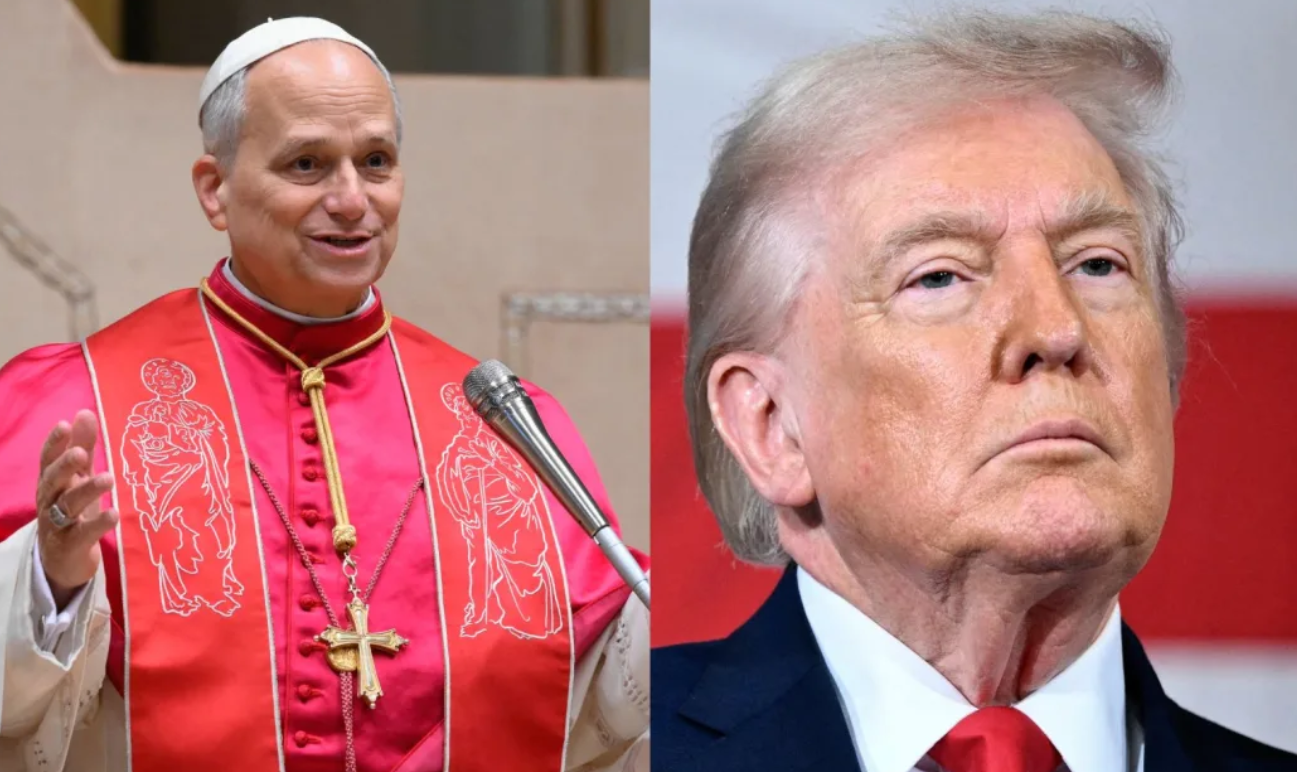

Pope Leo XIV has warned that the rapid rise of artificial intelligence could increase global tensions. He said the technology may fuel “conflict, fear and violence” if left unchecked.
The remarks came during his visit to Cameroon, where he addressed large gatherings. His statements reflect growing concern about the impact of emerging technologies.
AI and the Risk to Truth and Society
The pope delivered a strong message while speaking to students and teachers. He highlighted deeper risks linked to artificial intelligence.
“The challenge posed by these systems is greater than it appears: it is not just about the use of new technologies, but about the gradual replacement of reality by its simulation,” he said.
He warned that distorted realities could reshape human perception. As a result, society may struggle to distinguish truth from falsehood.
“In this way, polarisation, conflict, fear and violence spread. What is at stake is not merely the risk of error, but a transformation in our very relationship with truth.”
Therefore, the pope stressed the need for caution in adopting such technologies.
Africa Visit Draws Massive Crowds
During his visit, Pope Leo held a large public Mass in Douala. More than 120,000 people attended the event.
The gathering marked one of the largest moments of his Africa tour. Worshippers welcomed him with music, chants, and celebration.
Many attendees described the experience as deeply emotional. Some had waited overnight to see the pope in person.
The visit has drawn strong public support across Cameroon. Crowds have greeted him warmly at multiple locations.
Political Tensions and Global Disputes
The pope’s visit comes amid heightened global tensions. His remarks follow criticism of ongoing conflicts and international policies.
Recent developments have also sparked political reactions. A controversial AI-generated image involving a global leader added to the debate.
Meanwhile, the pope has continued to speak openly on global issues. He has called for peace and responsible leadership.
In earlier remarks, he also criticized actions that contribute to instability. Therefore, his statements reflect broader concerns about global governance.
Concerns Over Environment and Resource Extraction
In addition to AI, the pope addressed environmental issues. He warned about the impact of extracting rare earth materials.
These materials are essential for modern technologies, including AI systems. However, their extraction often harms local communities.
He criticized practices that lead to environmental damage. Moreover, he raised concerns about exploitation of natural resources.
The pope also spoke against corruption in the mining sector. He emphasized the need for fairness and accountability.
Message to Leaders and Society
Throughout his visit, Pope Leo has delivered strong messages on ethics and responsibility. He urged leaders to act in the public interest.
He also called for an end to practices that harm vulnerable populations. Therefore, his speeches focused on justice and human dignity.
In Cameroon, the Catholic Church plays a significant social role. As a result, his message reached a wide audience.
The pope encouraged unity and shared responsibility. He stressed that global challenges require collective action.
Tour Continues Across Africa
The visit to Cameroon forms part of a wider African tour. The pope has already visited other countries during the trip.
He is scheduled to travel to Angola next. After that, he will conclude the tour in Equatorial Guinea.
This journey covers thousands of kilometres across the continent. It highlights his focus on global outreach and engagement.
Conclusion
Pope Leo XIV’s warning on artificial intelligence reflects rising global concerns. He linked technology risks with broader social and political challenges.
At the same time, his Africa visit has drawn strong public support. His message combines caution, responsibility, and hope.
Ultimately, the pope has called for balance between innovation and ethics. Therefore, his remarks may shape future discussions on technology and society.

