

Pakistan and Oman have signed a new petroleum agreement aimed at strengthening fuel supplies and expanding energy cooperation. Under the arrangement, Oman’s state-owned OQ Trading will supply petroleum products to Pakistan State Oil (PSO). The agreement also includes a $200 million credit facility to support petroleum purchases.
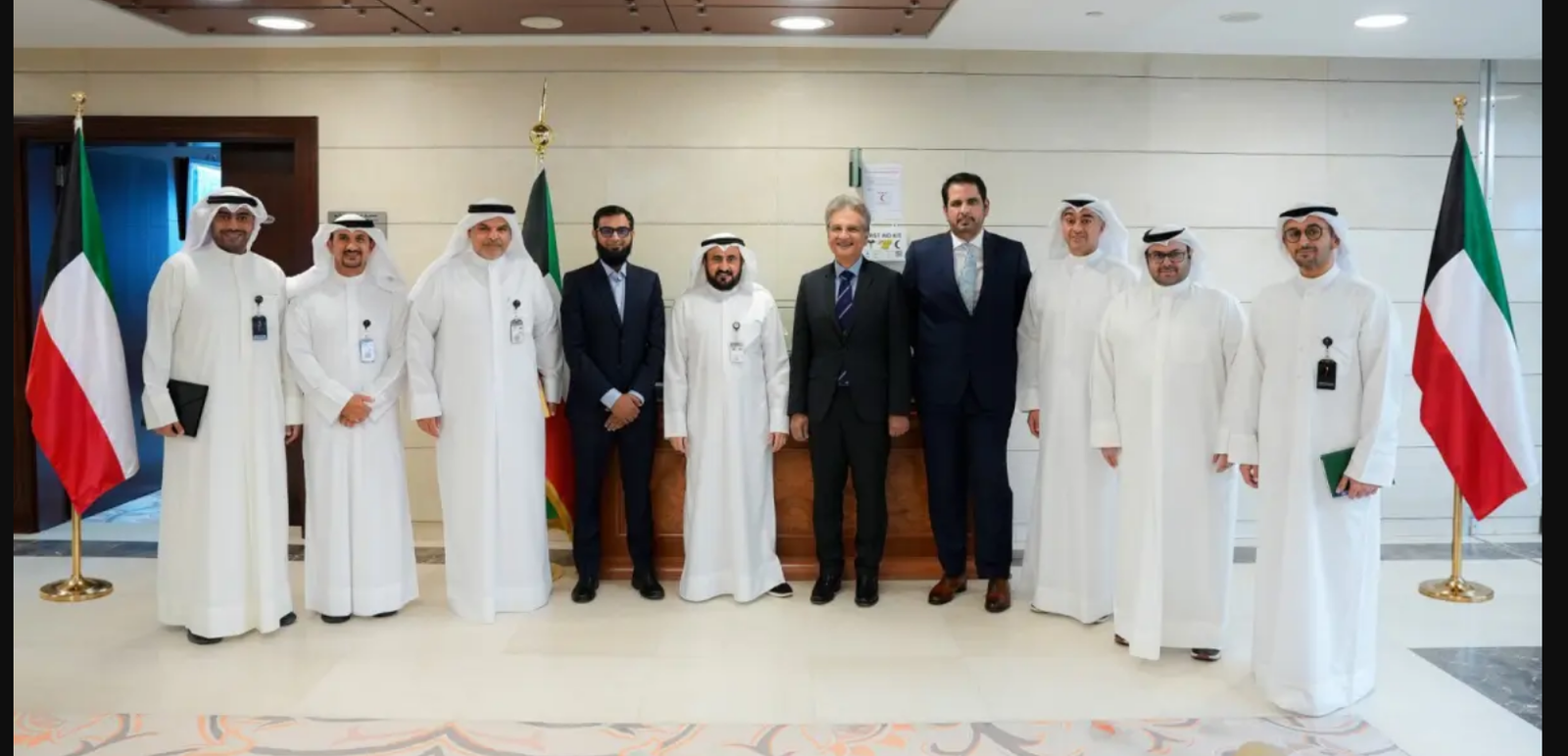
The agreement was signed on Sunday during Petroleum Minister Ali Pervaiz Malik’s visit to Muscat. He met Oman’s Minister of Energy and Minerals, Eng. Salim Al Aufi, to discuss opportunities for stronger cooperation.
The development comes as regional energy market disruptions raise concerns about reliable petroleum supplies. Moreover, Pakistan is seeking to diversify its import sources amid continuing uncertainty surrounding the Strait of Hormuz.
Pakistan and Oman Sign Major Petroleum Supply Agreement
Following their discussions, both ministers witnessed the signing of a Sale and Purchase Agreement (SPA) between PSO and OQ Trading (OQT).
OQT, Oman’s global commodity trading company, will supply petroleum products to Pakistan under the new arrangement. Additionally, the company has agreed to provide PSO with a $200 million credit line.
This facility will help PSO finance petroleum purchases while supporting commercial cooperation between the two state-owned companies.
During the meeting, both ministers also discussed broader opportunities across the oil, gas and minerals sectors. They welcomed the establishment of the Pakistan-Oman Joint Working Group on Oil and Gas.
Both sides agreed to use this institutional mechanism effectively to strengthen bilateral engagement. They also expressed interest in expanding cooperation across energy and mining.
How the Agreement Could Strengthen Pakistan’s Fuel Supplies
The new agreement provides Pakistan with another channel for sourcing petroleum products. This could help diversify imports and improve supply reliability during periods of regional energy market volatility.
Both ministers welcomed the arrangement and expressed confidence in its implementation. They said stronger commercial ties would support Pakistan’s efforts to improve energy security through diversified imports.
The Petroleum Division described the agreement as a significant step in the commercial relationship between PSO and OQT.
“The agreement marks an important milestone in the commercial relationship between the two companies and provides a structured arrangement for petroleum product supplies from OQT to PSO, supporting supply reliability amid continued volatility in regional energy markets,” the Petroleum Division’s statement said.
OQ Trading Already Supplies Gasoline and LPG to Pakistan
The agreement builds on an existing commercial relationship between OQT and PSO. OQT has already become a major gasoline supplier to Pakistan’s state-owned oil company.
During 2026, the Omani company supplied PSO with more than one million tonnes of gasoline. The latest agreement creates a framework for expanding this trade relationship further.
Meanwhile, OQT has also increased its presence in Pakistan’s liquefied petroleum gas (LPG) market. The company supplies LPG to both state-owned and private-sector buyers.
According to the Petroleum Division, OQT’s LPG supplies to Pakistan could exceed 120,000 metric tonnes by the end of 2026.
This projected volume reflects the company’s continued role in meeting domestic market demand. It also highlights the importance of maintaining energy supplies amid regional disruptions.
Pakistan and Oman Seek Wider Energy and Investment Cooperation
Beyond petroleum supplies, both countries are exploring additional opportunities across the energy and minerals industries. Their latest discussions highlighted a shared interest in stronger commercial partnerships and increased investment.
The establishment of the Joint Working Group on Oil and Gas also provides an institutional platform for continued cooperation. Through this mechanism, both sides aim to identify mutually beneficial opportunities and strengthen existing ties.
The discussions also build on recent diplomatic engagement between Islamabad and Muscat.
Last month, Oman’s Foreign Minister Badr Albusaidi visited Pakistan for two days and met senior Pakistani officials.
During his visit, he attended the eighth session of the Pakistan-Oman Joint Ministerial Commission (JMC). Both countries emphasised the importance of encouraging business delegations to visit each other’s markets.
They also discussed opportunities to expand trade, attract investment and strengthen institutional collaboration.
The latest petroleum agreement adds another dimension to these efforts, bringing PSO and OQT together through a supply arrangement and substantial credit support. It also reinforces Pakistan and Oman’s broader efforts to deepen cooperation across petroleum, energy and minerals.
For the latest updates, visit and follow The Truth International website (www.thetruthinternational.com) and subscribe to the YouTube Channel.

