

Above-normal temperatures expected as authorities caution over floods, heat and dengue risks
ISLAMABAD: The Pakistan Meteorological Department (PMD) has forecast below-normal rainfall across much of the country during August, warning that reduced precipitation and higher-than-average temperatures could place additional strain on agriculture, irrigation systems and water resources.
According to the department’s latest seasonal outlook, rainfall is expected to remain below normal in most parts of Punjab, Sindh and Balochistan. Some areas of northeastern Punjab, Khyber Pakhtunkhwa and Azad Jammu and Kashmir are also likely to receive less rainfall than usual, while Gilgit-Baltistan is expected to experience near-normal precipitation.
The PMD also forecast above-normal temperatures across Pakistan throughout August, increasing the likelihood of heat stress, particularly in the plains of Punjab, Sindh and Balochistan.
Agriculture and disaster risks remain a concern
The department warned that reduced rainfall could adversely affect Kharif crops by increasing irrigation requirements and intensifying water shortages, especially in Punjab and Sindh.
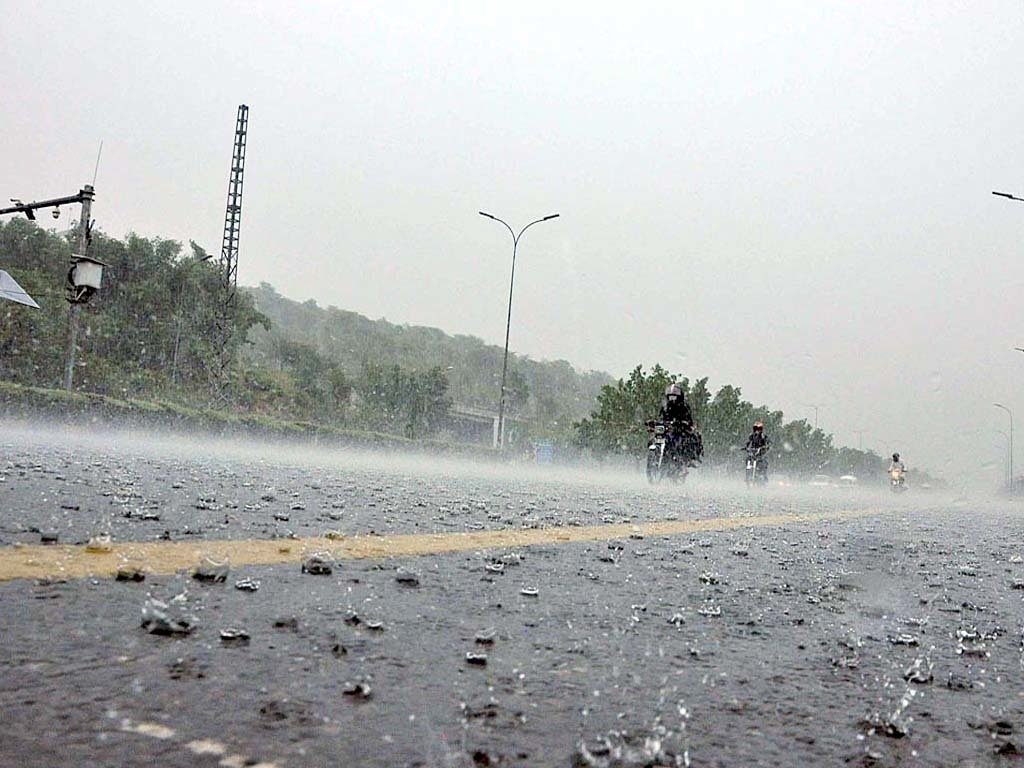
Despite the expected rainfall deficit, the PMD cautioned that flash floods remain possible in mountainous regions during heavy downpours. Urban flooding could also occur in major cities if intense rainfall develops, while hill torrents in southern Punjab and Balochistan may experience sudden flooding.
Additionally, rapid glacier melting in northern Pakistan may heighten the risk of landslides, avalanches and flash floods. Strong winds, dust storms, thunderstorms and hail could also damage standing crops in vulnerable agricultural areas.
Rainfall deficit may persist through October
Looking ahead, the PMD expects below-normal rainfall to continue across most parts of Pakistan between August and October, with persistent deficiencies forecast for northeastern Punjab and southeastern Sindh.
Meanwhile, Gilgit-Baltistan, northern Khyber Pakhtunkhwa and Kashmir may receive near-normal to above-normal rainfall during the three-month period.
The department also predicted above-normal temperatures nationwide through October, warning that prolonged hot weather could worsen water shortages for key Kharif crops and increase irrigation demand.
Furthermore, the PMD cautioned that warm and humid conditions may elevate the risk of dengue outbreaks, particularly in urban areas of southern Pakistan. Residents in flood-prone and low-lying areas have been advised to remain vigilant and follow official weather advisories throughout the season.

