
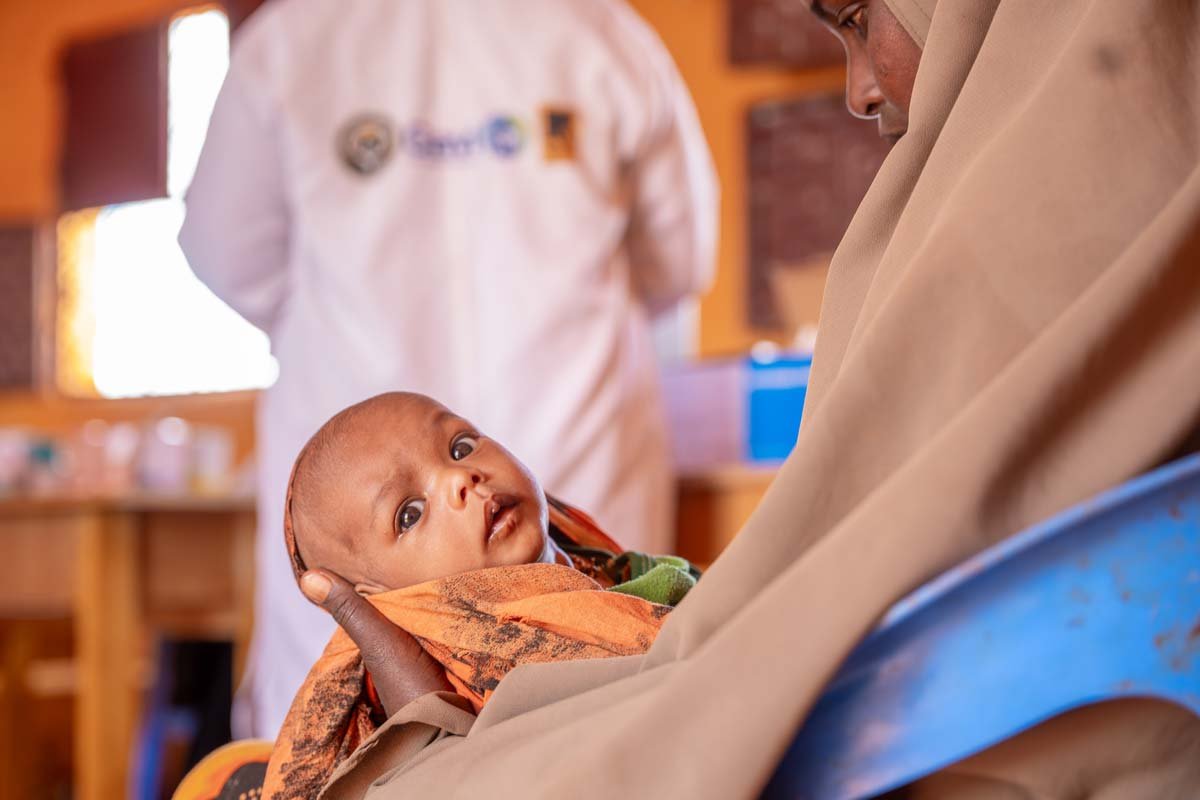

The Pakistan Medical Association has issued a nationwide red alert over rising immunisation gaps. Officials warned that 651,000 children remain completely unvaccinated against preventable diseases.
Zero-dose children are infants who have not received the first diphtheria, tetanus, and pertussis vaccine. Consequently, health experts fear a major resurgence of vaccine-preventable childhood illnesses.
According to the association, Pakistan now has one of the highest numbers of zero-dose children. Therefore, it declared the situation a National Public Health Emergency.
PMA Warns of Serious Public Health Risks
The association said the immunity gap has exceeded the level required for herd immunity. As a result, communities face a greater risk of widespread disease outbreaks.
PMA Secretary-General Dr Abdul Ghafoor Shoro described the crisis as a collapse of preventive healthcare. He said the figures reflected deep-rooted failures within Pakistan’s healthcare system.
According to the latest World Health Organization regional data, five countries account for 90 percent of zero-dose children. These countries include Sudan, Yemen, Afghanistan, Pakistan, and Somalia.
However, Pakistan differs because it is not experiencing nationwide armed conflict. Therefore, the PMA blamed governance failures and administrative negligence for the growing crisis.
Association Calls for Immediate Reforms
The PMA identified several structural weaknesses behind declining routine immunisation coverage. These include weak Expanded Programme on Immunisation systems, poor outreach, and persistent vaccine hesitancy.
Furthermore, the association cited nepotism, administrative neglect, and inadequate political commitment as major contributing factors. It urged authorities to strengthen immunisation services without further delay.
The PMA demanded independent audits of provincial health and EPI funds to improve transparency. It also called for eliminating procurement irregularities and holding negligent officials accountable.
Additionally, the association recommended GIS-based tracking of unvaccinated children in high-risk districts. It also urged better vaccine supply chains, timely payments, improved training, and stronger protection for frontline health workers.

