
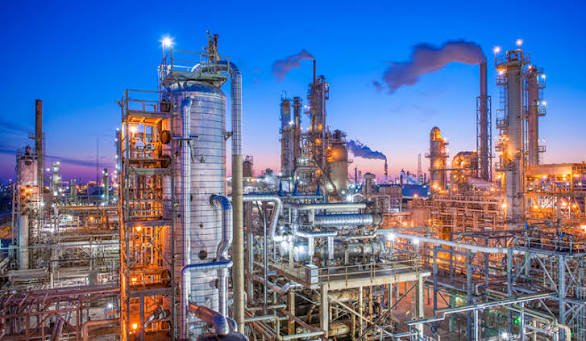

Pakistan is moving closer to a major transformation of its oil refining sector, with five major refineries preparing to sign agreements under the Brownfield Refinery Upgradation Policy.
The agreements are expected to unlock approximately $6 billion in investment and support the modernization of existing refining facilities across the country.
The Petroleum Division said the managements of Pak Arab Refinery Limited (PARCO), Pakistan Refinery Limited (PRL), National Refinery Limited (NRL), Cnergyico and Attock Refinery Limited (ARL) have confirmed their readiness to sign the agreements.
The deals are expected to be signed early next month. They would mark a major step toward implementing the government’s plans to upgrade Pakistan’s aging refining infrastructure.
Five Refineries Ready to Sign Upgrade Agreements
Petroleum Minister Ali Pervaiz Malik recently held separate meetings with the managements of the five refineries to review progress on the Brownfield Refinery Upgradation Policy.
The discussions covered the financial and operational performance of the companies. They also focused on challenges affecting implementation of the policy and ways to improve Pakistan’s energy security.
According to the Petroleum Division, the managements confirmed that the necessary preparations had been completed.
The agreements will provide the formal foundation for refinery modernization projects. The government expects these projects to attract billions of dollars in investment into the domestic petroleum sector.
Malik said upgrading existing refineries is essential for the long-term sustainability of Pakistan’s refining industry.
The planned modernization will allow refineries to produce Euro-V compliant petrol and diesel. This is expected to improve the quality of locally produced fuels and bring Pakistan’s refining standards closer to international requirements.
The government also believes greater domestic production of higher-quality fuels could reduce Pakistan’s dependence on imported petroleum products.
Euro-V Fuel Production Could Reduce Import Dependence
Pakistan remains heavily dependent on imported petroleum products to meet domestic demand.
The government believes refinery modernization can help change this situation by increasing the country’s ability to produce higher-quality fuels locally.
Under the planned upgrades, refineries are expected to shift away from producing larger quantities of lower-value products, particularly furnace oil, and increase production of petrol and diesel meeting Euro-V standards.
Officials say this could strengthen domestic supply chains and reduce the country’s exposure to international oil market disruptions.
Producing more refined fuel domestically could also reduce the need to import petrol and diesel. Depending on international prices and domestic costs, this could eventually help ease pressure on consumers.
The modernization programme is therefore being presented not only as an industrial investment but also as an important part of Pakistan’s broader energy security strategy.
Malik stressed that timely completion of the agreements is critical.
He also assured refinery companies that the government would continue working with the industry to resolve implementation-related issues.
Government Pushes Energy Security After Strait of Hormuz Crisis
The refinery discussions come after Pakistan faced concerns over petroleum supply security during the Strait of Hormuz crisis.
During a separate meeting with PARCO, the company briefed the petroleum minister on its financial and operational performance.
Malik praised PARCO for maintaining operations during the crisis and said Pakistan had successfully managed the situation without allowing the domestic petroleum supply system to run dry.
The minister emphasized that maintaining uninterrupted petroleum supplies is essential for the country’s economy.
Pakistan’s transportation, agriculture, industry and power sectors all depend heavily on reliable fuel supplies. Any major disruption can quickly affect economic activity and increase costs for consumers and businesses.
The government is therefore seeking to develop more resilient petroleum supply chains and strengthen domestic refining capacity.
Malik said modernization of the refining sector would play an important role in achieving those objectives.
Oil City Project in Hub Also Under Discussion
During the meeting with PARCO, officials also briefed the minister about the proposed Oil City in Hub.
The project is envisioned as a strategic energy terminal and storage complex.
According to the government, the proposed facility could improve petroleum storage capacity, strengthen supply assurance and enhance trade connectivity.
Officials believe the project could also contribute to broader economic activity by supporting energy-related infrastructure and investment.
The development of additional storage facilities is particularly important for Pakistan because the country’s petroleum system remains vulnerable to disruptions in international supply chains.
A stronger storage and distribution network could give the government and industry greater flexibility during periods of international market instability.
PRL Reviews Its Modernization Plans
Pakistan Refinery Limited also briefed the petroleum minister on its current financial and operational situation.
The company’s managing director, board of directors and management discussed measures being taken to maintain refinery operations.
The discussions also covered the company’s response to supply challenges during the Strait of Hormuz crisis.
PRL is among the five refineries preparing to sign an agreement under the government’s upgradation programme.
The signing would allow the company to move forward with modernization plans aimed at improving production efficiency and meeting stricter fuel-quality standards.
Refineries Say Preparations Are Complete
The petroleum minister also held meetings with representatives of Cnergyico, NRL and ARL.
Malik asked the managements about the obstacles that could delay implementation of the new refinery upgradation policy.
The managing directors told the minister that their companies had completed the required preparations and were ready to sign the agreements.
The agreements are expected to serve as the first formal step toward executing the planned modernization projects.
ARL’s management emphasized the importance of upgrading existing facilities to meet changing international fuel standards.
The company also highlighted the need to ensure that Pakistan’s refining infrastructure remains competitive as global petroleum standards continue to evolve.
Malik said modernizing the country’s refineries would improve both the quality and efficiency of petroleum products.
He also linked the reforms to reducing reliance on imported fuel and strengthening domestic supply resilience.
Cabinet Had Already Approved Policy Changes
The latest development follows the federal government’s decision in July to approve amendments to the Pakistan Oil Refining Policy 2023.
The amendments were designed to facilitate upgrades at existing, or brownfield, refineries.
Under the revised framework, existing facilities can invest in modernization to produce Euro-V compliant petrol and diesel while reducing production of furnace oil and other lower-value petroleum products.
The government described refinery modernization as an urgent national requirement.
Prime Minister Shehbaz Sharif also emphasized the importance of upgrading the country’s refining capacity as part of Pakistan’s energy security strategy.
Officials said production of Euro-IV and Euro-V fuels would help Pakistan improve fuel quality and meet environmental commitments.
Higher-quality fuel could also contribute to efforts to reduce air pollution, particularly in major urban areas where vehicle emissions are a significant concern.
The government has also instructed relevant institutions to promote the revised policy among potential investors.
Roadshows have been proposed in Qatar, Saudi Arabia and other Gulf countries to attract additional investment into Pakistan’s refining sector.
Long-Running Dispute Over Refinery Incentives
Although the government and refineries are now moving toward agreement, implementation of the upgradation programme has faced considerable delays.
One major dispute has involved the deemed duty protection offered to refineries.
The mechanism was introduced as an incentive to encourage investment in refinery modernization.
Under the 2023 policy, refineries were expected to receive a 7.5% protection mechanism to support investment in upgrading facilities and increasing production of higher-value fuels.
However, uncertainty emerged over proposals to reduce the protection from 7.5% to 5%.
Refinery representatives argued that reducing the incentive would weaken the financial viability of planned modernization projects.
They also maintained that delays in signing the required Upgrade Agreements were not caused by the refineries.
Industry representatives said they had accepted draft agreements in 2024 and repeatedly asked the Petroleum Division, OGRA and other relevant government institutions to complete the process.
Government officials, however, maintained that the reduction was connected to the failure of refineries to sign the agreements within the required timeframe.
The disagreement contributed to uncertainty surrounding the future of the Brownfield Refinery Upgradation Policy.
Tax Changes Added to Industry Concerns
The refining industry has also raised concerns about changes introduced through the Finance Act 2024.
The changes shifted major petroleum products from the zero-rated sales tax regime to an exempt regime.
Industry representatives argued that this increased unrecoverable tax costs for refineries.
According to refinery officials, the additional tax burden affected the economics of planned modernization projects and contributed to delays in implementing the policy.
The industry has therefore pushed for a policy environment that provides sufficient financial incentives to justify billions of dollars in investment.
The government, meanwhile, has emphasized that modernization is necessary to improve domestic fuel production and strengthen energy security.
$6 Billion Investment Could Reshape Pakistan’s Refining Industry
If the five agreements are signed as planned, the programme could become one of the largest investments in Pakistan’s refining sector in years.
The estimated $6 billion investment would be directed toward upgrading existing facilities rather than building an entirely new refining network.
This approach could allow Pakistan to improve its existing industrial infrastructure while gradually increasing production of higher-quality fuels.
The modernization could also improve refinery efficiency and reduce dependence on imported refined petroleum products.
For the government, the benefits extend beyond the refining industry.
A stronger domestic refining sector could reduce vulnerability to international supply disruptions, improve fuel availability and support the country’s wider energy security objectives.
For consumers, the potential benefits could include improved fuel quality and, if domestic production becomes more competitive, reduced exposure to imported fuel costs.
However, the actual impact on fuel prices will depend on global oil prices, exchange rates, taxes, refinery operating costs and other factors.
A Critical Test for Pakistan’s Energy Policy
The planned agreements represent an important test of whether Pakistan can finally move forward with long-delayed refinery reforms.
The country has relied on aging refining infrastructure for decades while its demand for transportation fuels has continued to grow.
Modernization is increasingly necessary as international fuel standards become stricter and environmental concerns gain importance.
The government’s push toward Euro-V compliant fuel represents an attempt to address both issues.
But successful implementation will depend on more than signing agreements.
The projects will require substantial financing, regulatory consistency, timely approvals and cooperation between government institutions and refinery companies.
Any renewed policy uncertainty could once again delay investments.
For now, however, the five major refineries have indicated that they are ready to move forward.
If the agreements are signed early next month, Pakistan could enter a new phase in its refining sector, backed by billions of dollars in planned investment and a government push to produce cleaner, higher-quality fuel domestically.

