
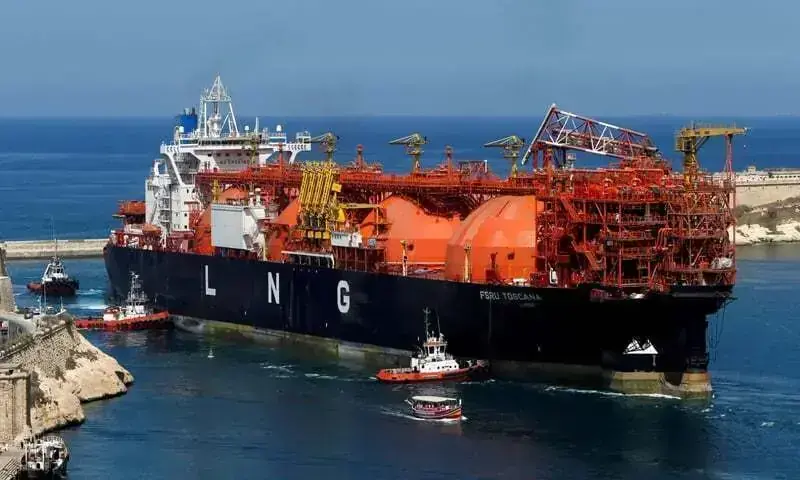

Pakistan has intensified discussions with Qatar to secure liquefied natural gas shipments as electricity shortages begin to rise. Officials confirmed that both sides are in advanced talks for at least four LNG cargoes. These supplies are expected to pass through the strategically important Strait of Hormuz if conditions allow.
The move comes as the country faces increasing pressure due to early power outages before the peak summer season. Authorities are now working urgently to stabilize energy supply and avoid further disruptions.
LNG Demand Rises as Power Shortfall Worsens
Pakistan’s Power Division has already requested the Petroleum Division to arrange around 400 million cubic feet per day of LNG. This fuel is critical for electricity generation across the country. Officials say demand will rise sharply as temperatures increase in the coming weeks.
The current energy gap has created concern among policymakers. Therefore, the government is taking immediate steps to secure fuel supplies. LNG remains a key component of the national energy mix. Without it, maintaining stable electricity production becomes difficult.
Earlier disruptions in LNG imports added to the crisis. Supplies were affected after tensions in the Middle East disrupted shipping routes. As a result, several cargoes were delayed or stranded near the Strait of Hormuz.
Supply Disruptions and Diplomatic Efforts
The الأزمة began when regional conflict led to the temporary closure of key maritime routes. In response, Qatar declared force majeure on several LNG contracts, including those with Pakistan. Consequently, fuel deliveries were halted at a critical time.
Reports suggest that many LNG cargoes remain stranded near processing stations and shipping routes. Pakistan has requested Qatar to allocate at least four of these cargoes. Technical teams from both countries are actively working to finalize arrangements.
Meanwhile, Shehbaz Sharif recently visited Qatar as part of broader diplomatic efforts. His visit aimed to ease regional tensions and secure energy cooperation. Officials believe these efforts may help ensure smoother supply in the coming days.
High Costs and Rising Electricity Demand
Energy experts warn that relying on alternative fuels could significantly increase costs. Power plants can switch to high-speed diesel or furnace oil. However, these options are much more expensive compared to LNG.
In fact, electricity generation using diesel can cost more than double the price of LNG-based power. This could increase the financial burden on consumers. Therefore, securing LNG cargoes remains the most cost-effective solution.
Electricity demand is also rising steadily. During peak summer, national demand can exceed 28,000 megawatts. Currently, demand ranges between 19,000 and 20,000 megawatts during peak hours. However, this gap is expected to widen soon.
Solar energy has helped reduce daytime demand. However, reliance on the grid increases after sunset. This creates additional pressure on power generation systems.
Officials stress that uninterrupted LNG supply is essential for grid stability. Without it, load management measures may increase. This could lead to longer power outages and higher electricity costs.
Overall, Pakistan is racing against time to secure fuel supplies. The outcome of talks with Qatar will play a crucial role in managing the country’s energy challenges.

