
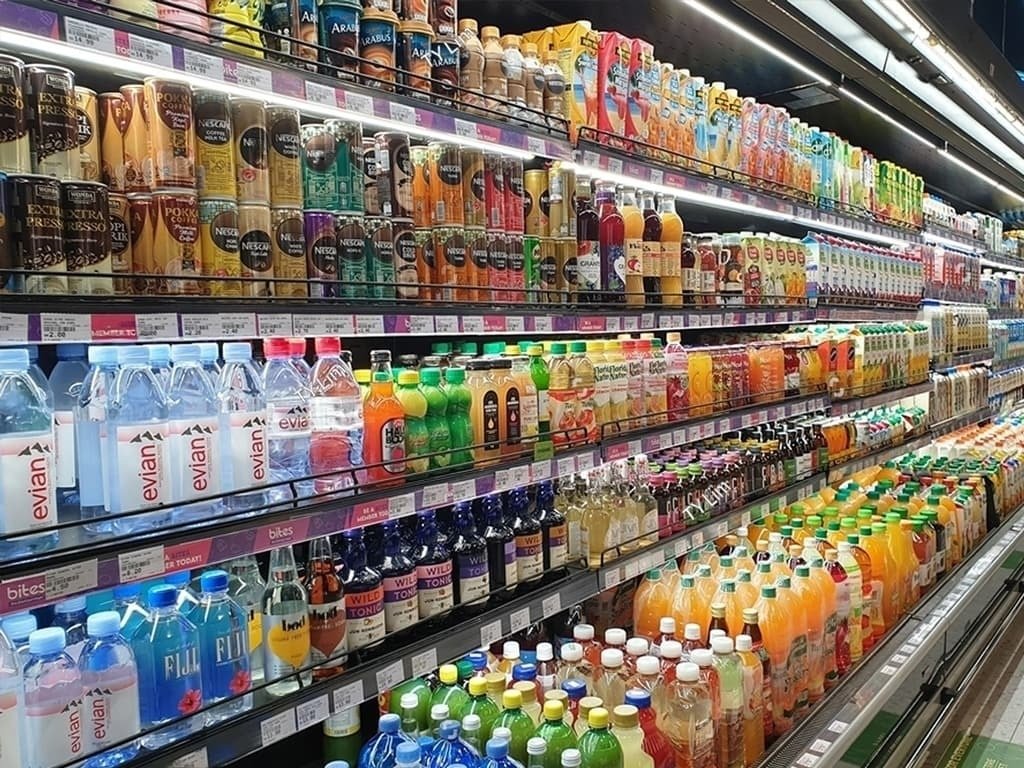

Pakistan has introduced a major revision in customs valuation for imported branded fruit juices and non-alcoholic beverages, a move that may lead to higher retail prices in the local market. The updated framework comes after more than 13 years, marking one of the most significant regulatory changes in the consumer beverage import sector.
The Directorate General of Customs Valuation Karachi has officially issued the new valuation ruling, replacing the long-standing Valuation Ruling No. 546/2013, which had been in place since April 2013. The decision reflects updated global pricing trends, changing import patterns, and shifts in market demand.
Authorities stated that the revised system aims to create a more accurate and transparent import valuation mechanism. The change is expected to directly impact customs duties, which could influence the final retail cost of imported beverages across Pakistan.
Outdated Pricing System Replaced After 13 Years
Customs officials confirmed that the previous valuation framework had become outdated due to significant changes in global trade dynamics over the past decade. Rising international prices and evolving consumer demand patterns made the old system less effective.
To address these challenges, the Customs Department launched a fresh evaluation process. The review included consultations with importers, industry stakeholders, and market experts.
Officials said importers argued that their declared transaction values already reflected real market conditions. They also requested that valuations be adjusted on a brand-specific basis, considering product quality, positioning, and global pricing benchmarks.
The new ruling was finalized after reviewing extensive import data and market information collected over the last 90 days. Authorities also examined documentary evidence submitted by importers during the consultation process.
Brand-Wise Evaluation and Market Data Analysis Introduced
As part of the updated system, customs authorities conducted a detailed brand-wise assessment of imported juices and beverages. The evaluation considered product quality, international market presence, and pricing trends across different regions.
Officials also analyzed online pricing data and conducted market surveys to ensure accuracy. Based on these findings, a supplier-specific database was developed using actual transaction values of imported goods.
This database will now serve as the foundation for customs valuation. Authorities believe this approach will reduce disputes between importers and customs officials while improving transparency in the valuation process.
The updated mechanism is designed to ensure that import assessments reflect real market conditions more accurately. It also aims to reduce under-invoicing and discrepancies in declared import values.
Officials said the revised framework was implemented under Section 25(7) of the Customs Act, 1969, which allows customs authorities to determine values based on market evidence and international pricing standards.
Possible Impact on Prices for Consumers
Although Customs has not confirmed whether duties will increase or decrease, changes in valuation typically affect the landed cost of imported goods. This may result in higher retail prices for imported juices and non-alcoholic beverages in Pakistan.
Market analysts suggest that importers may pass on additional costs to consumers if customs duties rise due to the new valuation framework. However, the final impact will depend on individual brand pricing strategies and market competition.
The update is particularly significant as it marks the first revision in over a decade for this category. Imported beverages have remained a stable consumer segment, but pricing pressures may now reshape demand patterns.
Industry observers believe the new system could also encourage more accurate reporting of import values, improving tax collection efficiency for the government.
Customs Aims for Transparency and Modernization
Officials stated that the primary goal of the revised valuation system is to align Pakistan’s import assessment framework with current international standards. The move is also part of broader efforts to modernize customs procedures and improve compliance.
Authorities emphasized that the updated structure will ensure fair, transparent, and legally compliant valuation of imported goods. They added that periodic reviews may now become a regular feature to avoid long gaps like the one seen since 2013.
The decision is expected to have a noticeable impact on Pakistan’s beverage import market in the coming months as businesses adjust to the new pricing structure.

