

Diplomatic efforts to end the Iran–United States conflict have entered a decisive stage, with Pakistan and several regional actors working on a proposed “standby agreement” framework. The initiative aims to formally close the current phase of hostilities while creating a structured path for long-term negotiations on unresolved disputes between Tehran and Washington.
The proposal is being viewed as a potential breakthrough mechanism to break the ongoing deadlock. It is designed to reduce immediate tensions while preventing the collapse of diplomatic engagement that has continued intermittently since the conflict escalated.
Pakistan Expands Diplomatic Role in Tehran Talks
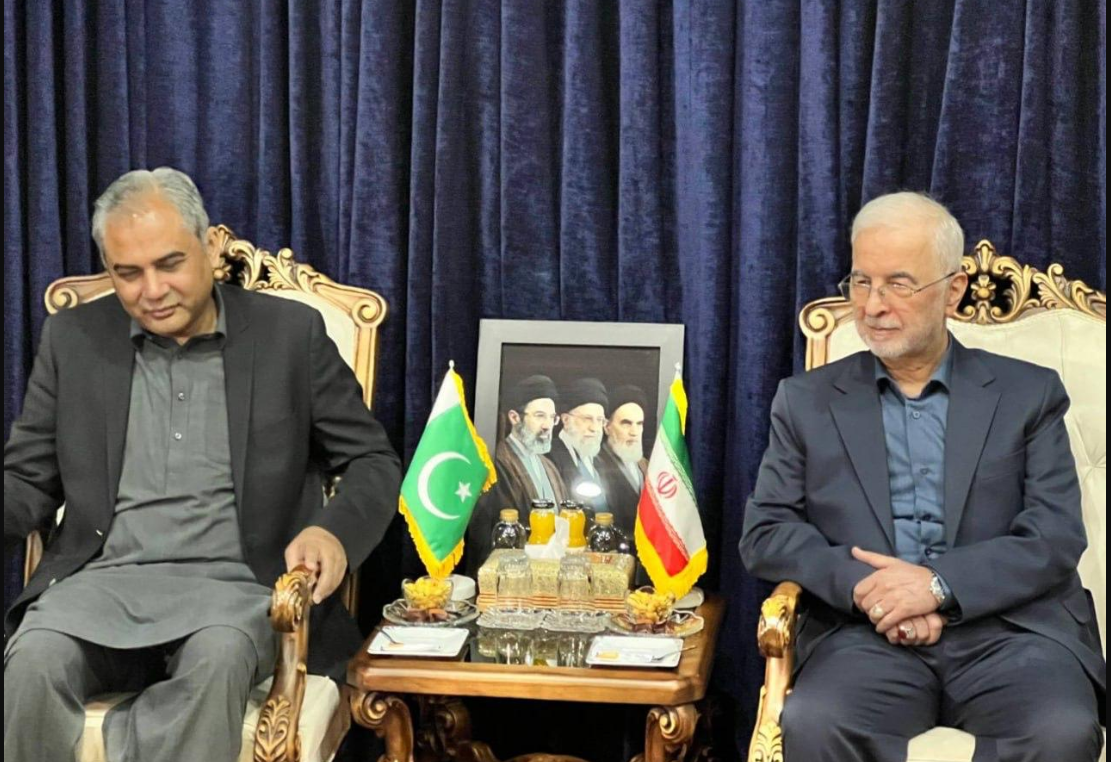
Field marshal has departed for Tehran to bolster peace deal efforts. Mohsin Naqvi has continued high-level engagements in Tehran during his second visit in a short span of time. He has held meetings with senior Iranian officials, including Foreign Minister Abbas Araghchi and Interior Minister Eskandar Momeni.
Iranian state media reported that Naqvi also met President Masoud Pezeshkian. During the meeting, regional developments and ongoing diplomatic discussions with the United States were reviewed in detail.
Iranian authorities reportedly appreciated Pakistan’s role in supporting regional stability and encouraging dialogue. Islamabad has positioned itself as a facilitator, working alongside other regional stakeholders to prevent further escalation.
Officials in Pakistan have not ruled out continued high-level engagement if current discussions show progress. However, no official confirmation has been given regarding any additional diplomatic visits by senior military leadership.
“Standby Agreement” Proposal Gains Attention in Diplomatic Circles
Diplomatic sources suggest that the new proposal differs from earlier failed attempts. It is described as a “standby arrangement” or “letter of intent” designed to provide a structured off-ramp for both sides.
The plan seeks to formally end active hostilities while allowing negotiations to continue under a broader framework. The objective is to avoid renewed escalation while addressing long-standing disagreements between Iran and the United States.
The proposal reflects growing international concern over prolonged instability. Observers say the lack of a formal closure has kept the region in a constant state of uncertainty.
The United States has reportedly shown interest in exploring flexible arrangements, although key differences remain unresolved.
Strait of Hormuz Remains Major Sticking Point
One of the most sensitive issues in the negotiations remains the status of the Strait of Hormuz. The strategic waterway is essential for global energy supplies, with nearly one-fifth of the world’s oil passing through it.
The United States, along with several Gulf countries, has called for the Strait to be restored to its pre-conflict operational status. They argue that uninterrupted maritime flow is critical for global economic stability.
Iran, however, maintains that it holds sovereign rights over the strategic chokepoint. Tehran insists that any arrangement must respect its territorial authority and security concerns.
This disagreement continues to be one of the biggest obstacles preventing a final agreement.
US Signals Conditional Optimism as Talks Continue
Marco Rubio has said that Pakistani officials are expected to travel to Tehran as part of ongoing diplomatic efforts. He described the situation as cautiously optimistic but emphasized that outcomes remain uncertain.
US officials have indicated that President Donald Trump prefers a negotiated settlement. However, they have also warned that alternative options remain on the table if diplomacy fails.
Despite mixed signals, diplomatic observers note that the current proposal has generated renewed momentum. It is seen as an attempt to stabilize the situation before it escalates further.
Regional Stability Hinges on Diplomatic Breakthrough
Analysts believe the proposed standby agreement could help prevent renewed conflict by creating breathing space for negotiations. Without a structured settlement, the risk of further escalation remains high.
Pakistan and other regional actors are intensifying efforts to ensure that the initiative does not collapse. Their goal is to maintain diplomatic momentum and avoid a return to open confrontation.
The coming days are expected to be critical as stakeholders assess whether the proposal can move from concept to actionable agreement.

