
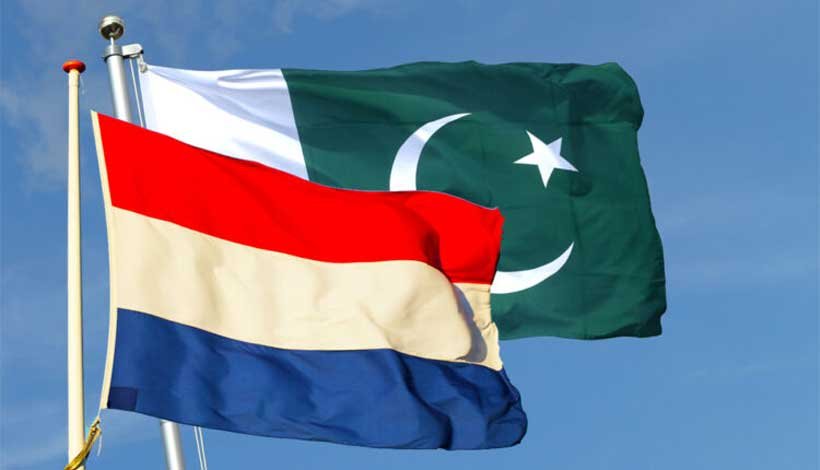

Pakistan and the Netherlands aim to expand bilateral trade from $1.9 billion to $5 billion. Officials highlighted stronger partnerships and investment opportunities during a meeting at the Lahore Chamber of Commerce and Industry (LCCI).
Dutch Chargé d’Affaires Hajo Provo Kluit visited the chamber and stressed its growing importance. He described the LCCI as a vital partner for boosting trade and investment ties. Moreover, the chamber represents more than 48,000 businesses across multiple economic sectors.
Acting LCCI President Tanveer Ahmed Sheikh shared the latest trade figures. He said bilateral trade reached nearly $1.9 billion during the 2025-26 fiscal year. Pakistan exported goods worth $1.44 billion while importing $505 million from the Netherlands. Consequently, he expressed confidence that stronger cooperation could raise trade to $5 billion.
Pakistan Highlights Expanding Export Opportunities
Sheikh said Pakistan exports home textiles, hosiery, woven fabrics and rice to the Netherlands. Meanwhile, the country imports petroleum products, malt extracts, iron and steel scrap, medical equipment and dairy products.
He also highlighted Pakistan’s export potential in value-added garments, knitwear, leather products, sports goods and surgical instruments. Furthermore, processed food, halal meat, software and IT services offer promising opportunities for Dutch buyers.
Dutch Envoy Encourages Stronger Business Partnerships
Sheikh invited Dutch investors to explore Pakistan’s Special Economic Zones and Export Processing Zones. He added that industrial estates, skilled workers and stable macroeconomic indicators strengthen investor confidence. Additionally, improving exchange rate stability supports long-term business planning.
Provo Kluit said many successful Dutch companies in Pakistan started as family-owned small and medium-sized enterprises. Therefore, he encouraged partnerships between reliable Pakistani and Dutch businesses. He added that stronger commercial connections would create fresh investment opportunities, expand joint ventures and strengthen long-term economic cooperation between both countries.

