
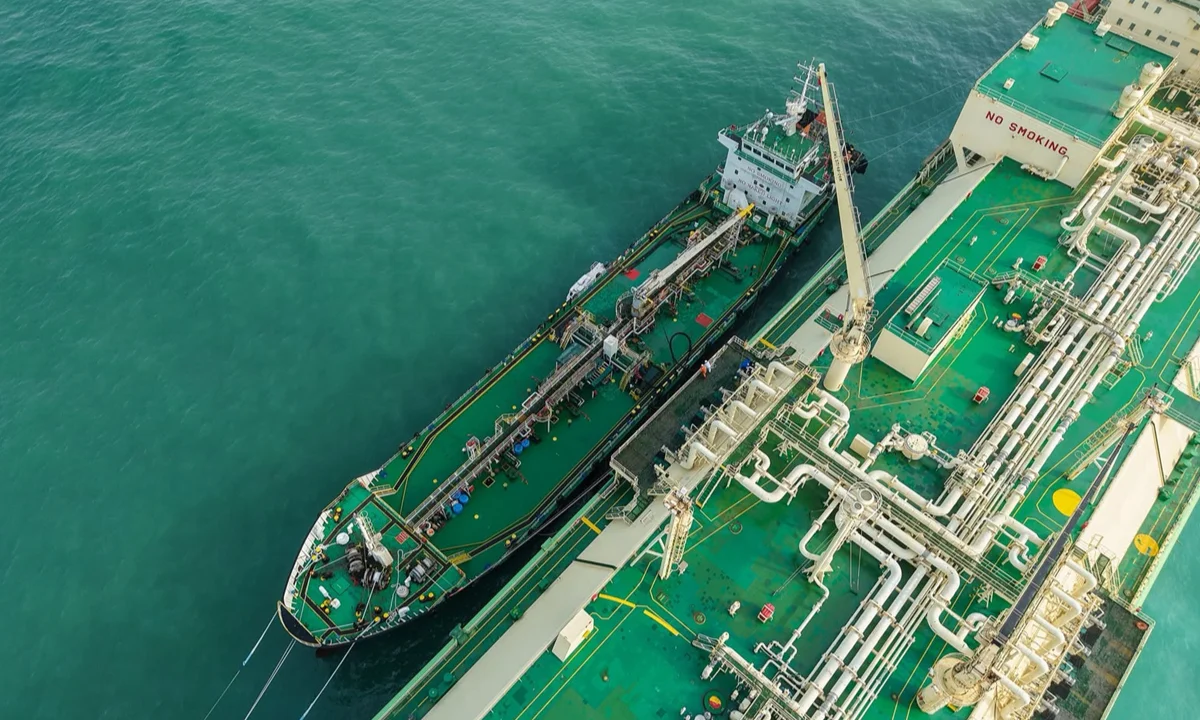

Pakistan has successfully completed its first marine bunkering operation at Gwadar Port, marking a major milestone for the country’s maritime sector. The development extends internationally compliant fuel supply services to all three of Pakistan’s major seaports.
Gwadar Completes National Bunkering Network
During the operation, the foreign LNG vessel LNG ENUGU received 2,500 metric tons of Very Low Sulfur Fuel Oil (VLSFO). Cnergyico PK Limited supplied the fuel in accordance with International Maritime Organization (IMO) standards.
The global energy company Vitol conducted the bunkering operation through its bunker barge Marine Ista. Meanwhile, the National Logistics Corporation (NLC) supported the operation in collaboration with the company.
With Gwadar joining the network, Pakistan now provides marine bunkering services at Karachi Port, Port Qasim, and Gwadar Port. Consequently, international vessels can access standardized fuel supplies across all three major seaports.
Officials said the operations follow the Pakistan Single Window framework and electronic customs marine bunkering regulations. Therefore, the system offers a standardized and internationally certified fuel supply process for commercial shipping.
Move Boosts Pakistan’s Maritime Role
According to officials, the initiative strengthens Pakistan’s position as a regional marine fuel supplier. It also enhances the country’s maritime logistics and energy capabilities.
Furthermore, the new service reduces reliance on established regional bunkering hubs such as Fujairah and Singapore. Officials believe the expansion will improve Pakistan’s competitiveness in international shipping.
The operation also marked the first time an ocean-going commercial vessel received bunkering services at Gwadar Port. As a result, the port has taken another step toward becoming a key regional maritime hub.
Authorities expect the development to support growing commercial activity while attracting more international vessels to Pakistan’s coastline. The expansion also reflects ongoing efforts to strengthen the country’s maritime infrastructure and trade potential.

