

Nine deals focus on vaccine production, biotechnology and medicine manufacturing
ISLAMABAD: Pakistani and Chinese private sector companies signed nine pharmaceutical agreements worth $440 million during the Pak-China Pharmaceutical B2B Conference in Islamabad, aiming to expand cooperation in vaccine production, biotechnology, medicine manufacturing and healthcare development.
The agreements cover joint initiatives in local vaccine production, immunisation, biotechnology, pharmaceutical technology and hepatitis prevention. The partnerships are expected to strengthen Pakistan’s pharmaceutical industry, increase local production and reduce reliance on imported medicines and raw materials.
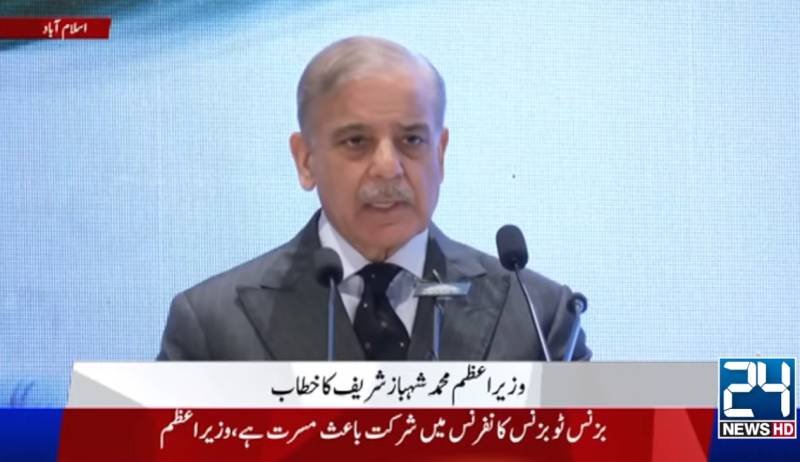
Addressing the conference, Prime Minister Shehbaz Sharif welcomed the agreements and described China as Pakistan’s closest and most dependable partner. He said the China-Pakistan Economic Corridor (CPEC) continues to serve as a bridge for economic cooperation and shared development between the two countries.
Government seeks stronger industrial collaboration
The prime minister encouraged greater Chinese investment in Pakistan’s pharmaceutical sector, saying the country aims to benefit from China’s technological expertise, manufacturing capacity and investment. He added that stronger business-to-business partnerships could expand pharmaceutical exports, improve domestic production and make medicines more affordable for the public.
Sharif also said his recent visit to China had strengthened bilateral cooperation. Additionally, he stated that Pakistan had played a mediating role during recent regional tensions involving Iran and the United States, contributing to diplomatic efforts that led to an understanding between the two sides.
Chinese envoy highlights investment potential
Chinese Ambassador Jiang Zaidong said the new agreements are expected to generate more than 20,000 employment opportunities. He added that Pakistan’s growing demand for healthcare services creates significant opportunities for collaboration between Chinese and Pakistani pharmaceutical companies.
The ambassador also said Pakistan continues to make steady economic and industrial progress and expressed confidence that expanding cooperation would deliver long-term benefits for both countries.
Officials from both sides said the agreements mark another step in strengthening bilateral economic ties and advancing collaboration in healthcare, pharmaceutical manufacturing and technology, while supporting improved access to medicines and sustainable industrial growth.

