
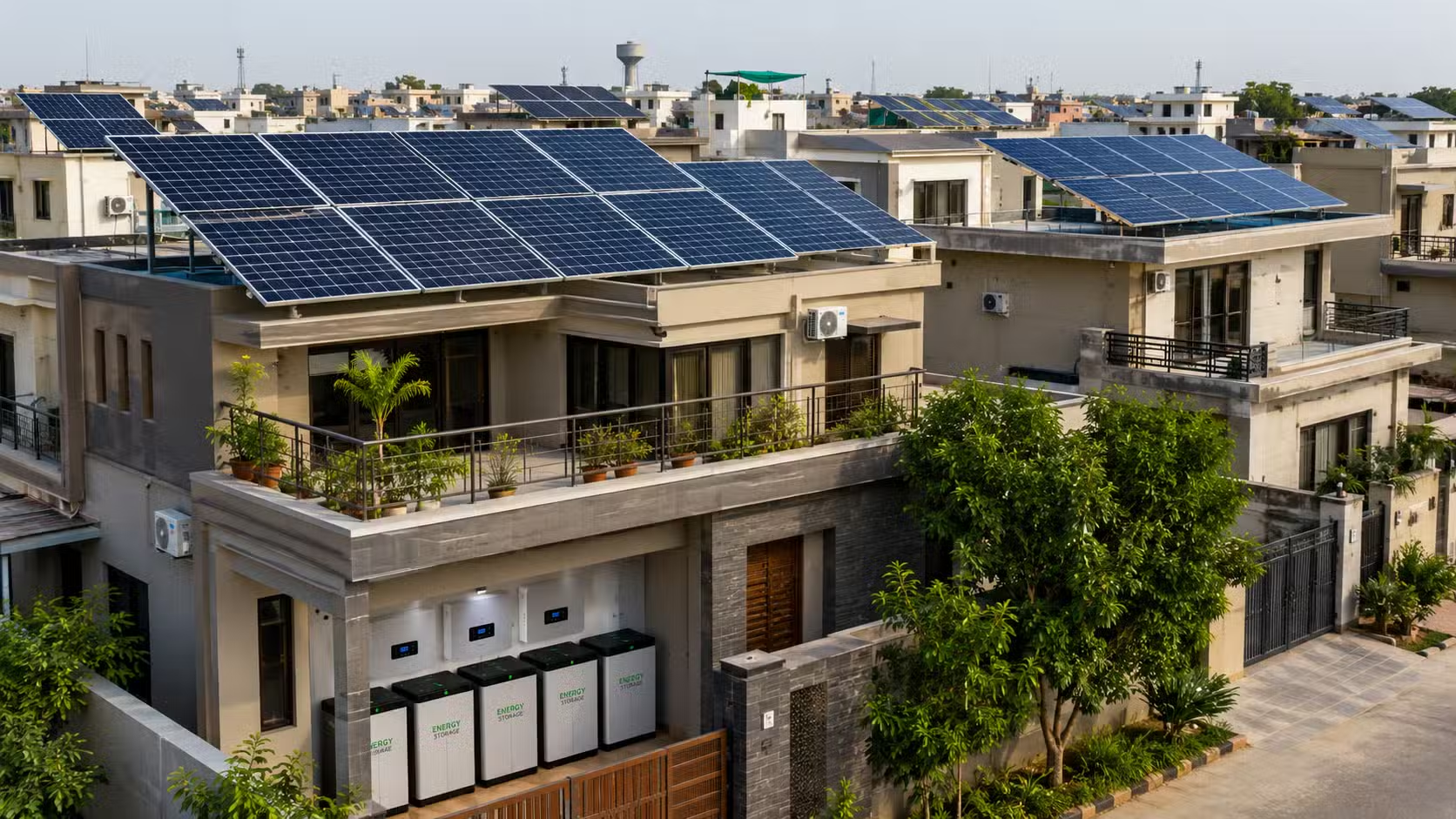

ISLAMABAD: Pakistan’s rapid adoption of solar energy is creating fresh challenges for its struggling power sector, as cheaper distributed generation reduces grid demand and threatens the financial viability of Chinese-backed coal plants.
Solar panels have spread across rooftops at Port Qasim’s industrial zone near Karachi, where around 400 companies operate alongside a coal-fired power plant developed under China’s Belt and Road Initiative.
Overdue payments to Chinese IPPs have surged to around $1.5 billion in August 2026 amid rapidly booming solar power in Pakistan.
Zaheer Allana, who owns a packaging factory, said solar panels now generate nearly one-fifth of his facility’s electricity. He said solar power costs less than one-third of grid electricity, producing significant savings for his business. According to energy think tank Ember, solar accounted for around 20% of Pakistan’s electricity generation in 2025, compared with approximately 3% at the beginning of the decade.
High electricity prices, unreliable grid supplies and inexpensive Chinese solar equipment have accelerated the transition. Pakistan became China’s third-largest solar export market last year. Battery imports from China also surged nearly 150% during the first half of the year to about $392 million.
However, the growing shift away from the grid is placing additional financial pressure on electricity distributors and power producers. NEPRA data showed electricity consumption across distribution companies was nearly 12% lower in the 12 months to July 2025 than three years earlier.
The impact is particularly significant for Chinese-backed coal projects. Overdue payments to Chinese power plants exceeded $1.5 billion by August, while debt linked to China-financed coal assets stood at $3.1 billion last year.
At the Port Qasim coal plant, outstanding payments reportedly approached $300 million in June. Energy Minister Awais Leghari said Pakistan is seeking longer repayment periods rather than debt reductions. Potential solutions include refinancing and repurposing underused plants, although major concessions from Chinese lenders remain uncertain.
For the latest updates, visit and follow The Truth International website (www.thetruthinternational.com) and subscribe/follow the TTI YouTube Channel, Instagram, and Facebook

