
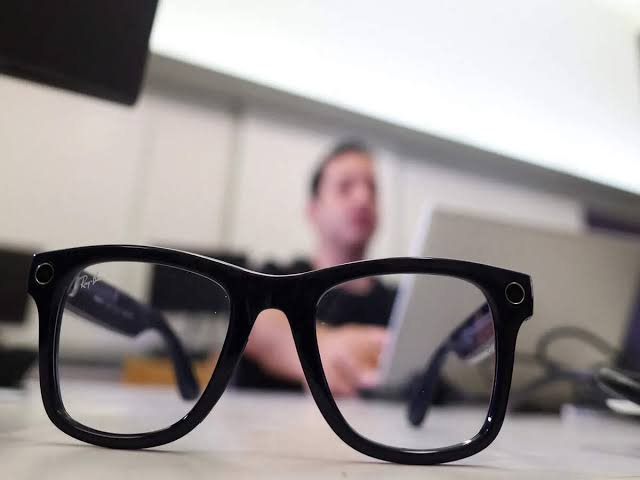

Oslo has banned smart glasses in schools across the Norwegian capital, citing concerns over privacy, surveillance and student data collection.
The restriction applies throughout the entire school day and covers all levels of education in the city.
Municipal authorities said the decision is aimed at protecting children from being recorded without their knowledge.
Oslo officials also raised concerns about how technology companies may collect and use data generated through wearable devices.
The ban took effect on August 27, although the official announcement was delayed until Thursday.
Authorities said the announcement was postponed because of a political truce following the death of King Harald V on August 28.
Oslo Raises Concerns Over Hidden Recording
Oslo Vice Mayor for Education Julie Remen Midtgarden strongly defended the decision.
She said smart glasses create serious privacy concerns because people may not always know when they are being photographed or filmed.
Midtgarden argued that political leaders must respond quickly to technologies that can make discreet recording easier.
She also criticized the business model behind some smart glasses.
According to her, children should not become part of large-scale data collection by technology companies.
The Oslo municipality said the restriction is intended to provide clearer privacy protection for students, teachers and school staff.
Smart glasses can resemble ordinary eyewear, making it difficult for others to determine whether a camera is active.
That has raised concerns about unauthorized recording inside classrooms, school corridors and playgrounds.
Smart Glasses Offer Cameras, AI and Digital Tools
Modern smart glasses can perform several functions beyond basic eyewear.
Depending on the device, users can take photographs, record videos, listen to music and make phone calls.
Some models can also translate foreign-language signs and display navigation information.
Other devices can project text or maps into the user’s field of vision.
Many smart glasses are also being developed with artificial intelligence assistants.
These AI systems can respond to voice commands, identify objects and provide real-time information.
Meta has also reportedly developed facial recognition technology that could potentially be integrated into its smart glasses.
The possibility of facial recognition has increased concerns about privacy and consent in public spaces.
School authorities fear such technology could make it easier to identify, record or track individuals without their clear permission.
Oslo Urges Faster National Regulation
Midtgarden also criticized Norway’s national government for moving too slowly on the issue.
The government has established an expert group to consider possible regulation of smart glasses and facial recognition technology.
However, Oslo officials argue that the devices are already available and are being used in schools.
Midtgarden said studying the problem should not replace immediate action where privacy risks already exist.
Oslo has therefore chosen to introduce its own restrictions while broader national rules are still being considered.
The decision places the Norwegian capital among cities taking a more cautious approach toward wearable artificial intelligence and recording technology in education.
Authorities say the main objective is to protect students while clear national standards for privacy, surveillance and facial recognition are developed.

