
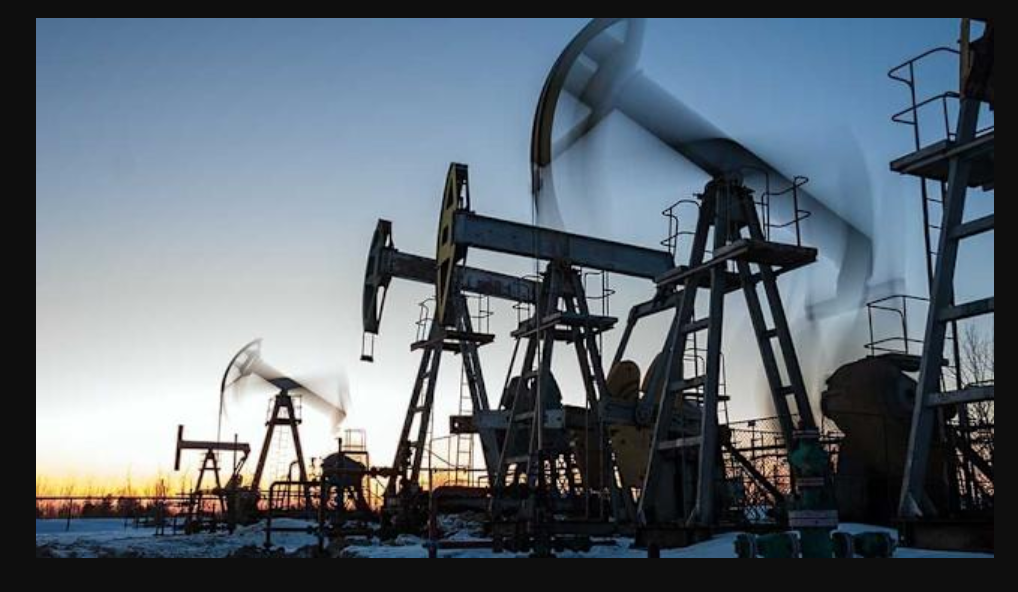

OPEC+ has approved its fourth consecutive oil production quota increase, even as disruptions linked to the Strait of Hormuz continue to impact global energy markets.
The latest decision highlights the group’s efforts to gradually restore previously reduced production levels. However, ongoing regional tensions continue to limit actual oil exports from several major producers.
OPEC+ Approves Another Production Increase
Seven key OPEC+ members agreed to raise their combined oil production targets by 188,000 barrels per day from July.
The increase matches the adjustment approved for June. Previously, the group had implemented larger monthly increases of 206,000 barrels per day in April and May.
The latest move forms part of a broader strategy to unwind production cuts introduced in 2023.
Despite higher quotas, actual production remains well below previous levels because several Gulf producers continue facing export constraints.
Hormuz Crisis Continues to Disrupt Supply
The ongoing conflict involving Iran and the United States has significantly affected oil flows through the Strait of Hormuz.
As a result, several major oil exporters have struggled to deliver supplies at normal levels since late February.
The situation has created major challenges for global energy markets. Furthermore, it has intensified concerns about supply stability across key importing regions.
Although OPEC+ members are raising production targets, transportation bottlenecks continue to limit actual exports.
Consequently, the practical impact of higher quotas remains uncertain.
Production Remains Far Below Previous Levels
Official figures show a substantial decline in output among key producers.
Combined production averaged 33.19 million barrels per day in April. In comparison, production stood at 42.77 million barrels per day in February.
Therefore, the gap between production targets and actual exports remains significant.
Energy analysts note that increasing quotas alone cannot resolve supply challenges while shipping routes remain disrupted.
One market analyst observed, “An Opec+ production increase means very little while the Strait of Hormuz remains closed.”
The analyst further warned, “When the Strait of Hormuz reopens, the market could move very quickly from fear of shortage to fear of surplus.”
UAE Exit Adds Another Challenge
The crisis has also been complicated by the departure of the United Arab Emirates from OPEC after nearly six decades of membership.
The UAE’s exit prompted adjustments to the group’s planned production increases.
As a result, June and July quota hikes were recalculated to reflect the new structure of participating producers.
The change marks one of the most significant developments within the organization in recent years.
Oil Prices React to Market Sentiment
Oil prices have remained highly sensitive to developments in the region.
On Friday, prices eased to around $93 per barrel as traders became more optimistic about the possibility of reduced tensions.
Before the conflict began, oil traded near $72 per barrel.
However, uncertainty surrounding future supply conditions continues to influence market behavior.
Investors remain focused on developments involving the Strait of Hormuz because it serves as one of the world’s most important energy corridors.
OPEC+ Nears Completion of 2023 Output Cut Reversal
The production increases are part of a gradual reversal of a 1.65 million barrel-per-day reduction agreed in 2023.
After the July adjustment, participating countries will have restored most of the previously removed supply.
Current calculations suggest only about 567,000 barrels per day remain to be returned to the market.
If monthly increases continue at a similar pace, the unwinding process could conclude by the end of September.
Key Countries Supporting the Increase
The countries involved in the latest production decision include Saudi Arabia, Iraq, Kuwait, Algeria, Kazakhstan, Russia, and Oman.
These producers have played a central role in shaping OPEC+ output policy in recent years.
Meanwhile, ministers representing the wider OPEC+ alliance held a separate meeting and decided to maintain the broader production framework through the end of 2026.
The group also reaffirmed the importance of completing an ongoing review of member production capacities.
The assessment will help determine future production baselines and quota allocations beginning in 2027.
What the Decision Means for Global Markets
The latest OPEC+ decision reflects an effort to balance supply management with evolving market conditions.
However, production targets alone cannot guarantee higher exports while regional disruptions persist.
For now, global energy markets remain closely tied to developments in the Strait of Hormuz.
As long as uncertainty continues, oil prices are likely to remain sensitive to both geopolitical events and production decisions.
The coming months will determine whether increased quotas translate into greater supply or remain largely symbolic amid ongoing regional challenges.

