

Protests, security restrictions and boycott calls dominate pre-election atmosphere
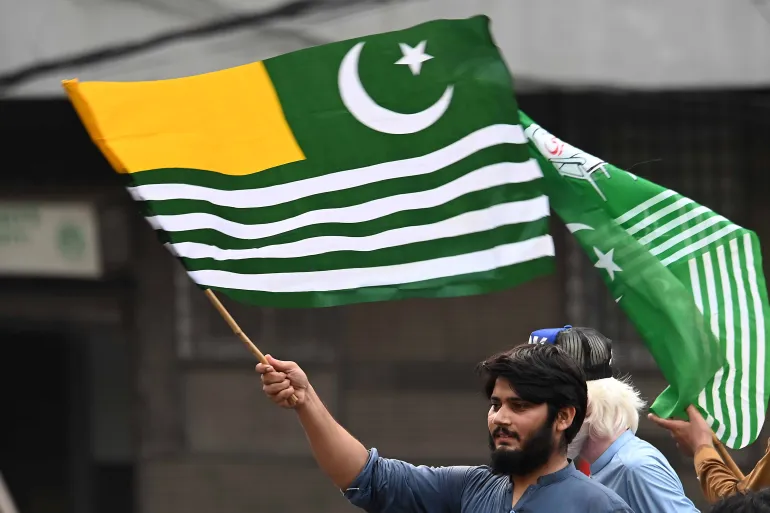
ISLAMABAD: Pakistan-administered Kashmir is heading into legislative elections amid prolonged unrest, heightened security measures and a growing constitutional dispute over the region’s electoral framework.
Since early June, clashes between protesters and security forces have reportedly left dozens dead, while sit-ins, road blockades and communication restrictions have disrupted daily life across several districts. Authorities also banned the Jammu Kashmir Joint Awami Action Committee (JAAC) ahead of planned demonstrations, prompting arrests of some leaders while others continued organising protests.
The 45-seat Legislative Assembly election has been split into three phases. Voting in Mirpur division is scheduled first, followed by Muzaffarabad division and the 12 refugee constituencies, while polling in Poonch division has been delayed because of the security situation. JAAC has urged its supporters to boycott the election.
Refugee seats remain central point of disagreement
At the centre of the dispute are 12 assembly seats reserved for refugees from Indian-administered Kashmir living in different parts of Pakistan.
JAAC argues the seats should be abolished, saying only residents of Pakistan-administered Kashmir should elect the regional legislature. However, government officials and constitutional experts maintain the seats have both historical and constitutional foundations and can only be removed through a formal constitutional amendment.
The Pakistan-administered Kashmir Supreme Court recently ruled that the issue cannot be resolved through executive action or public pressure.
Political debate continues ahead of vote
Government officials have defended the existing arrangement, arguing that refugee representation reflects the historical status of the wider Jammu and Kashmir dispute. They have also urged opponents to pursue constitutional reforms through the electoral process rather than street protests.
Meanwhile, some analysts interviewed by Al Jazeera argued that the controversy reflects broader questions about governance, political authority and autonomy in Pakistan-administered Kashmir.
The region’s elections are expected to proceed under tight security, with authorities seeking to restore stability while political groups continue debating constitutional reforms, representation and the future structure of the legislative assembly. The competing legal and political interpretations remain unresolved as voters prepare to cast their ballots.

