
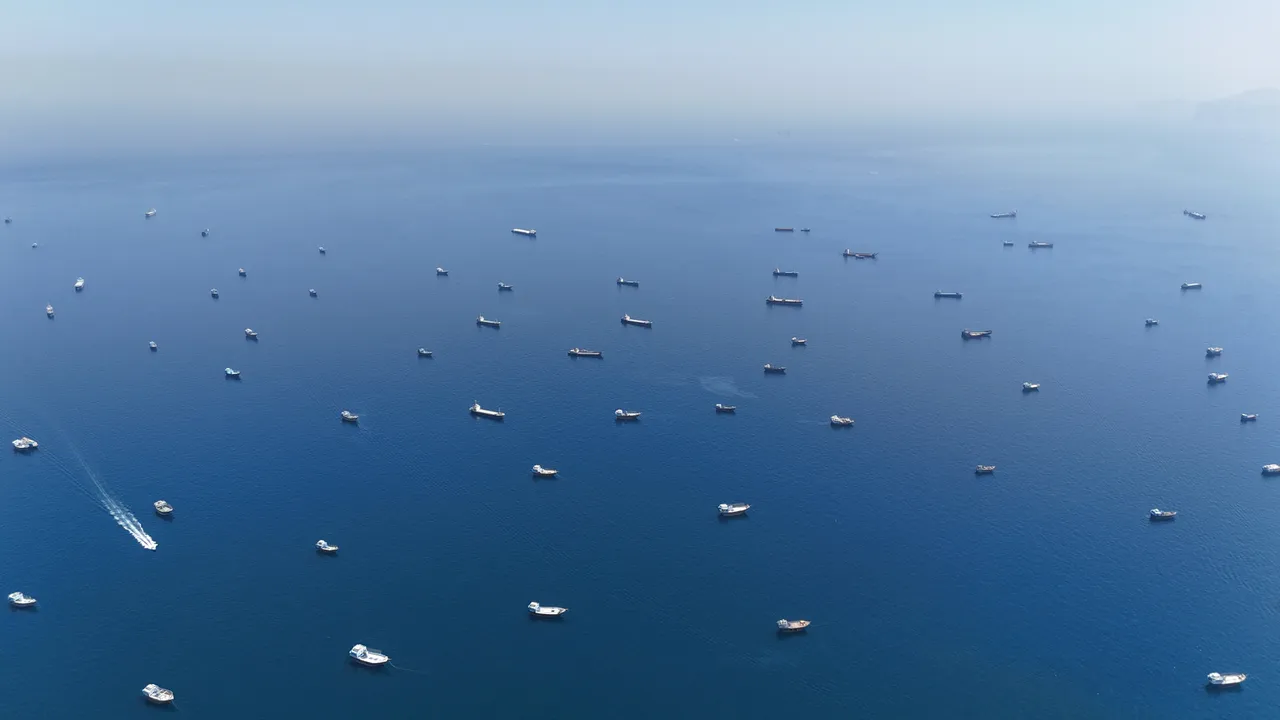

Oman has announced the opening of a temporary maritime corridor through the Strait of Hormuz, creating an alternative transit route for global shipping during ongoing regional consultations over future navigation arrangements.
The move comes as Muscat continues diplomatic engagement with Iran while maintaining its commitment to freedom of navigation and uninterrupted maritime movement through one of the world’s most strategically important waterways.
According to the announcement, the corridor will remain accessible to vessels operating under internationally coordinated procedures and established maritime guidelines.
Oman Introduces Temporary Shipping Corridor in Strait of Hormuz
The Sultanate of Oman said the temporary maritime corridor has been introduced as part of its responsibility toward preserving safe movement through the Strait of Hormuz.
Authorities stated that the initiative reflects Oman’s commitment to international law and the principles governing maritime navigation.
Additionally, officials emphasized that access to the route will remain available without imposing transit fees.
The temporary arrangement was developed in coordination with the International Maritime Organization and aligns with broader regional efforts aimed at maintaining navigation stability.
According to the announcement:
“Based on the Sultanate of Oman’s responsibility toward the Strait of Hormuz and its importance to the global economy, and in accordance with its firm commitment to international law and the law of the sea, ensuring freedom of navigation in the strait without imposing transit fees, Oman has worked in coordination with the International Maritime Organization to provide the option of using a temporary maritime corridor for all vessels.”
Authorities further explained that ships intending to use the route must follow coordinates issued through official maritime channels and coordinate accordingly.
Navigation Talks Continue Between Oman and Iran
The announcement comes as Oman and Iran continue discussions regarding the future management of navigation within the strategic waterway.
Both sides have agreed to establish a joint working group to examine future operational arrangements and maritime services connected to the corridor.
The consultations are also expected to address cost structures and coordination mechanisms while involving other Gulf coastal states.
Officials indicated that all discussions would proceed in accordance with international legal principles and the sovereign rights of states bordering the waterway.
Islamabad Memorandum and Regional Maritime Commitments
The latest development follows commitments outlined under Clause 5 of the Islamabad Memorandum of Understanding.
Under the framework, Iran agreed to engage with Oman regarding future administration mechanisms for the Strait of Hormuz.
The memorandum also included a commitment from Iran to make maximum efforts to maintain safe and toll-free commercial transit between the Gulf and the Gulf of Oman for a period of 60 days.
Commercial shipping operations were expected to resume immediately under those understandings.
Strategic Importance of the Strait of Hormuz
The Strait of Hormuz remains one of the most critical maritime routes for international trade and energy transportation.
As a result, developments affecting navigation through the waterway continue to draw global attention.
Oman’s temporary corridor seeks to maintain continuity while longer-term discussions continue between regional stakeholders.
Meanwhile, the broader diplomatic process remains focused on reducing disruptions and creating predictable maritime conditions.
The maritime arrangement represents another step in ongoing efforts to support navigation stability while discussions continue over future management of one of the world’s most strategically important sea passages.

