

Global oil prices climbed more than 1.5% on Thursday as rising tensions in the Middle East increased concerns over energy supplies. The latest increase came after the United States launched fresh strikes on Iran, while Yemen’s Houthi group targeted oil vessels in the Red Sea.
Brent crude and US West Texas Intermediate (WTI) prices both recorded gains. Investors reacted to growing fears that military actions could disrupt key shipping routes and affect global oil markets.
Brent and WTI Prices Surge
Brent crude futures increased by $1.93, or 2%, reaching $96 per barrel. This marked the highest level since June 8.
The benchmark had already gained more than $3 during the previous session. It closed at $94.07 per barrel, narrowly missing a six-week record.
Meanwhile, US WTI crude rose by $1.44, or 1.7%, to $88.27 per barrel. The price had gained nearly 3% on Wednesday as market concerns intensified.
Middle East Conflict Raises Supply Concerns
The US military confirmed another round of attacks on Iran, marking the 12th consecutive night of strikes. The move followed US President Donald Trump’s warning of further action against Iranian infrastructure if attacks continue near the Strait of Hormuz.
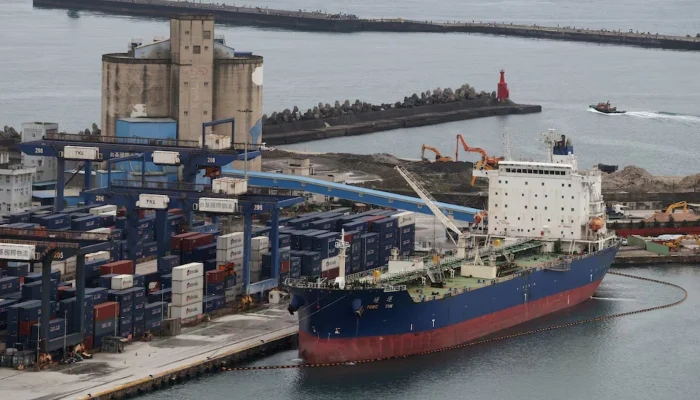
Iran’s Revolutionary Guards reported that an oil tanker caught fire after an explosion while travelling near the strategic waterway. They claimed the vessel was moving through an area affected by mines.
The group also said two other tankers changed their routes. Additionally, Iran warned that the Strait of Hormuz remained under its control amid continued US military operations.
The Strait of Hormuz plays a crucial role in global energy trade. Any disruption in the region could affect oil supplies and increase market uncertainty.
Houthi Actions Add Pressure on Oil Markets
Meanwhile, Yemen’s Iran-aligned Houthis increased pressure on shipping routes by threatening vessels carrying Saudi oil in the Bab el-Mandeb Strait.
The group announced a naval blockade against Saudi Arabia and claimed it had targeted two Saudi oil tankers. Maritime security reports also stated that one tanker, the Saudi-flagged Encelia, suffered damage in the Red Sea.
The Houthis further claimed that they forced several ships to turn back after warning vessels against travelling to Saudi ports. However, these claims could not be independently verified.
Analysts warned that continued disruptions in major shipping routes could create wider challenges for global energy markets.
US Oil Stocks Show Unexpected Increase
Despite geopolitical concerns, US crude inventories increased last week. The Energy Information Administration reported a rise of 2 million barrels.
The increase came as refinery activity slowed, crude exports declined, and imports increased. Earlier estimates from analysts had predicted a 1.1 million-barrel decline.
However, market attention remains focused on developments in the Middle East. Traders continue to monitor military actions and shipping disruptions that could influence future oil prices.

