

Pakistan is exploring new financing options to reduce borrowing costs and ease pressure from upcoming debt repayments. The government plans to diversify its funding sources, extend debt maturities and reduce risks linked to refinancing short-term obligations.
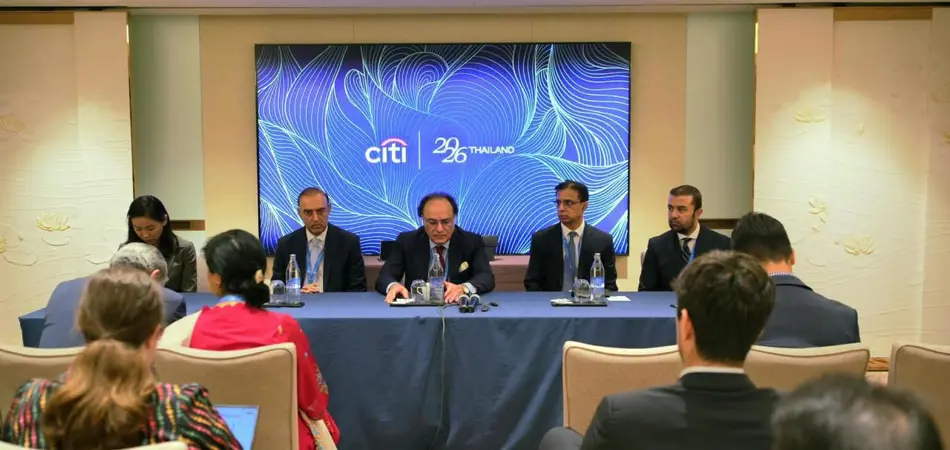
Finance Minister Muhammad Aurangzeb outlined the strategy while briefing investors at Standard Chartered Bank’s Sovereign Investor Roundtable in Bangkok. The meeting took place alongside the World Bank Group–IMF Annual Meetings 2026.
Government Explores Sukuk and Panda Bonds
Pakistan is considering several instruments, including Sukuk, Panda bonds and a proposed rupee-denominated bond settled in US dollars. These options could help the country reach new investors and manage its repayment schedule more effectively.
Sukuk are Islamic financial instruments, while Panda bonds allow foreign borrowers to raise funds in China’s domestic market. The proposed rupee-denominated, dollar-settled bond could offer another route to international financing.
The government aims to reduce its dependence on short-term borrowing. Longer maturities could also lower the frequency of repayments and ease pressure on foreign exchange reserves.
Aurangzeb Highlights Economic Progress
During the investor briefing, Aurangzeb cited three consecutive years of primary budget surpluses. He also highlighted a fiscal deficit at a 22-year low and recent sovereign credit rating upgrades.
However, the government must sustain these gains through continued reforms and stronger fiscal management. Aurangzeb stressed tax enforcement, fiscal discipline and investment-led growth beyond Pakistan’s current IMF programme.
Officials also discussed foreign exchange reserves, inflation, the external economic outlook and energy security. Climate financing and targeted relief measures featured in the discussions as well.
Reforms Remain Central to Debt Management
Pakistan wants to strengthen investor confidence while improving its overall debt profile. The government also aims to expand exports and attract investment to support sustainable economic growth.
Diversifying financing sources could help reduce refinancing risks. However, the results will depend on borrowing costs, investor demand and the terms of each instrument.
The government has reiterated its commitment to structural reforms and stronger sovereign credit standing. These efforts will remain important as Pakistan manages repayment obligations and seeks more sustainable financing options.
For the latest updates, visit and follow The Truth International website (www.thetruthinternational.com) and subscribe to the YouTube Channel.

