
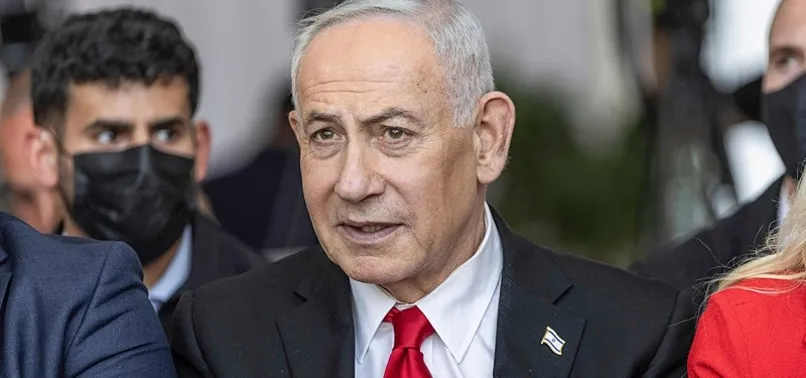

Israeli Prime Minister Benjamin Netanyahu denied reports that the United States restricted Israeli military operations in Lebanon. He said Israel continued making security decisions independently.
Speaking during a weekly Cabinet meeting on Sunday, Netanyahu dismissed media reports linking US President Donald Trump to operational decisions. He described the claims as “fake news” and rejected suggestions that Trump had requested restraint.
Netanyahu Rejects Reports Over Lebanon Operations
Netanyahu said Trump never asked Israel to avoid targeting alleged Hezbollah tunnels in southern Lebanon. Furthermore, he insisted that Israel acts according to its own security considerations.
His comments contradicted an earlier report by Israel’s public broadcaster KAN. The report claimed Israel shared intelligence on alleged Hezbollah tunnels to secure US approval for military operations.
Meanwhile, Netanyahu also addressed the situation in Gaza. He stated that reconstruction would not begin before the territory was disarmed and demilitarised.
However, his position differs from Trump’s reported peace framework. Under that proposal, reconstruction and military withdrawal would begin alongside the disarmament process.
Reports also suggested Trump’s Board of Peace planned reconstruction in Israeli-controlled areas without linking it to Hamas’ disarmament. Nevertheless, Netanyahu maintained Israel’s conditions for rebuilding Gaza.
Iran Says Peace With US Remains Elusive
Meanwhile, Iranian Parliament Speaker Mohammad Bagher Ghalibaf said Tehran remained at odds with the United States despite a recently signed memorandum of understanding. However, he described implementing the agreement as difficult but possible.
Ghalibaf said Iran would not recognise Israel and remained committed to supporting regional allies. Moreover, he stressed that diplomacy should strengthen military achievements rather than replace them.
He added that Tehran suspended negotiations with Washington before signing the Pakistan-brokered memorandum. According to Ghalibaf, Iran demanded protections for regional sovereignty and an end to attacks against allied groups.
Despite ongoing challenges, Ghalibaf said implementing the memorandum remained possible. He also argued that Muslim countries increasingly believed cooperation with the United States and Israel could not guarantee regional security.

