
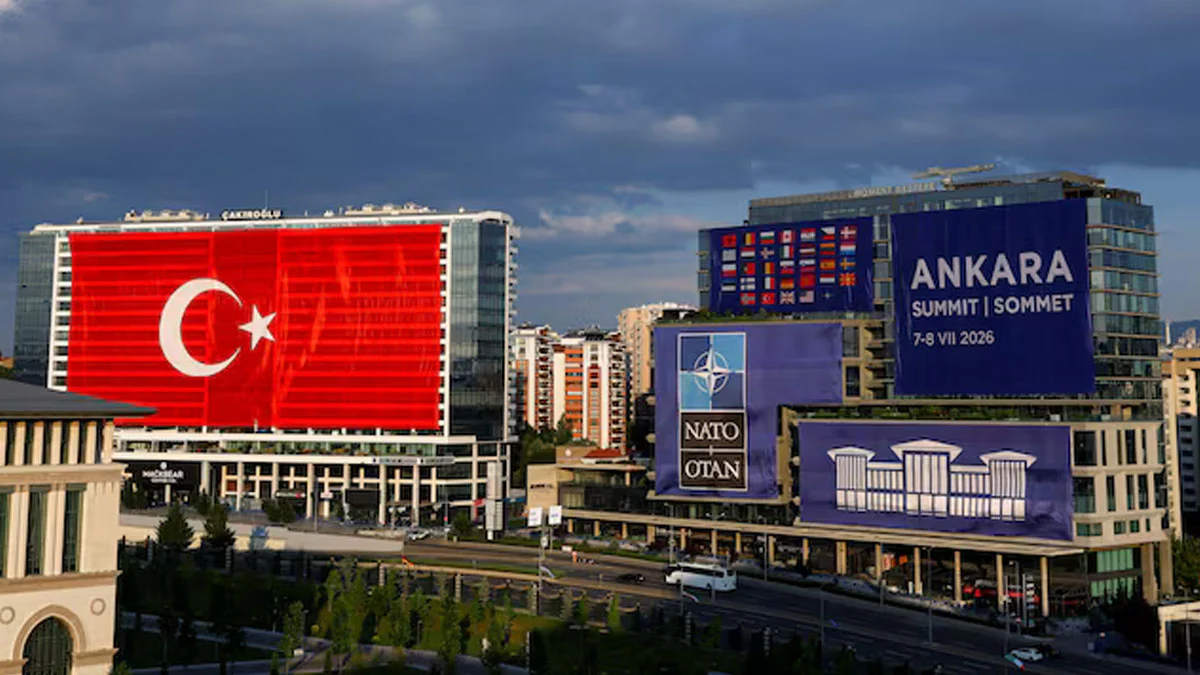

NATO leaders are revealing arms deals worth tens of billions of dollars in Ankara on Tuesday as they seek to demonstrate stronger defense commitments before a summit with U.S. President Donald Trump. The planned announcements come amid growing security concerns in Europe and continued calls from Washington for allies to increase military spending.
European governments are unveiling the agreements during a NATO defense industry forum before Trump meets Turkish President Recep Tayyip Erdoğan and joins alliance leaders for the summit, which opens with a dinner later in the day.
NATO Secretary General Mark Rutte said European allies had made substantial increases in defense spending. He noted that concerns over Russia’s actions since the 2022 invasion of Ukraine, along with persistent pressure from Trump, had accelerated military investment.
Rutte said NATO’s European members and Canada increased defense spending by 90 billion dollars in real terms during 2025. As a result, total spending exceeded 570 billion dollars, representing a 20 percent increase from the previous year.
Trump Expected to Press Allies Again
Trump has repeatedly argued that European nations rely too heavily on the United States for their security. Recently, he renewed criticism by accusing some NATO members of providing insufficient support during the U.S. conflict with Iran. He also suggested the United States could reconsider its commitment to the alliance if burden-sharing remains unequal.
Meanwhile, European officials said they fulfilled commitments by allowing U.S. forces to use their airspace and military bases despite concerns over the conflict’s economic impact. At the same time, Washington announced troop reductions in Europe and launched a review of its military presence on the continent.
Officials expect Trump to repeat his demands for greater defense contributions during the summit. However, they hope discussions with Turkish President Recep Tayyip Erdoğan and NATO Secretary General Mark Rutte will help maintain unity despite ongoing disagreements over security, Iran, and other geopolitical issues.

