
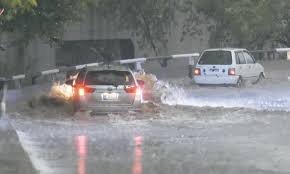

The National Disaster Management Authority has issued a nationwide weather alert. The advisory covers the period from April 18 to April 23. Citizens have been warned about thunderstorms, strong winds, and possible hailstorms in multiple regions.
According to the National Emergencies Operation Centre, changing weather patterns will impact several provinces. Authorities have urged people to remain cautious. Emergency services are also on alert to handle any situation.
Rain Forecast for Punjab and Federal Areas
Upper and central Punjab are expected to receive intermittent rainfall. The weather system will likely affect these areas on April 18 and 19. Gusty winds and thunderstorms are also predicted during this period.
Major urban centers including Islamabad, Rawalpindi, Lahore, and Faisalabad are expected to receive rain. Strong winds may disrupt daily routines. Commuters are advised to plan travel carefully.
In contrast, southern Punjab is likely to remain mostly dry. However, occasional cloud cover may still be observed.
Weather Outlook for Sindh and Balochistan
In Sindh, including Karachi, dust storms and thunderstorms are forecast. Rain is expected on April 19 and 20. Temperatures in several districts may stay above normal despite the changing conditions.
Meanwhile, parts of Balochistan will also be affected. Cities such as Quetta, Zhob, Ziarat, and Khuzdar may receive rainfall and thunderstorms. These conditions are expected on April 18, 19, 22, and 23.
Coastal areas like Gwadar could experience strong winds and light rain. Fishermen and residents in coastal regions are advised to stay updated on weather advisories.
Northern Areas Face Snowfall and Landslide Risks
Weather conditions in northern regions are also expected to change. Khyber Pakhtunkhwa, Gilgit-Baltistan, and Azad Kashmir may experience rain and strong winds.
Snowfall is likely in upper mountainous areas. Authorities have warned of possible landslides in hilly terrain. Travelers and tourists should take extra precautions.
Officials recommend avoiding unnecessary travel in vulnerable areas. Emergency teams are prepared to respond quickly if needed.
The weather alert highlights the need for public awareness. Citizens are encouraged to follow official updates. Taking preventive measures can help reduce risks during this period.

