
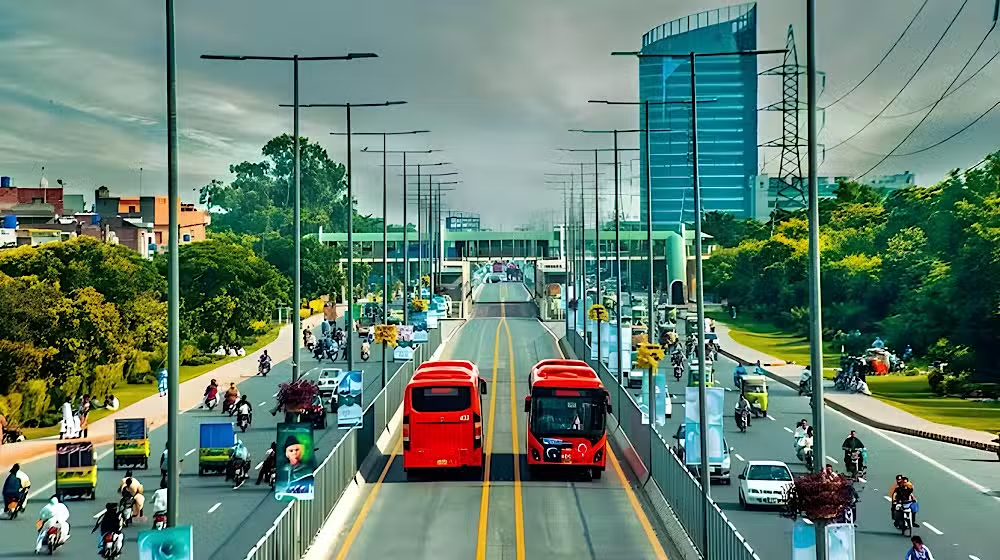

Employees of the Rawalpindi-Islamabad Metro Bus Service staged a large protest after the reported dismissal of nearly 150 to 200 workers. The demonstration created major disruption for daily commuters and increased pressure on transport authorities and management officials.
The protest took place on Monday as workers gathered to demand reinstatement, unpaid salaries, and explanations regarding the sudden terminations. A large number of employees, including women staff members, participated in the demonstration and raised slogans against the management.
According to protesting workers, the dismissals were carried out without prior notice or formal communication. Employees claimed the terminations violated existing agreements and created uncertainty for hundreds of families dependent on Metro Bus Service jobs.
Passengers using the Metro Bus system also faced serious inconvenience during the protest. Delays and operational disruptions affected commuters traveling between Rawalpindi and Islamabad during peak hours.
Employees Accuse Management of Unfair Dismissals
Protesting workers stated that the dismissals were implemented on May 1, 2026, and affected employees from multiple operational departments. Workers alleged that management removed staff without following proper legal or contractual procedures.
Employees claimed their contracts remain valid until 2027. However, they say the management terminated services before the completion of the agreed employment period. Protest leaders described the move as unfair and financially damaging.
Workers also alleged that no clear justification was provided for the dismissals. Many employees argued they had continued performing duties despite delays in salary payments and operational challenges.
The protesters demanded immediate reinstatement of dismissed workers and called for an official inquiry into the management’s decisions. Employees also urged authorities to protect labor rights and prevent further layoffs.
Several workers expressed concern about rising financial pressure due to unemployment and delayed salaries. Many families reportedly depend entirely on Metro Bus employment for monthly income and household expenses.
Unpaid Salaries Add to Workers’ Frustration
One of the major concerns raised during the protest involved unpaid salaries. Employees claimed they had not received wages for the previous two months despite continuing work responsibilities.
Protesters stated that delayed salary payments had created serious financial difficulties for staff members. Workers said they struggled to pay utility bills, rent, transportation expenses, and educational costs for their children.
Female employees participating in the protest also demanded immediate salary clearance and restoration of employment. Many described the situation as emotionally and financially stressful.
Workers further alleged that operational control of the Metro Bus Service had recently been awarded to a new company. According to employees, the management transition may have contributed to the termination decisions.
However, protesters insisted that company changes should not impact valid employee contracts or pending salaries. Demonstrators called on government authorities to intervene and ensure labor protections are enforced.
Commuters Face Difficulties During Metro Bus Protest
The protest created significant inconvenience for passengers using the Metro Bus network for daily travel between Rawalpindi and Islamabad. Long queues, service interruptions, and delays were reported at several stations.
Commuters expressed frustration over transport disruptions but also acknowledged the seriousness of workers’ concerns. Some passengers stated that delayed salaries and sudden terminations should be addressed through proper negotiations.
Transport analysts believe the situation highlights broader concerns regarding labor management and operational stability in public transport systems. Experts say unresolved employment disputes can directly impact service quality and passenger confidence.
Authorities have not yet announced a formal resolution to the issue. However, pressure continues to increase on Metro Bus management and relevant departments to negotiate with protesting employees.
Workers have warned they may continue demonstrations if salaries remain unpaid and dismissed employees are not restored to service. The situation remains tense as commuters and employees await official action.

