
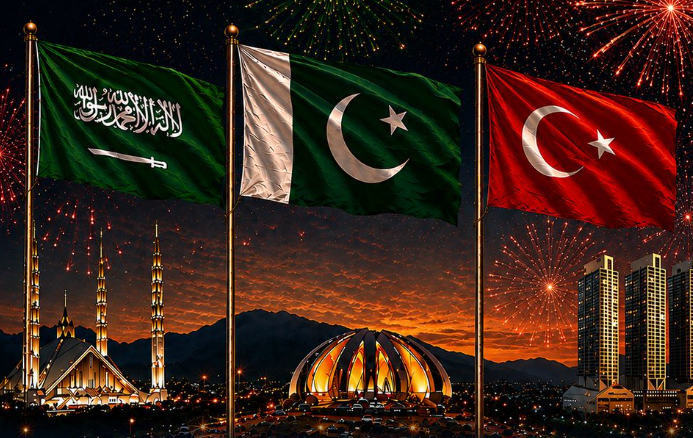

The Makkah Joint Defence Agreement could pave the way for a broader regional security framework. Experts said its expansion could strengthen peace and stability across the region.
The views emerged during a roundtable at the Institute of Strategic Studies Islamabad (ISSI). The Centre for Afghanistan, Middle East and Africa (CAMEA) hosted the discussion.
The session focused on the agreement’s regional implications and Pakistan’s emerging security role. Former diplomats, academics, security experts, and practitioners attended the roundtable.
Experts Highlight Wider Regional Potential
Participants described the agreement as an initial step toward a broader security architecture. They said additional countries could eventually join the emerging framework.
According to experts, wider participation could strengthen regional cooperation and improve collective security. Moreover, the framework could contribute to greater peace and stability.
The participants also examined the pact’s potential impact on regional security dynamics. They discussed how Pakistan could help shape future regional security arrangements.
Agreement Focuses on Defensive Cooperation
Experts highlighted the defensive nature of the Makkah Joint Defence Agreement. They stressed that the agreement does not target any particular country.
Instead, participants viewed the framework as an opportunity for stronger regional security cooperation. They said future expansion could create a more coordinated security environment.
The discussion also examined challenges facing the region’s evolving security architecture. Participants stressed the importance of cooperation among regional states.
They noted that broader participation could further strengthen the agreement’s effectiveness. Consequently, the pact could become an important foundation for future security arrangements.

