

Supplements Show Little Impact on Falls and Fractures
A major new review has raised fresh questions about calcium and vitamin D supplements.
The findings suggest these supplements may offer little to no meaningful protection against fractures or falls for most older adults.
The review was published in The BMJ. It examined whether calcium, vitamin D, or both together can help prevent bone injuries in seniors.
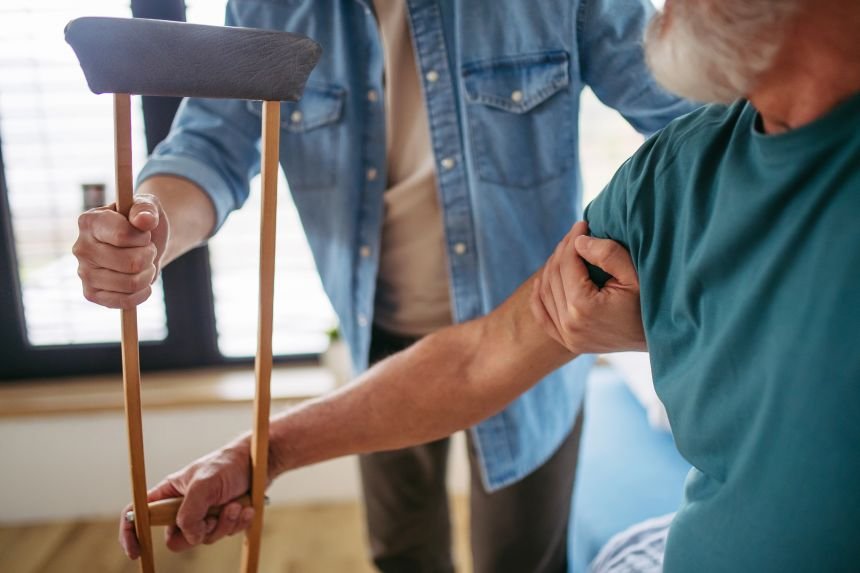
Falls remain a major health risk for older people. Nearly one in three adults aged 65 and above experiences a fall every year.
Many of these falls lead to fractures. These injuries can cause pain, disability, loss of independence and reduced quality of life.
In some cases, older adults may also need long-term care after serious fractures.
Researchers Analyse 69 Clinical Trials
Researchers in Canada reviewed data from 69 randomized controlled trials.
The trials included 153,902 adults.
The studies compared calcium supplements, vitamin D supplements, or combined supplementation with placebo or no treatment.
The goal was to see whether these supplements reduced the risk of falls and fractures.
The researchers found little to no reduction in overall fracture risk.
Calcium supplements showed no clear major benefit. Vitamin D supplements also showed little effect. Taking both together did not produce strong protection either.
The review also found little to no benefit in preventing hip fractures or reducing falls.
Researchers said the evidence was mostly of moderate to high certainty.
Experts Urge Shift Toward Proven Prevention
The authors said the findings do not support routine use of calcium or vitamin D supplements for preventing fractures and falls in most older adults.
They also suggested that doctors, guideline panels and health agencies should review current recommendations.
However, the findings may not apply to people with specific bone diseases or those taking osteoporosis medication.
Experts said better clinical trials are still needed for high-risk patients.
A linked editorial said health resources should focus more on proven fall-prevention strategies.
These include balance training, resistance exercise and personalized fall prevention plans.
Such plans may include home safety checks, exercise support and education based on individual risk.
The review suggests that stronger bones may require more than supplements alone.

