
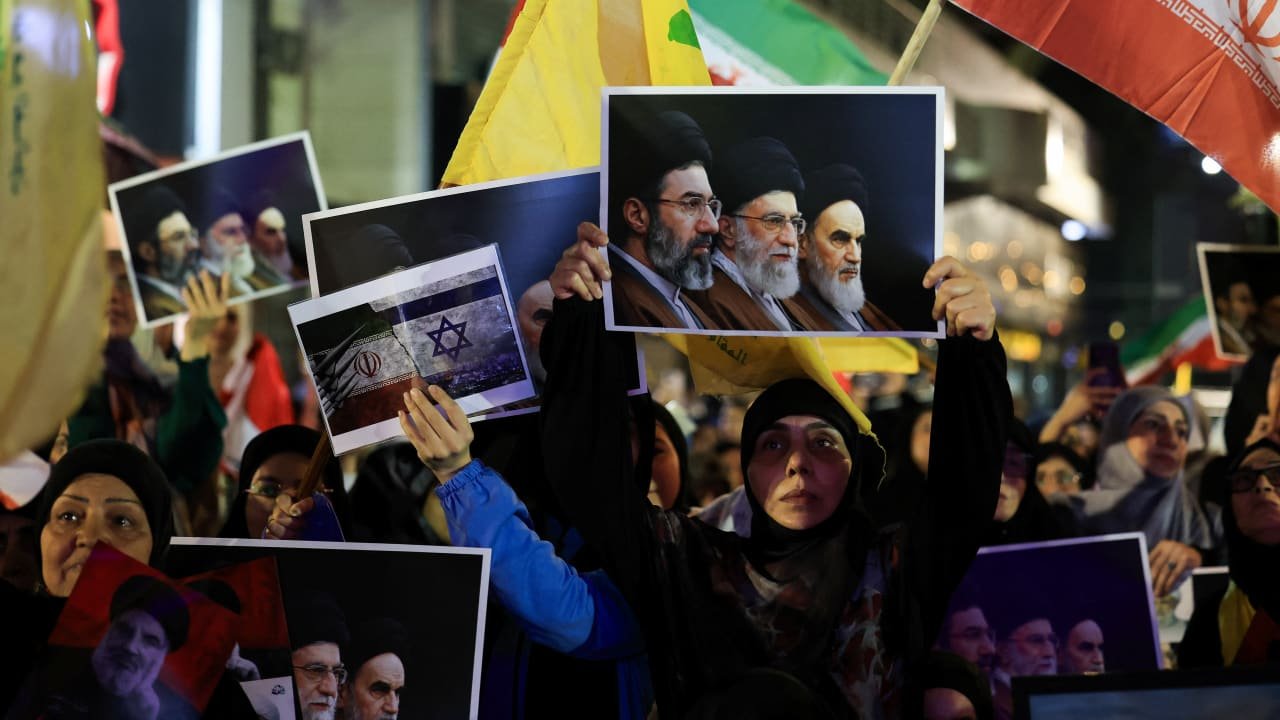

Qabalan Urges Broader Role for Hezbollah and Amal Movement
BEIRUT: Prominent Lebanese Shiite cleric Ahmad Qabalan has called for political changes in Lebanon following the recently announced understanding between Iran and the United States, arguing that the country should establish what he described as a stronger national partnership involving Hezbollah and the Amal Movement.
According to Lebanese media reports, Qabalan said the political circumstances that brought the current governing alignment to power had changed following recent regional developments. Consequently, he urged authorities to pursue governmental changes through what he described as a balanced and peaceful national process.
The cleric also called on Lebanese leaders to reconsider ongoing approaches to regional diplomacy and security matters, linking his remarks to the broader political impact of the emerging US-Iran framework.
Meanwhile, details of the reported memorandum of understanding between Washington and Tehran have not yet been officially published, although various media outlets have reported differing accounts regarding its possible provisions.
Debate Intensifies Over Lebanon’s Future Direction
Qabalan’s comments come amid growing political debate in Lebanon over the country’s future role in a rapidly changing regional environment.
At the same time, Lebanese President Joseph Aoun has repeatedly emphasized the importance of strengthening state institutions and preserving national sovereignty. Recent public remarks from Lebanese officials have highlighted concerns about regional tensions and their impact on domestic stability.
As a result, discussions regarding Lebanon’s political direction, security arrangements and foreign relations have become increasingly prominent across the country’s political spectrum.
Analysts Assess Regional Implications
Regional analysts continue to evaluate how any future US-Iran agreement could influence political dynamics across the Middle East.
Some observers believe the evolving diplomatic landscape could affect power balances, security policies and regional alliances, particularly in countries where multiple political and security actors play influential roles.
Furthermore, experts argue that continued dialogue between regional governments remains essential for reducing tensions and promoting long-term stability.
For now, Lebanese political leaders, parties and analysts continue to monitor developments closely as discussions surrounding regional diplomacy and national priorities remain at the center of public debate.
The coming weeks are expected to provide greater clarity regarding both the reported agreement and its potential implications for Lebanon and the wider region.

