
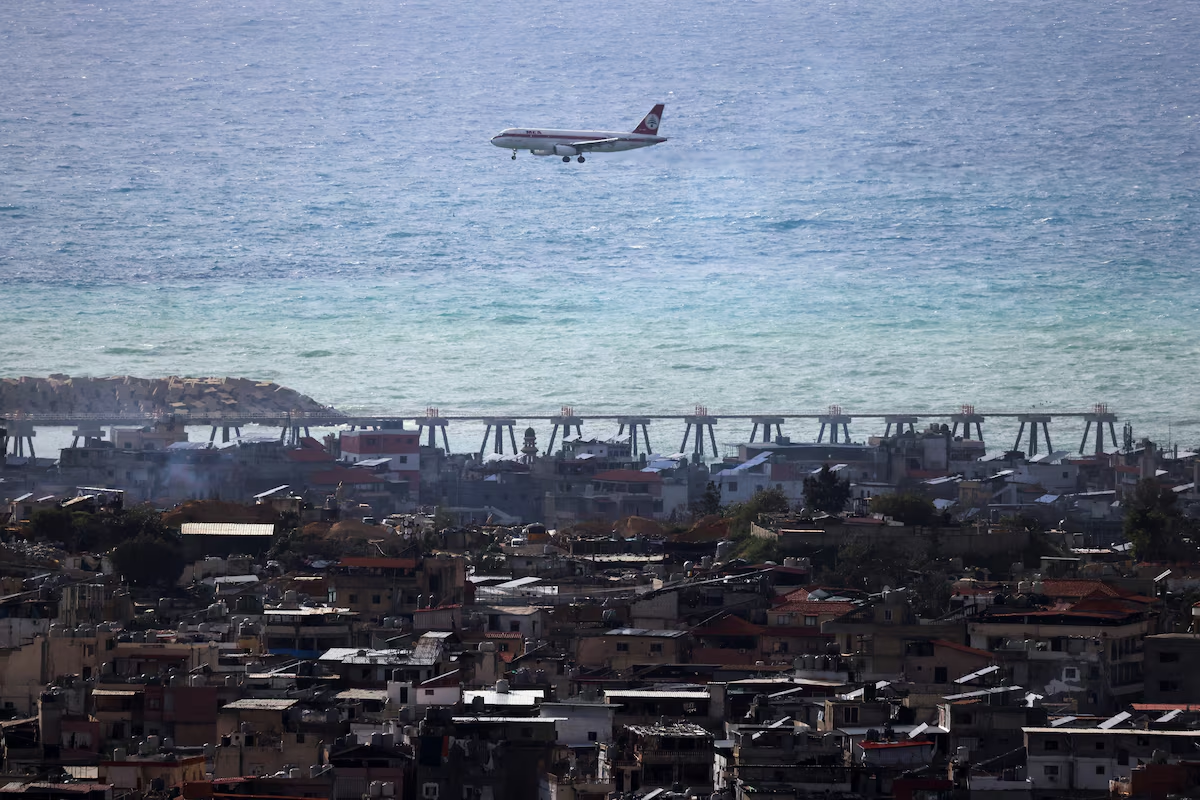

Pilot Groups Question Operations Near Conflict Zones
Lebanon’s civil aviation regulator has launched a safety audit of Middle East Airlines (MEA) following concerns raised by international pilot organizations regarding flight operations near active conflict zones.
The review places renewed scrutiny on the Beirut-based national carrier, which has continued operating throughout periods of regional instability and economic hardship. While many foreign airlines reduced or suspended services due to security risks, MEA maintained connections between Lebanon and destinations across the Middle East, Europe and West Africa.
Pilot associations have expressed concerns about flights operating near areas affected by military activity. In addition, they questioned whether flight crews faced pressure when reporting safety-related incidents.
The International Federation of Air Line Pilots’ Associations (IFALPA) argued that operating civilian aircraft in areas exposed to military threats could pose unacceptable risks to passengers and crews. Concerns intensified after several strikes reportedly occurred near Lebanon’s main international airport over the past year.
However, MEA rejected the allegations and emphasized that all operations were conducted following comprehensive risk assessments developed in coordination with Lebanese authorities and aviation regulators.
Airline Defends Safety Record as International Partners Monitor Review
Lebanon’s Civil Aviation Authority confirmed that inspectors conducted oversight activities and initiated discussions with airline management regarding the issues raised by pilot groups.
According to aviation officials, the audit remains under review, although preliminary oversight findings reportedly confirmed compliance with existing operational and regulatory safety requirements.
Meanwhile, pilot representatives also voiced concerns about compensation structures, claiming that pilots rely heavily on per-flight payments due to reduced base salaries following Lebanon’s prolonged financial crisis. Some pilots alleged that reporting mistakes could result in mandatory training assignments that affect earnings.
MEA strongly denied any retaliation against employees and stated that training requirements are implemented solely for operational and regulatory purposes.
Furthermore, the controversy has attracted attention from international aviation organizations and airline partners. Pilot groups have contacted members of the SkyTeam alliance and other aviation stakeholders to raise awareness about the concerns.
International carriers that maintain commercial partnerships with MEA said they continue to monitor developments closely while emphasizing that passenger safety remains their highest priority.
Separately, questions were raised regarding financial assistance provided by MEA to certain civil aviation personnel during Lebanon’s economic crisis. The airline stated that the support was coordinated with government authorities to help maintain critical aviation services and did not influence regulatory independence or oversight responsibilities.
The final results of the safety audit are expected after regulators complete their review and consultations with all parties involved.

