
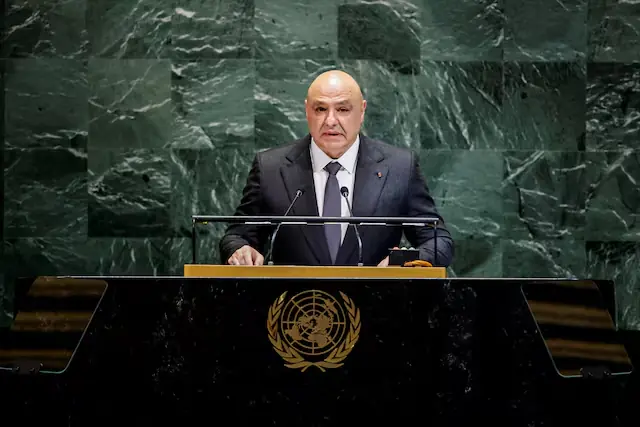

Aoun Voices Strong Criticism of Tehran and Hezbollah
Lebanese President Joseph Aoun sharply criticized Iran on Friday, accusing Tehran of using Lebanon as leverage in its negotiations with the United States while the country continues to face the consequences of ongoing conflict with Israel.
In an interview with CNN, Aoun said Lebanese citizens were paying the price for policies driven by Iranian interests and expressed frustration over the continued fighting between Israel and Hezbollah. He argued that Lebanon should not be treated as a bargaining tool in regional diplomacy and described such an approach as unacceptable.
The remarks marked some of Aoun’s strongest public criticism of Iran since taking office and highlighted growing tensions within Lebanon over the role of Hezbollah and the country’s involvement in broader regional disputes.
Aoun also said many Lebanese were exhausted by years of instability and conflict. His comments reflected divisions among the country’s political and religious communities regarding Hezbollah’s military activities and its close relationship with Tehran.
Ceasefire Dispute Deepens Political Divisions
The president’s comments came as efforts to secure a ceasefire in Lebanon faced new obstacles. Iran has repeatedly linked a Lebanon ceasefire to wider negotiations involving Washington and the broader regional conflict that began after the US-Israeli strikes on Iran earlier this year.
Meanwhile, Hezbollah rejected a ceasefire proposal negotiated by Lebanese and Israeli officials during US-mediated talks in Washington. The proposed arrangement reportedly required Hezbollah to halt attacks and withdraw its fighters from southern Lebanon.
Hezbollah leader Naim Qassem said the proposal lacked broad support and argued that significant segments of Lebanese society opposed the agreement. However, Aoun directly challenged that claim, asserting that Hezbollah could not speak on behalf of all Lebanese citizens.
Since assuming office, Aoun has advocated the peaceful disarmament of Hezbollah and has supported direct dialogue aimed at reducing tensions with Israel. These positions have increasingly placed him at odds with the powerful armed group.
Furthermore, the conflict has inflicted a heavy toll on Lebanon. Lebanese authorities report that thousands have been killed and approximately 1.2 million people displaced since fighting escalated in March. Israeli forces also continue to maintain positions in parts of southern Lebanon.
As diplomatic efforts continue, disagreements over Hezbollah’s role and Lebanon’s future remain central challenges to achieving a lasting ceasefire.

