

Parking shortages and regional airspace restrictions add pressure on Israeli aviation sector
TEL AVIV: Israir Airlines Chief Executive Officer Uri Sirkis has warned that escalating security tensions involving Iran are fueling concerns about widespread flight disruptions, while operational challenges continue to affect Israel’s aviation sector.
Speaking in an interview with Israeli radio station 103FM on Tuesday, Sirkis said a shortage of aircraft parking space at Ben-Gurion Airport and continued restrictions on flights to the United Arab Emirates have complicated airline operations.
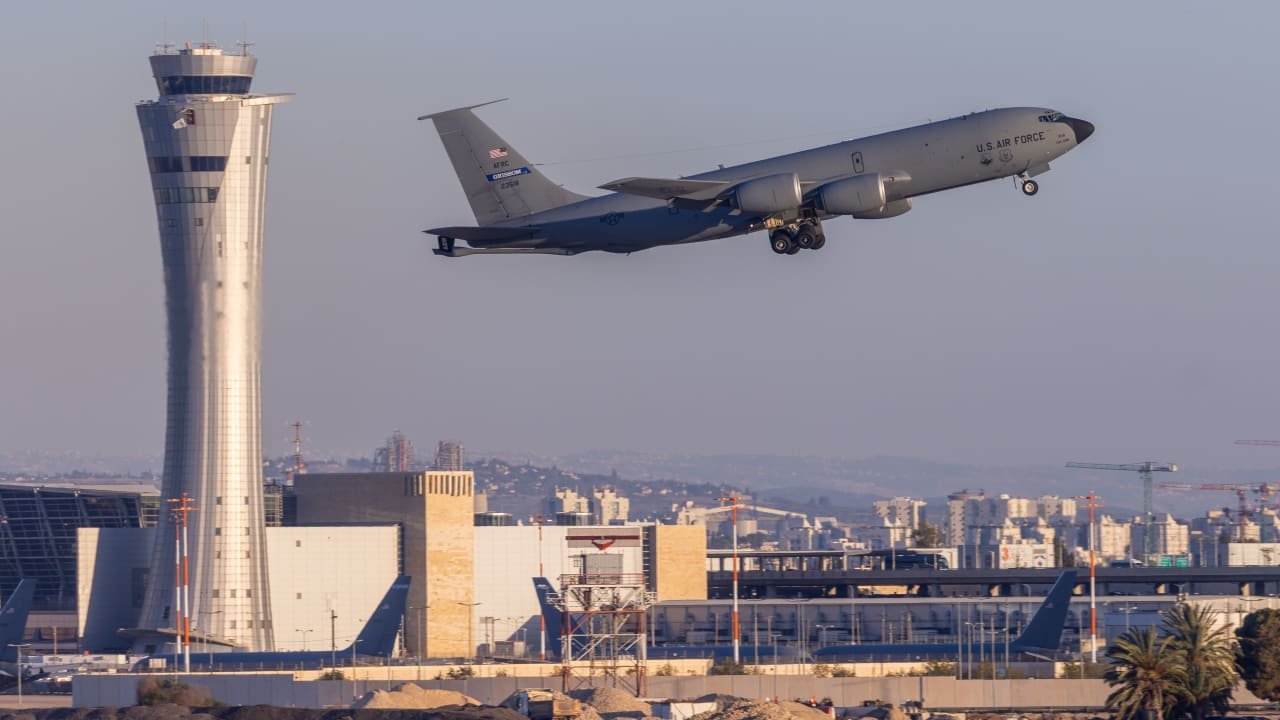
According to Sirkis, the parking shortage is linked to the presence of US military tanker aircraft stationed at Ben-Gurion Airport.
He said relocating those aircraft to Israeli Air Force bases would free valuable space for commercial aviation and improve airport efficiency. Sirkis praised the transportation minister’s decision to address the issue, adding that the move could have been implemented earlier.
Regional restrictions continue affecting airlines
Sirkis also revealed that one of Israir’s newly acquired wide-body aircraft remains parked in Larnaca because of limited parking capacity at Ben-Gurion Airport, while another is stationed in Israel.
Meanwhile, he addressed the continued suspension of Israeli airline operations to Dubai. According to Sirkis, authorities prohibited flights following the escalation involving Iran because the route passes near sensitive regional airspace.
He said the restrictions were introduced to minimize risks associated with possible military activity and unexpected security incidents.
Sirkis added that airlines have been informed the suspension is expected to remain in place until the end of October, while the European aviation safety authority has also advised airlines to exercise caution and limit flights in the affected region.
Airline seeks expansion of domestic services
Despite the operational challenges, Sirkis expressed optimism about expanding domestic air travel within Israel.
He said airlines, municipalities, the Transportation Ministry and the Civil Aviation Authority have begun coordinating efforts to increase daily flight frequencies across the country.
According to Sirkis, a new government tender requires the successful airline operator to maintain at least five scheduled daily flights on designated routes, a move aimed at improving connectivity and strengthening domestic aviation services.
He added that closer cooperation between airlines and government institutions will be essential to maintaining reliable passenger services while addressing ongoing operational and security-related challenges facing Israel’s aviation industry.

