

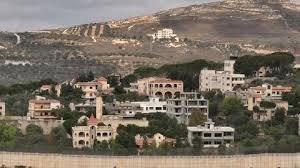
The Israeli military conducted an overnight airstrike on the Kfarkela area in southern Lebanon, targeting what it described as a loaded rocket launcher ready for firing. Al Jazeera reported the strike, which occurred even though Israel had agreed to a 10-day ceasefire in the region.
Strike Targets Alleged Threat
Israeli forces claimed the launcher sat north of the so-called Yellow Line they established in southern Lebanon. They described the operation as a precise defensive measure to neutralize an immediate danger before it could launch attacks into Israeli territory. Local sources confirmed the strike hit the border village, though detailed casualty figures remain unclear so far.
The incident raises fresh concerns about the fragile truce. Many observers question how a ceasefire can hold when one side carries out military action inside the other country’s territory. Lebanese officials and residents expressed anger, viewing the strike as a clear violation that undermines recent diplomatic efforts to bring calm to the border area.
Ceasefire Faces Early Test
Having discussed the specific details of the operation, let us consider how this event impacts other processes in general. First of all, Israel has created additional pressure on the fragile 10-day truce agreement. It was supposed to give an opportunity for negotiations as well as decrease the number of casualties in the region caused by prolonged hostilities. On the other hand, accusations on either side of violation of agreements come quite often. While Israel considers itself entitled to defend against threats, Lebanon together with its supporters insists on the contrary viewpoint that these actions will not help establish peace but will rather escalate the tension.
Southern residents of Lebanon again found themselves in the middle of a fire of war. Those who were expecting an opportunity to return to their homeland were again disappointed with the situation.

