

Explosions Reported in Tehran, Isfahan and Tabriz
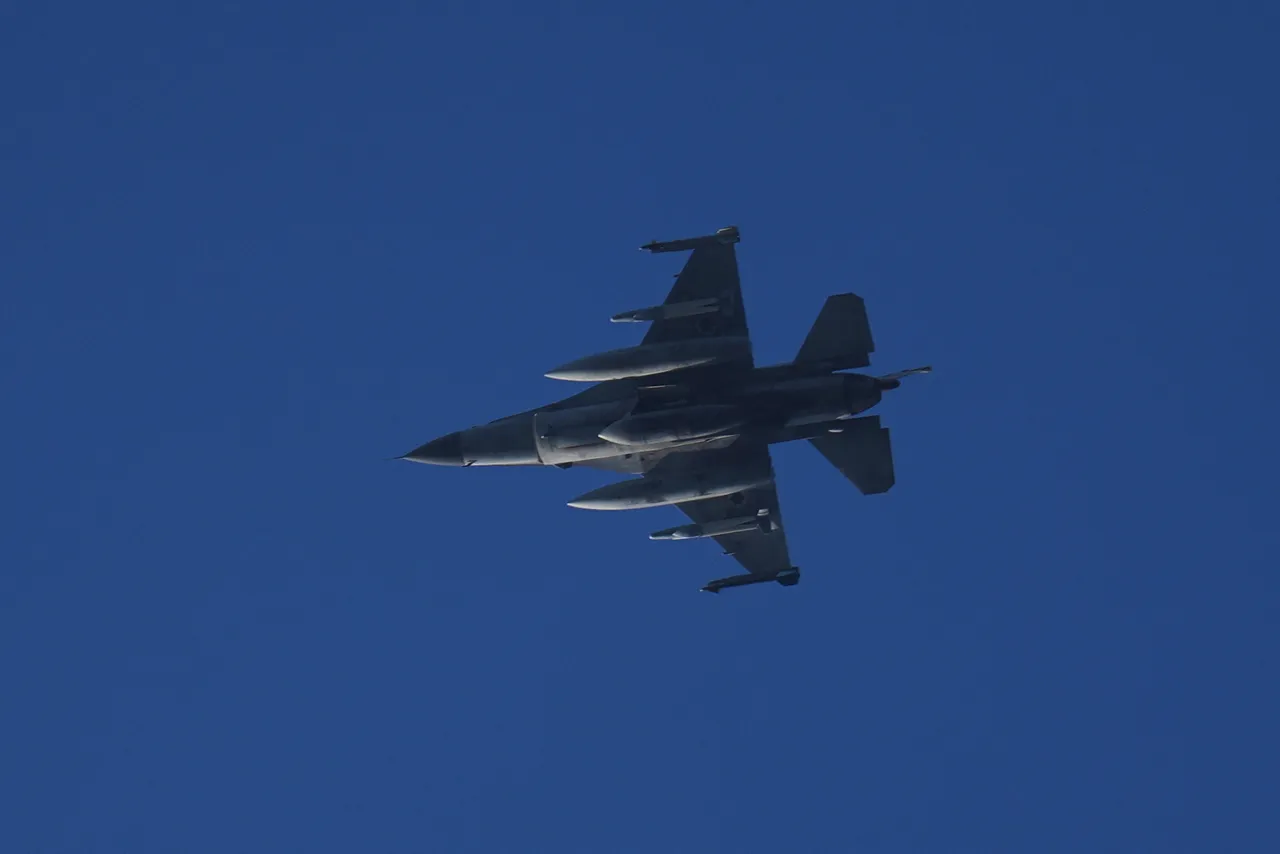
Israel launched a new wave of air strikes on western and central Iran early Monday, targeting what the Israeli military described as military facilities linked to the Iranian government.
According to Israeli military statements, the Israeli Air Force carried out attacks against several strategic sites inside Iran. Shortly afterward, Iranian media outlets reported explosions in multiple cities, including Tehran, Tabriz and Isfahan.
Iranian state television confirmed blasts in the capital, while local media reported additional explosions near Karaj. The state-run IRNA news agency said at least three separate explosions were heard in Isfahan, one of Iran’s most important industrial and military centers.
Meanwhile, residents in several affected areas reported hearing loud detonations during the early hours of the morning. However, officials had not immediately released details regarding casualties or the extent of damage caused by the strikes.
Missile Exchanges Threaten Ceasefire Efforts
The latest attacks came only hours after Iran launched several missile barrages toward northern Israel. Iranian strikes followed an Israeli air raid on Beirut’s southern suburbs, an area long associated with Hezbollah activity.
As a result, concerns have grown that the renewed exchange of attacks could further destabilize an already fragile regional security environment. Analysts warn that the latest escalation risks undermining ongoing diplomatic efforts aimed at securing a more durable ceasefire.
Earlier, Iran carried out its first missile bombardment against Israel since a ceasefire between Tehran and Washington took effect in early April. Although the truce significantly reduced direct hostilities, sporadic military exchanges have continued in recent weeks.
Furthermore, the latest developments have complicated mediation efforts involving regional and international actors seeking to prevent a wider conflict. Diplomats have repeatedly called for restraint, warning that additional military action could trigger a broader confrontation across the Middle East.
Security experts note that repeated strikes and counterstrikes have increased uncertainty surrounding the future of negotiations designed to end the conflict permanently. While neither side has indicated a willingness to back down, international observers continue to push for renewed diplomatic engagement.
For now, the situation remains highly volatile as both countries monitor developments following the latest round of military action. Additional responses from regional governments and international stakeholders are expected as tensions continue to rise.

