
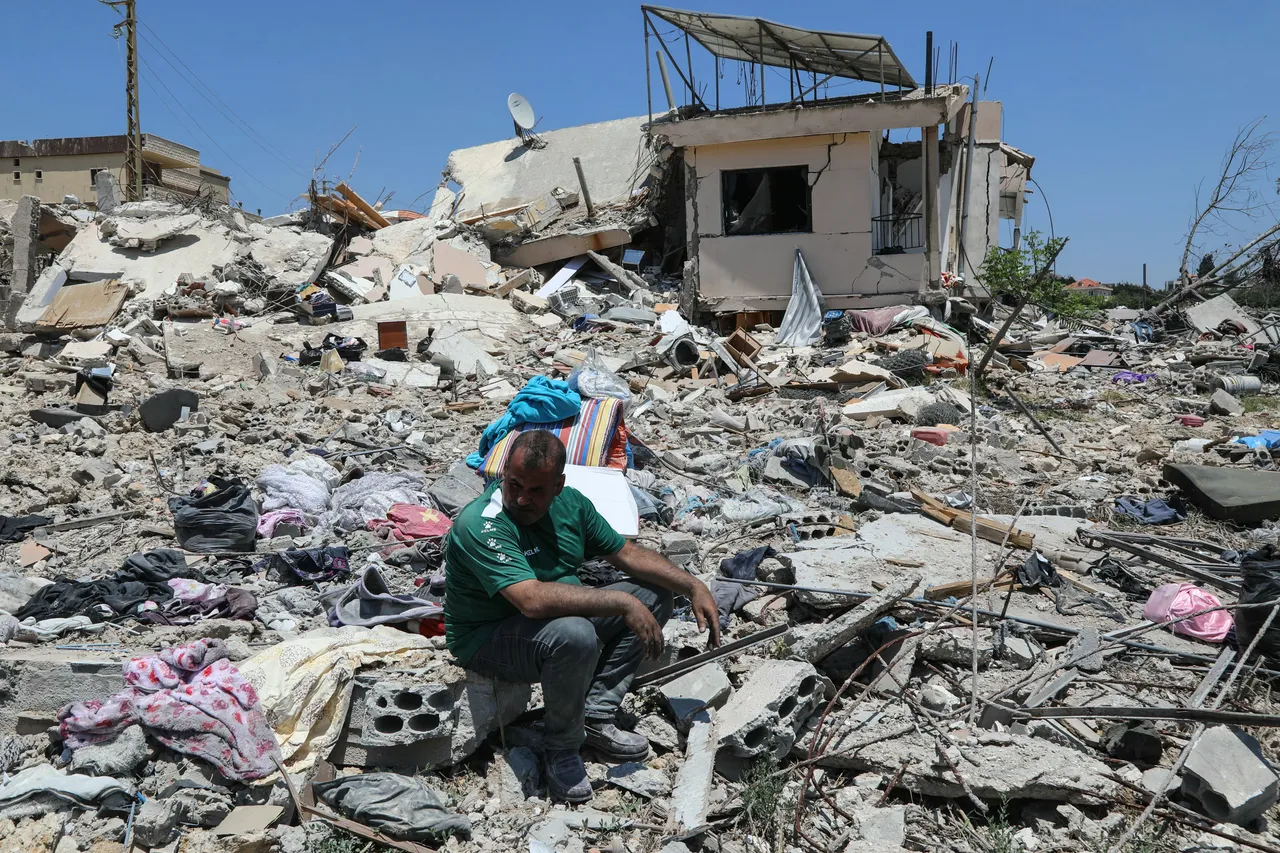

Israel has stated that it has not set a timeline for withdrawing military forces from Lebanon, Gaza, and Syria, linking any future redeployment to security conditions and regional developments.
The announcement came as Israeli and Lebanese officials continued US-mediated discussions in Washington aimed at reducing tensions and exploring future arrangements.
Israeli officials said troop movements would depend on security assessments rather than fixed deadlines.
The position reflects continuing differences over military presence, border security, and regional stability.
Israel Links Military Presence to Security Conditions
Israeli Defence Minister Israel Katz said the country intends to maintain military positions in areas it considers strategically important.
According to his remarks, Israel believes continued deployment is necessary to protect communities and respond to security concerns.
“We must remain in the security zone in Lebanon, in Syria, and in Gaza, and not for a limited time, in order to defend our residents and communities from there against jihadist elements,” he said.
Katz also rejected calls for a timetable regarding withdrawal from southern Lebanon.
“We oppose the withdrawal of IDF forces from the security zone in Lebanon, despite all the pressures that exist and those still to come.”
The remarks reflect Israel’s current position that security arrangements should come before any troop redeployment.
Netanyahu Signals Continued Operations
Prime Minister Benjamin Netanyahu also addressed the issue and reiterated support for maintaining military flexibility.
According to Netanyahu, military forces would remain deployed in southern Lebanon for as long as security conditions require.
He stated that operational decisions would continue to be based on developments on the ground.
“I have made it clear to the IDF: you have full freedom of action.”
The comments suggest that Israel intends to preserve operational capabilities while regional negotiations continue.
Lebanon Talks Continue Under US Mediation
Meanwhile, Israeli and Lebanese officials continued talks in Washington under US mediation.
The discussions began earlier this year and focus on reducing tensions and exploring possible future arrangements.
The latest round of talks extended over several days and addressed security concerns along the border.
US officials indicated that progress had been made toward broader understandings between both sides.
US Secretary of State Marco Rubio said the two countries appeared close to reaching a “commitment of intent”.
However, no final agreement has been publicly announced.
Israel Ties Redeployment to Hezbollah Disarmament
Israeli officials maintained that any change in troop positioning would depend on developments related to Hezbollah.
Government representatives argued that military redeployment should follow security guarantees rather than precede them.
According to Israel’s position, disarmament and demilitarisation remain key conditions.
Officials stated that troop reductions would only be considered after those conditions are met.
Israeli authorities also referenced previous expectations regarding implementation efforts.
“We are making extremely clear that our responsibility is to our northern citizens and to the whole of Israel, and we will not allow any terrorist force anywhere near our border – which means that any redeployment of IDF forces comes after, not before, but after the demilitarisation of southern Lebanon and the disarming of Hezbollah.”
Officials further noted earlier concerns regarding enforcement measures.
“We’ve already been in this situation in 2024. Hezbollah were supposed to be disarmed. They weren’t.”
Regional Security Remains Central
The latest statements underline how security concerns continue to shape regional negotiations.
At the same time, diplomatic efforts remain active through international mediation channels.
Although discussions continue, no timeline has been announced regarding future military withdrawals.
For now, developments in negotiations and security arrangements are expected to influence the next phase of regional engagement.

