

The United States has announced a 45-day extension of the ceasefire agreement between Israel and Lebanon. The decision follows two days of US-mediated diplomatic talks held in Washington, aimed at preventing renewed escalation and supporting long-term stability along the border.
Ceasefire Extension Confirmed by US Officials
The US State Department confirmed that the ceasefire, originally declared on April 16, has been extended for an additional 45 days. The extension is intended to create space for continued negotiations and reduce the risk of renewed conflict in the region.
“The April 16 cessation of hostilities will be extended by 45 days to enable further progress,” said State Department spokesman Tommy Piggott.
Officials described the recent discussions between Israel and Lebanon as highly productive. Moreover, they emphasized that both sides showed willingness to maintain diplomatic engagement.
High-Level Talks Held in Washington
The negotiations took place over two days at the US State Department. These talks are part of a broader diplomatic effort led by Washington to stabilize tensions that have persisted along the Israel-Lebanon border.
According to officials, the meetings included senior representatives from both countries, along with US diplomatic and military figures.
A State Department spokesperson said the discussions were “very positive, even exceeding expectations,” highlighting cautious optimism about progress.
New Diplomatic and Security Tracks Announced
The US has also outlined a structured roadmap for continued engagement between the two sides. A political negotiation track will reconvene on June 2–3 to further discuss long-term arrangements.
In addition, a separate security-focused track will begin at the Pentagon on May 29. This initiative will include military delegations from both Israel and Lebanon.
“We hope these discussions will advance lasting peace between the two countries, full recognition of each other’s sovereignty and territorial integrity, and establishing genuine security along their shared border,” said Piggott.
Regional Conflict Context
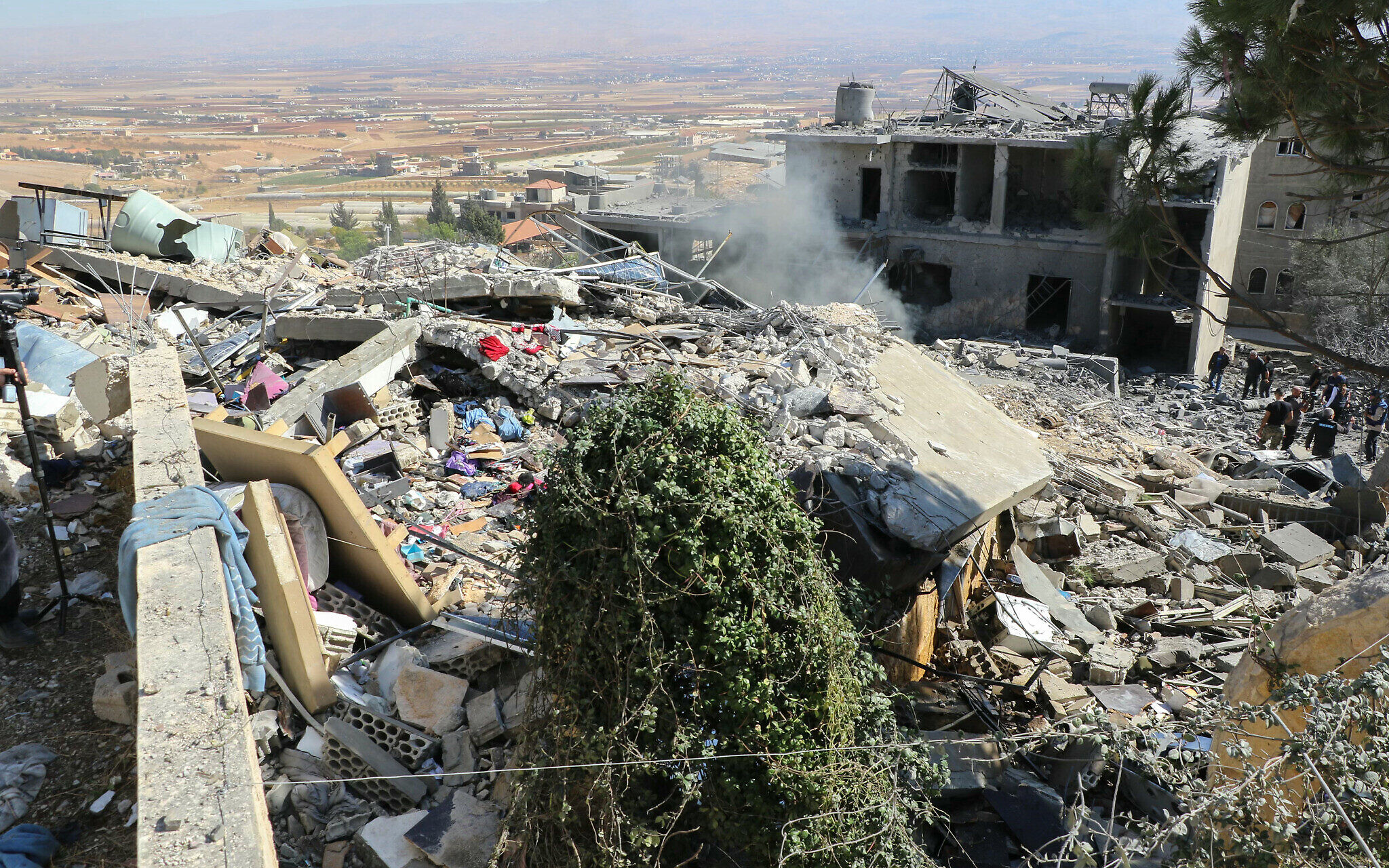
The ceasefire extension comes amid continued instability in southern Lebanon. Although a truce was declared in April, tensions have remained active in parts of the region.
The broader situation has also been influenced by parallel geopolitical tensions, including wider regional disputes that have complicated peace efforts.
Despite these challenges, US officials continue to push for a structured diplomatic process aimed at reducing hostilities and building long-term stability.
Continued US-Mediated Efforts
The latest round of talks marks the third phase of US-led mediation efforts. Officials say both sides remain engaged in dialogue, even as underlying tensions persist.
A US State Department official confirmed that senior American diplomats, including Counselor Michael Needham and US ambassadors to Israel and Lebanon, participated in the discussions.
Lebanese representation included Ambassador Nada Hamadeh Moawad and presidential envoy Simon Karam.
Outlook for Peace Process
The extension of the ceasefire reflects ongoing international efforts to prevent further escalation and encourage sustained dialogue.
While challenges remain, officials suggest that continued negotiations could help establish more durable security arrangements along the Israel-Lebanon border in the coming weeks.

