
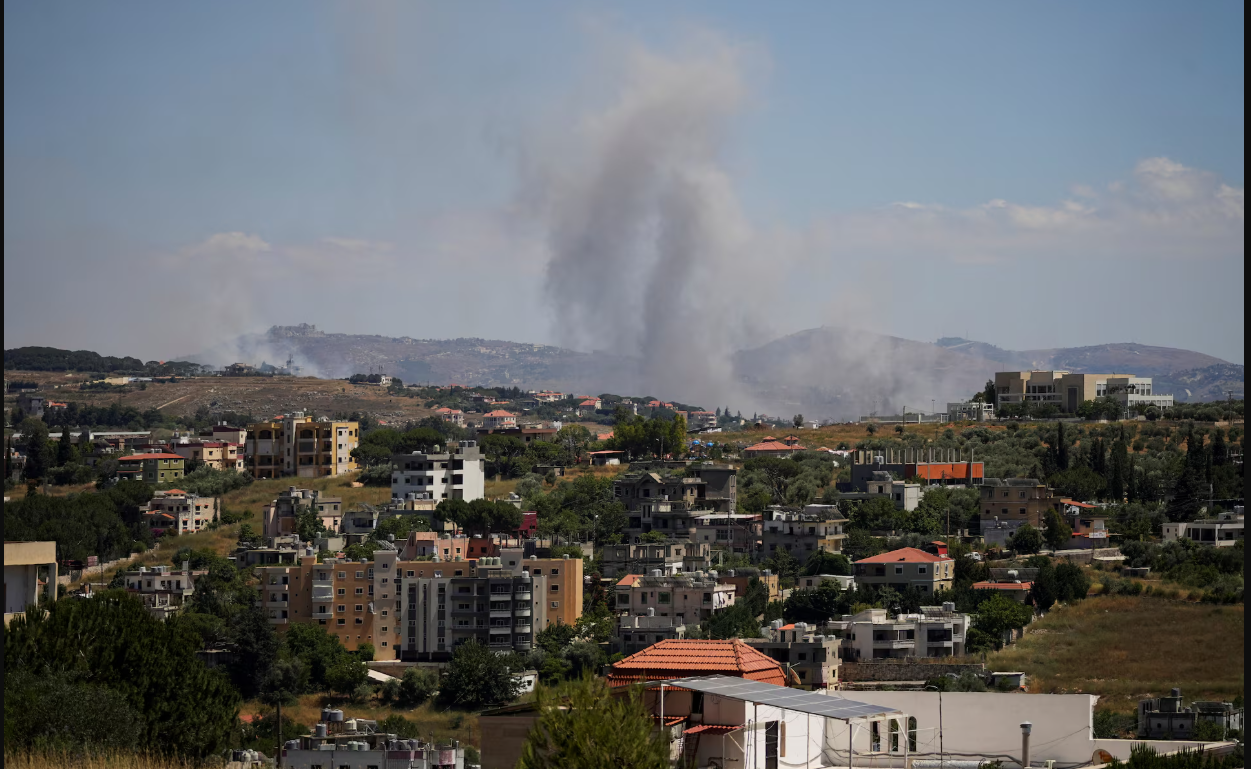

Israel and Hezbollah have agreed to a ceasefire scheduled to begin on Friday at 4pm local time. A senior United States official confirmed the development while speaking to Reuters.
The agreement comes after intense exchanges of fire earlier in the day. The ceasefire marks a sudden pause in escalating cross-border hostilities.
US Confirms Ceasefire Agreement
A senior US official stated that both Israel and Hezbollah have accepted the truce terms. The announcement was made on background through international reporting channels.
“Hezbollah and Israel have agreed to a ceasefire,” the official said, confirming the breakthrough arrangement between the two sides.
The official further explained that diplomatic efforts played a key role in securing the agreement. Negotiators from the United States and Qatar helped facilitate discussions.
Role of Regional Mediators
According to the official, Qatari negotiators contributed significantly to the deal. Iran also provided assistance during the mediation process, supporting communication between the parties.
“We understand that after the exchange of fire earlier today, Israel and Hezbollah are now in a ceasefire,” the official added.
The coordinated diplomatic effort reflects ongoing international attempts to reduce tensions in the region. The mediation involved multiple regional stakeholders working toward de-escalation.
Timing and Implementation of the Ceasefire
The ceasefire is set to take effect at 4pm local time on Friday. This timing follows a period of heightened military activity and rapid escalation.
Authorities expect both sides to halt active hostilities once the agreement comes into force. The arrangement aims to prevent further conflict along the border areas.
Background of Escalation
The announcement follows a day marked by renewed exchanges of fire between the two sides. The situation had raised concerns about further regional instability.
International actors increased diplomatic engagement as tensions intensified. This ultimately contributed to the agreement reached through mediation.
Regional and International Response
The involvement of multiple countries highlights the broader geopolitical importance of the ceasefire. The United States and Qatar played central roles in facilitating communication.
Iran’s reported involvement added another layer of regional diplomacy. Together, these efforts helped bridge communication gaps between the conflicting sides.
Outlook After Ceasefire
The ceasefire represents a temporary halt in ongoing hostilities. However, long-term stability will depend on continued diplomatic engagement.
Observers expect further negotiations to determine whether the truce can be sustained. The agreement may also open pathways for broader regional discussions.
For now, the ceasefire provides immediate relief from escalating violence and offers a critical pause in tensions between Israel and Hezbollah.

