
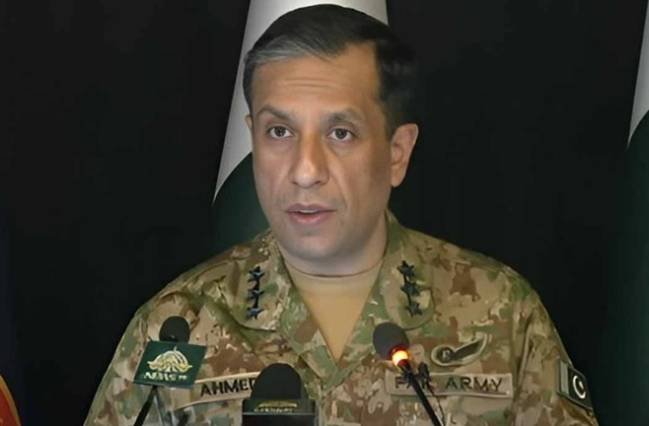

ISLAMABAD: The Inter-Services Public Relations (ISPR) on Sunday strongly criticised recent remarks made by Indian Army Chief General Upendra Dwivedi and warned India against pushing South Asia towards another conflict with potentially devastating consequences for the entire region.
In a statement, the ISPR responded to comments made by the Indian army chief during an interview in which he said Pakistan should decide whether it wanted to remain “part of geography or history.” The military’s media wing described the statement as provocative and accused the Indian leadership of failing to accept the reality of Pakistan’s existence even after decades of regional history.
The ISPR stated that Pakistan is a globally recognised sovereign state, a declared nuclear power, and an integral part of South Asia’s geography and political landscape. It further said that aggressive rhetoric and threats against a neighbouring nuclear state reflected a dangerous mindset that had repeatedly contributed to wars and regional crises.
Moreover, the military spokesperson warned that any attempt to threaten Pakistan’s sovereignty or territorial integrity could trigger consequences extending beyond the region. The ISPR emphasised that responsible nuclear powers should demonstrate restraint, maturity, and strategic wisdom instead of promoting hostility and confrontation.
The statement also accused India of ignoring its own record regarding regional instability, terrorism allegations, and disinformation campaigns. According to the ISPR, New Delhi’s aggressive posture stemmed from frustration over its inability to weaken Pakistan, particularly after last year’s military confrontation referred to as Marka-i-Haq.
General Dwivedi made the remarks during an interactive session in New Delhi while responding to questions about potential future tensions between the two countries. India again repeated allegations linking Pakistan to terrorism, claims Islamabad has consistently rejected.
The exchange comes amid growing international concern that another crisis between the two nuclear-armed neighbours could become more dangerous and increasingly difficult for global powers to contain.

