
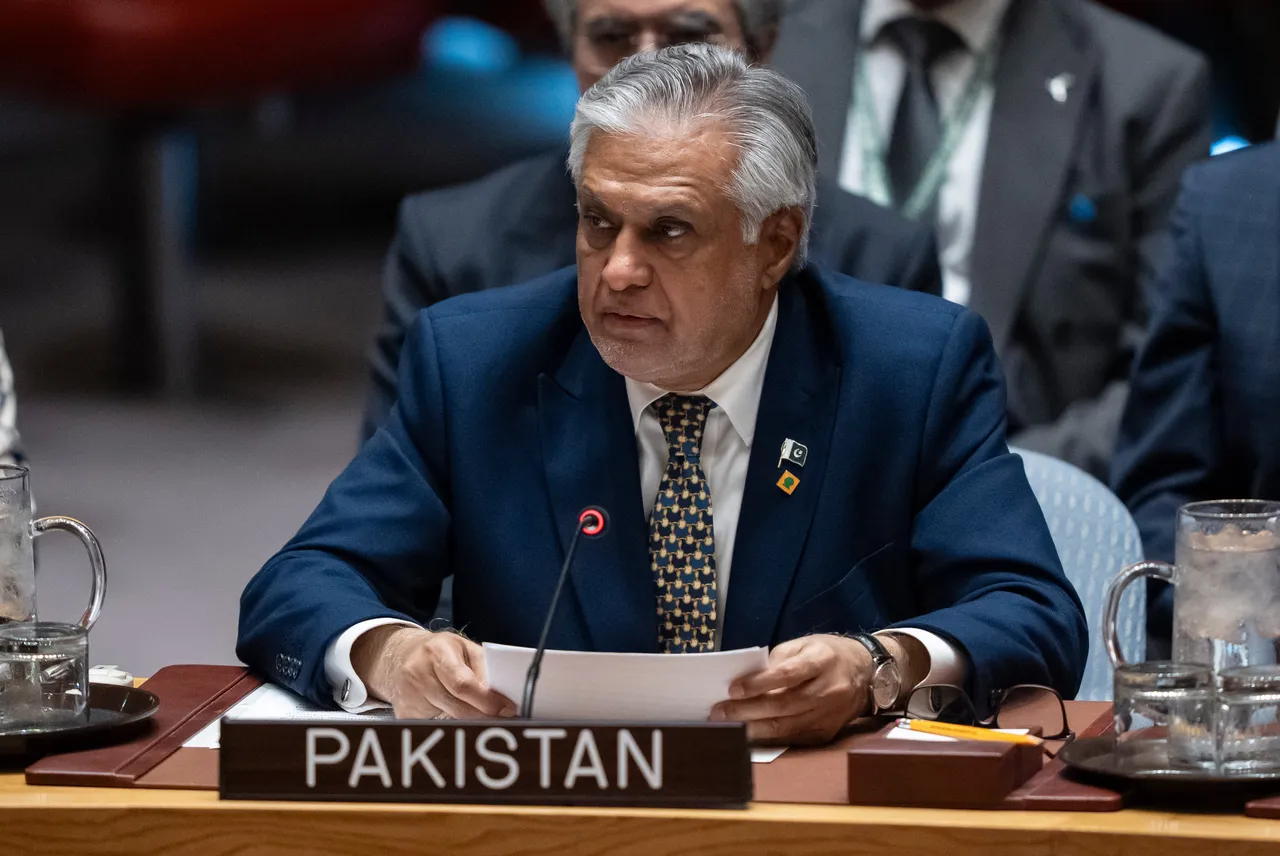

ISLAMABAD: Deputy Prime Minister and Foreign Minister Senator Ishaq Dar has said that Iran will reduce its uranium enrichment levels domestically instead of transferring its enriched uranium stockpile abroad. He made the remarks during an interview with an Arab media outlet.
Dar said the ongoing negotiations between the United States and Iran have now entered a technical phase. He added that three working groups will focus on nuclear issues, frozen assets, and matters related to Lebanon. He said these groups will help structure the next stage of dialogue.
He further stated that the United States had initially demanded the removal of Iran’s enriched uranium from the country. However, he said both sides have now reached an understanding under which Tehran will lower enrichment levels while keeping the material inside its territory.
Moreover, Dar said the issue could be finalised in an upcoming meeting of one of the technical working groups. He expressed optimism that structured talks could resolve outstanding technical concerns.
He also said vessels passing through the Strait of Hormuz would be allowed transit without tariffs for 60 days. He clarified that ships would only pay standard navigation or service fees during this period. He added that China had supported the arrangement.
In addition, Dar said US President Donald Trump had personally overseen negotiations between Washington and Tehran. He noted that Saudi Arabia, Qatar, Egypt, and the United Arab Emirates were also supporting mediation efforts.
He said Iran had expressed satisfaction with the process so far. However, he warned that the next phase of talks could be more difficult despite remaining optimistic about a final agreement.
Dar credited Pakistan’s diplomatic efforts for helping bring both sides to the negotiating table. He said intensive engagement, including over 150 diplomatic communications since late February, had supported progress toward de-escalation.
He also noted that global energy disruptions had eased as tensions declined. He said shipping activity had resumed and energy prices had stabilised following early market shocks caused by the conflict.

