

Authorities assess widespread damage after magnitude 7.1 quake strikes Kumamoto Prefecture
TOKYO: The death toll from the powerful earthquake that struck Japan’s southwestern Kumamoto Prefecture earlier this week has risen to 34, local authorities said on Friday, as rescue teams continue search and recovery operations across the affected region.
According to the Kumamoto prefectural government, six more people remain seriously injured following the magnitude 7.1 earthquake, which struck late on Tuesday and caused extensive damage to buildings, roads and public infrastructure.
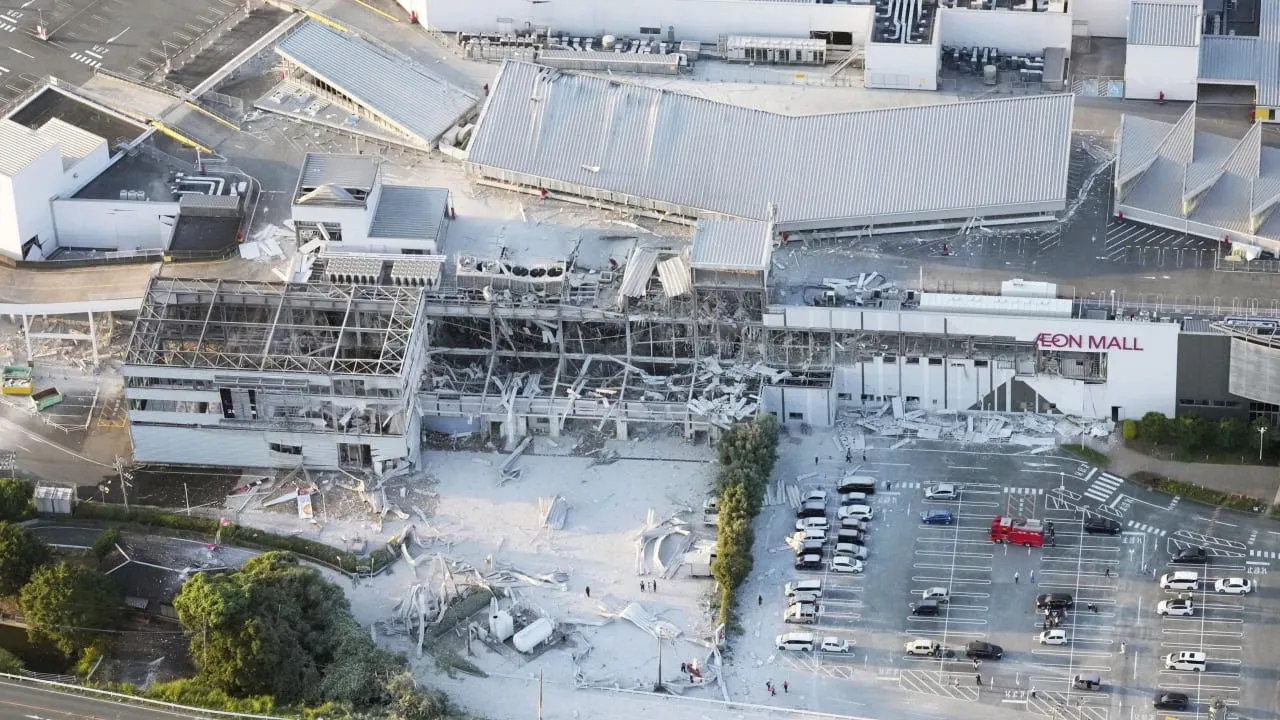
Officials said nearly half of the fatalities occurred in two major incidents. One involved severe structural damage at a Nippon Paper Industries paper mill, while another occurred at an Aeon shopping mall, where authorities are investigating a possible gas explosion.
The earthquake also disrupted transportation networks and supply chains, complicating emergency response efforts and slowing the delivery of essential goods.
Thousands affected by power outages and infrastructure damage
The Japanese government issued emergency earthquake warnings for Kumamoto, Nagasaki, Kagoshima, Fukuoka, Saga, Oita and Miyazaki prefectures on the southern island of Kyushu.
Authorities ordered approximately 260,000 residents to evacuate as a precaution while emergency crews assessed damaged buildings and monitored the risk of aftershocks.
Public broadcaster NHK reported widespread destruction, including collapsed and burning buildings, cracked roads, damaged bridges, sections of an elevated highway and a derailed freight train. In addition, power outages affected thousands of households across the region.
Prime minister urges public to remain vigilant
Prime Minister Sanae Takaichi urged residents to prioritise their safety as emergency services continued rescue and recovery operations.
Speaking in Tokyo, she said power outages, fires, damaged roads, collapsed buildings and other hazards remained significant concerns. She called on people in affected areas to evacuate to safe locations whenever necessary and to follow official instructions.
Authorities continue to inspect critical infrastructure while providing shelter and emergency assistance to displaced residents. Search teams remain deployed across the disaster zone as engineers assess the structural safety of buildings and transport networks.
Officials have warned that aftershocks remain possible and urged the public to stay alert while recovery operations continue throughout the affected areas.

