

Iran signals potential expansion of regional pressure while fresh strikes deepen concerns over global energy supplies
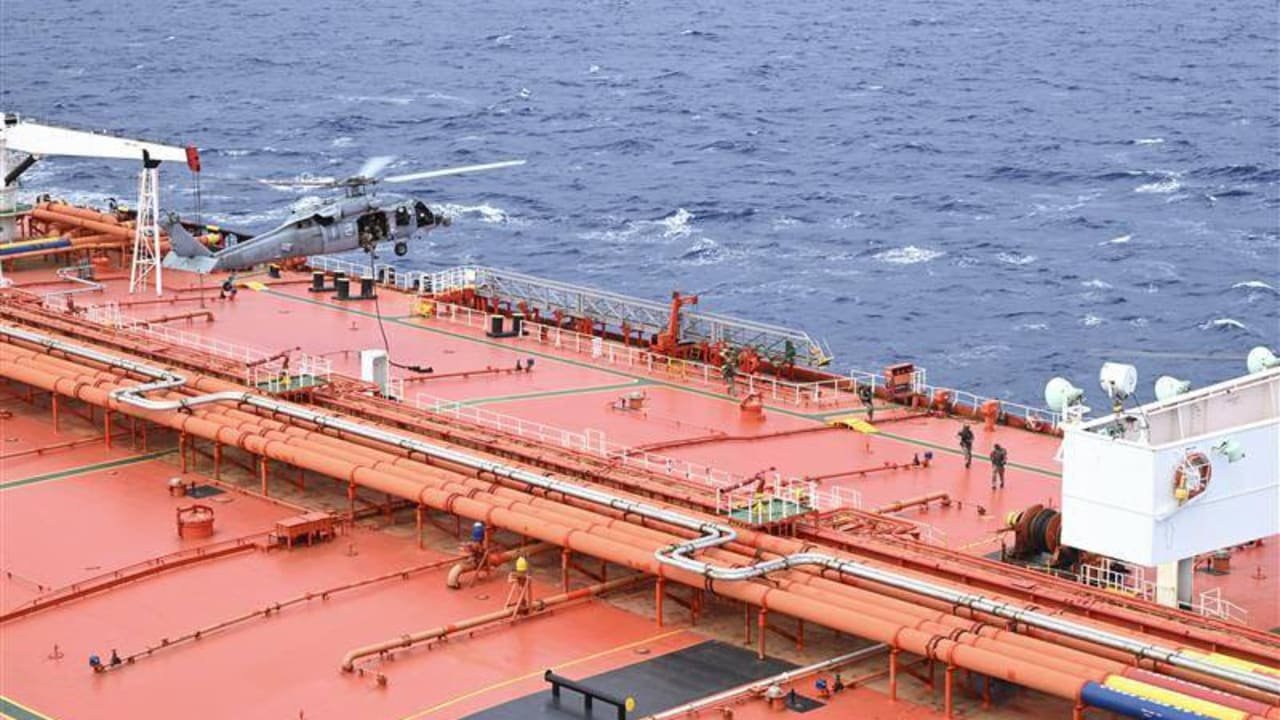
CAIRO/WASHINGTON/BEIRUT: Iran’s Islamic Revolutionary Guard Corps (IRGC) warned on Wednesday that it could target additional regional export corridors benefiting the United States and its allies, escalating tensions after Iran closed the Strait of Hormuz and Washington reinstated a naval blockade on Iranian ports.
In a statement carried by Iran’s state media, the IRGC declared that regional energy exports would either be shared by all countries or denied to all. Analysts said the remarks could signal a broader strategy that may extend pressure beyond the Strait of Hormuz.
Meanwhile, security experts noted growing concerns that the Iran-aligned Houthi movement in Yemen could seek to disrupt traffic through the Bab el-Mandeb Strait, another critical maritime route linking the Red Sea to the Gulf of Aden. Earlier this week, a senior Houthi official warned the group could close the waterway if Saudi Arabia continued military operations in Yemen.
Military exchanges intensify
The warning followed renewed military action across the region. The US military confirmed it carried out a seven-hour operation targeting dozens of Iranian military sites near the Strait of Hormuz, including missile positions, coastal facilities and other military assets. Washington said the strikes aimed to reduce Iran’s ability to threaten commercial shipping after several vessels reportedly came under attack in recent days.
Iranian authorities, meanwhile, reported civilian and military casualties from the latest strikes. The IRGC also claimed responsibility for attacks targeting what it described as US military-related facilities in Bahrain, Kuwait and Jordan, although independent verification of those claims remains unavailable.
Oil markets react to uncertainty
US President Donald Trump warned that military operations could intensify unless Tehran returned to negotiations, adding that energy infrastructure could become future targets if diplomacy failed.
Initially, Trump proposed imposing a 20 percent fee on ships using the Strait of Hormuz but later withdrew the proposal, saying Washington would instead pursue investment agreements with Gulf states.
Consequently, renewed fighting and continued uncertainty over key maritime routes pushed global oil prices higher. Brent crude and West Texas Intermediate both extended gains after reaching one-month highs, reflecting growing market concerns over potential disruptions to global energy supplies.

