

Commission reshuffle follows internal disagreements over ceasefire and diplomatic process
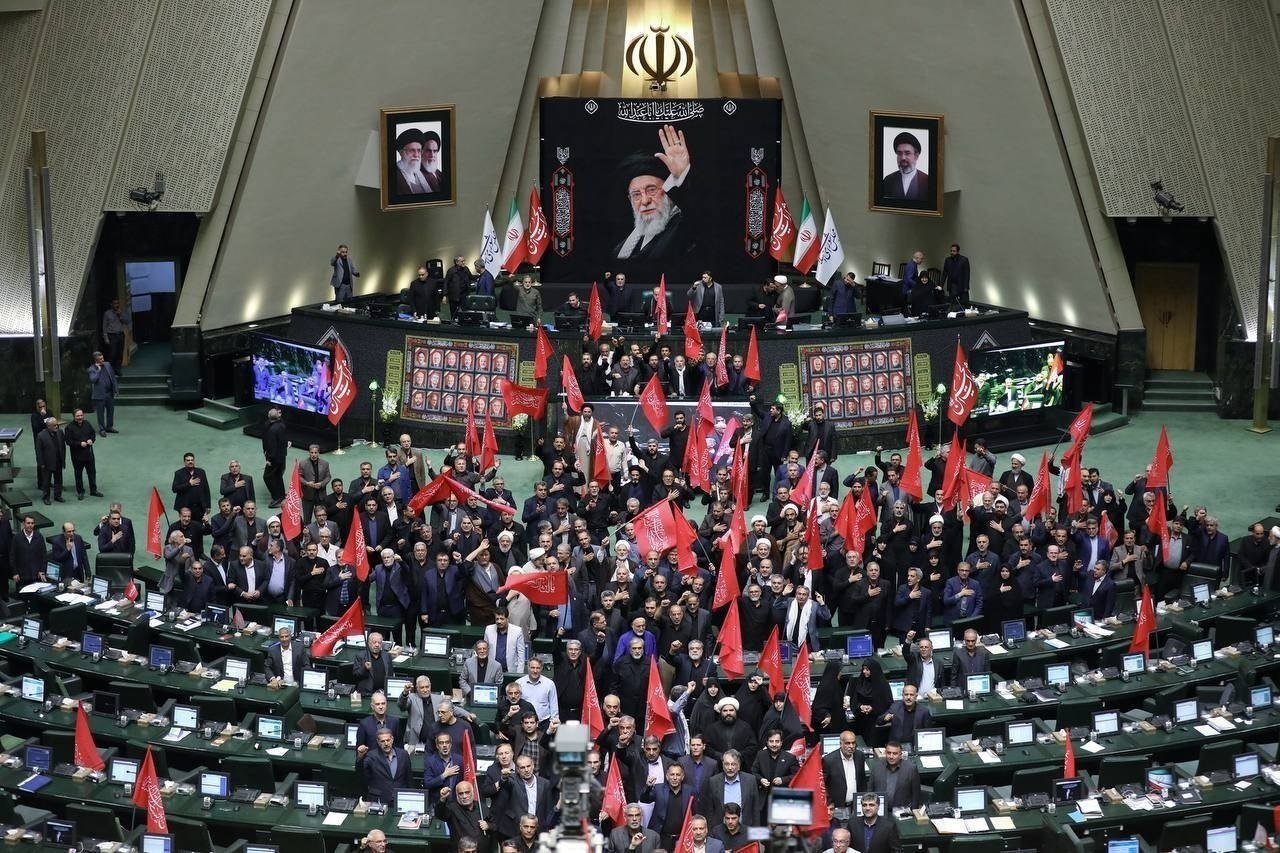
TEHRAN: Iran’s Parliament has elected a new leadership team for its National Security and Foreign Policy Commission, a move that comes amid continued debate over the Trump-Pezeshkian agreement and the ceasefire process.
Commission members voted to elect Ebrahim Azizi as chairman during an internal session held on Tuesday. The leadership changes also resulted in several prominent members losing their positions within the commission’s presidium after publicly criticizing the agreement and the broader diplomatic process.
Seyyed Mahmoud Nabavian, who previously served as the commission’s first deputy chairman during the first two years of the twelfth parliamentary term, was not returned to the leadership. Likewise, Ebrahim Rezaei, who had served as the commission’s spokesperson, also lost his position following his criticism of the agreement and ceasefire framework.
New leadership includes supporters of diplomatic engagement
Lawmakers elected Abbas Moghtadaei, the representative from Isfahan, as the commission’s first deputy chairman. Hassan Qashqavi, a former diplomat known for supporting the Joint Comprehensive Plan of Action (JCPOA), was chosen as the commission’s new spokesperson.
Meanwhile, Behnam Saeidi, regarded as politically close to Parliament Speaker Mohammad Bagher Qalibaf, and Yaqub Reza Zadeh, the representative from Salmas, were elected as the commission’s first and second secretaries. Reza Zadeh had recently voiced support for pursuing an agreement with the United States during a parliamentary debate.
Political divisions remain in focus
The reshuffle has drawn political attention because it follows divisions within Parliament over Iran’s diplomatic direction and relations with the United States. Critics have portrayed the leadership changes as evidence that lawmakers opposing the agreement have lost influence within the commission, while supporters argue the new team will provide greater continuity in handling national security and foreign policy matters.
Political observers note that many members of the current twelfth Parliament, including those backing Speaker Qalibaf’s leadership, are widely viewed as supporting the Trump-Pezeshkian agreement. However, lawmakers remain divided over the long-term implications of the diplomatic process, ensuring that debate over Iran’s foreign policy is likely to continue in the months ahead.
دیکتاتوری تفاهمنامه: مخالفان توافق ترامپ و پزشکیان از هیأت رئیسه کمیسیون امنیت ملی حذف شدند
با رأی اعضای کمیسیون امنیت ملی و سیاست خارجی مجلس، ابراهیم عزیزی بهعنوان رئیس کمیسیون انتخاب شد.
سید محمود نبویان که پیشتر در دو سال ابتدایی دوره دوازدهم مجلس، نائبرئیس اول کمیسیون… pic.twitter.com/HHqLHraLKs
— رجانیوز (@Rajanews_ir) July 14, 2026

