

Opposition Voices Question Impact of Diplomatic Breakthrough
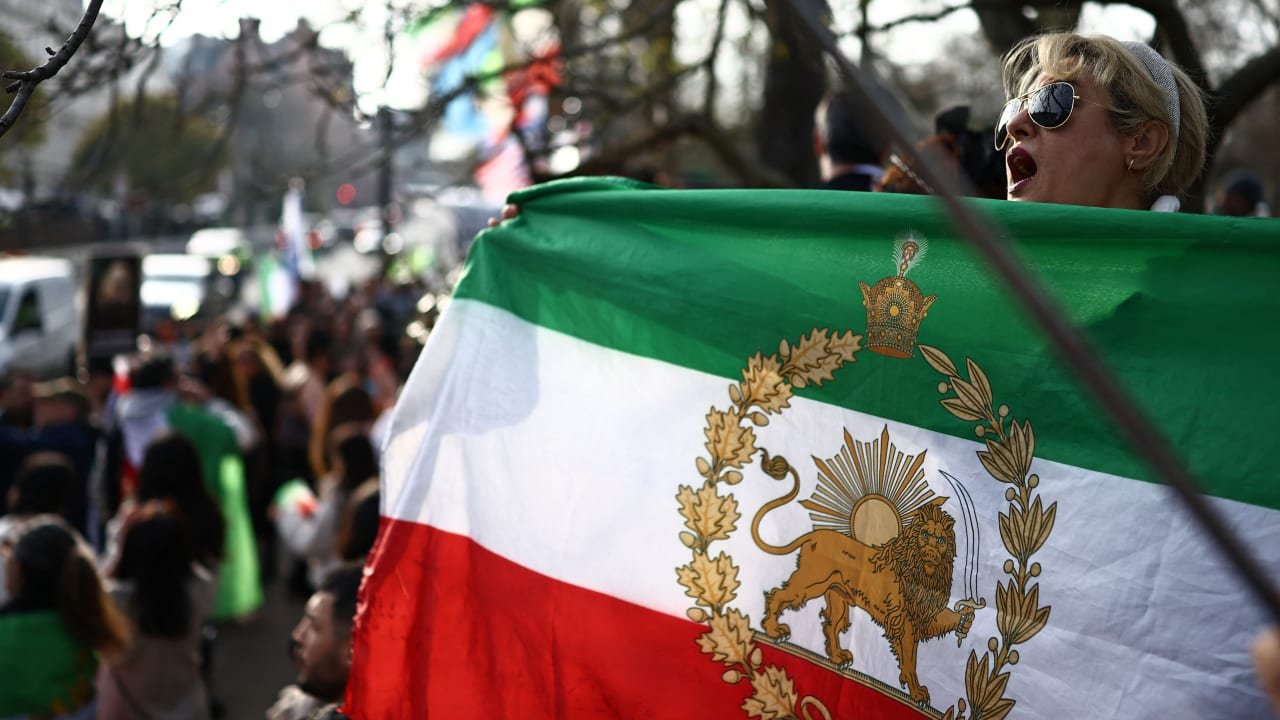
TEHRAN: Some Iranian opposition figures and government critics have reacted with concern to reports of an emerging agreement between the United States and Iran, expressing fears that the deal could strengthen rather than weaken the Islamic Republic.
According to sources familiar with discussions among Iranian dissidents, many opponents of the government had expected recent military and political developments to increase pressure on the ruling establishment. However, reports of a possible diplomatic breakthrough have generated uncertainty among segments of the opposition.
Several critics believe recent conflicts and international pressure had created momentum for significant political change inside Iran. Consequently, they view the prospect of a negotiated settlement as an unexpected development that could alter those expectations.
The concerns emerged as details of a potential agreement, reportedly supported by regional mediation efforts, continue to surface without official confirmation of all terms.
Debate Intensifies Over Internal Political Dynamics
Observers within opposition circles also point to ongoing debates regarding divisions inside Iran’s political and security institutions. Some dissidents argue that competing factions may hold different views on engagement with the United States and broader regional diplomacy.
According to these assessments, some hardline elements may oppose any compromise, while more pragmatic figures could view negotiations as a means of easing international pressure and stabilizing the country’s position.
At the same time, critics fear that successful diplomacy could allow Tehran to present the agreement domestically as a political victory.
Questions Raised About Regional Consequences
Meanwhile, some opposition voices remain skeptical about the long-term impact of the proposed arrangement on Iran’s regional policies and allied groups.
They argue that any agreement should address broader concerns regarding regional security, military activity and internal political reforms. Others worry that the deal could reduce external pressure without producing significant domestic change.
Despite these concerns, analysts note that views among Iranian dissidents remain diverse, with no unified position on the emerging diplomatic framework.
As negotiations move closer to a potential conclusion, attention remains focused on whether the agreement will reshape Iran’s internal political landscape and influence the broader balance of power across the Middle East in the months ahead.

