
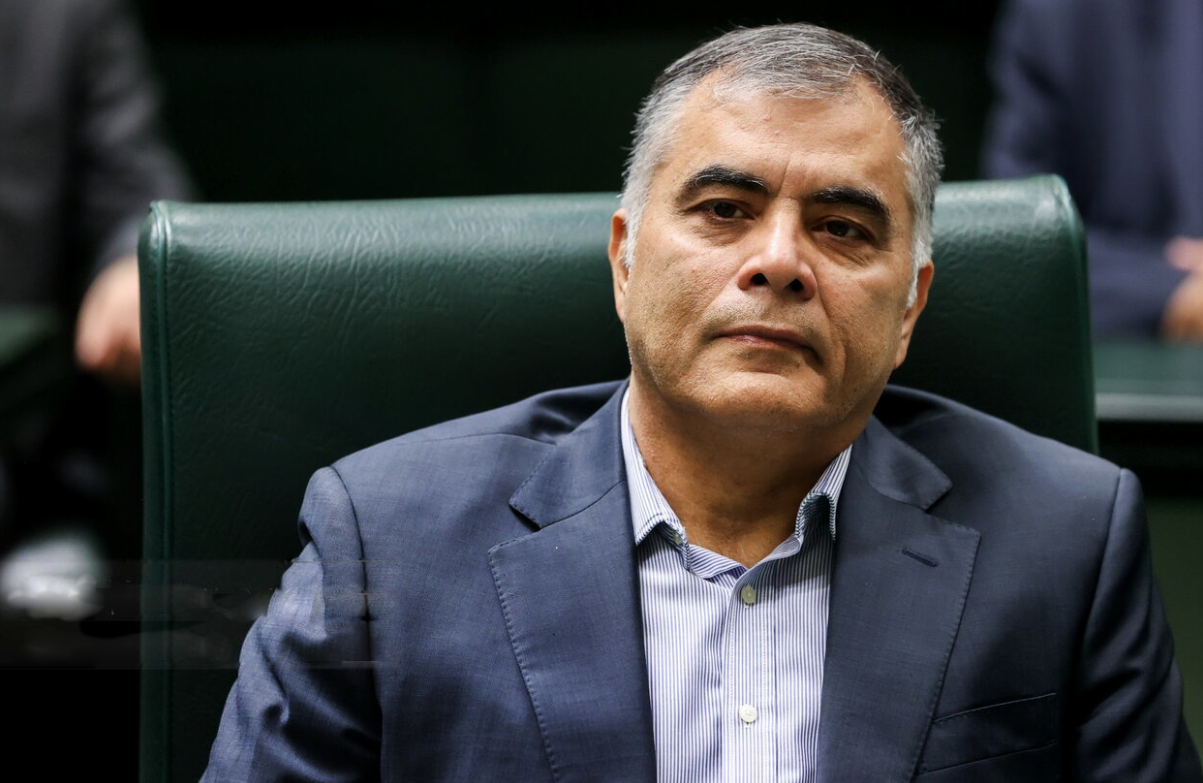

Iran has indicated that its oil industry could serve as a major testing ground for any final agreement with the United States. Oil Minister Mohsen Paknejad said the sector would reflect how seriously Western parties uphold the spirit of a potential deal.
He made the remarks on Sunday through a statement carried by the ministry’s official news outlet. Moreover, he emphasized that progress in the energy sector would signal broader trust in post-agreement cooperation.
The comments come amid ongoing diplomatic engagement linked to wider Middle East stability talks.
Investment Opportunities in a Post-Agreement Scenario
Paknejad highlighted that Iran’s oil sector could unlock significant global investment opportunities if a peace framework is fully implemented. He stated that the industry already holds hundreds of prepared projects.
In addition, he noted that technical and operational partnership contracts are ready for signing. These opportunities, he said, would benefit both Iran and international investors.
Furthermore, he stressed that the oil industry could play a central role in rebuilding economic ties after years of sanctions-related restrictions.
Conditions for Economic Cooperation and Trust Building
According to the minister, successful cooperation depends on whether Western stakeholders remain committed to the agreement’s spirit. He suggested that trust-building would be essential for long-term stability.
However, he did not announce any immediate policy changes. Instead, he framed the oil sector as a practical benchmark for measuring progress.
In parallel, Iran has repeatedly signaled openness to structured investment if political conditions stabilize.
Broader Context of Ongoing Negotiations
The remarks were made as diplomatic negotiations continue over a wider Middle East peace framework involving Iran and the United States. Delegations are meeting in Switzerland to discuss implementation details of earlier understandings.
Additionally, discussions include regional security issues and energy stability concerns. These talks follow delays caused by renewed clashes in parts of the region.
Iran’s position suggests that economic engagement, particularly in energy, remains closely tied to political developments.
Strait of Hormuz and Energy Market Sensitivities
The oil minister’s comments also come against the backdrop of heightened attention to the Strait of Hormuz. The waterway remains a critical global route for oil and gas shipments.
Earlier disruptions in the region had already sent shockwaves through global energy markets. Therefore, any stability in Iran’s energy policy is closely watched by international traders.
Moreover, analysts continue to link energy security with diplomatic progress in the region.
Conclusion
Iran’s oil sector is now being framed as a practical indicator of progress in US-Iran negotiations. The government views it as both an economic opportunity and a diplomatic benchmark.
If agreements move forward, the sector could open large-scale investment channels. However, outcomes remain dependent on sustained political commitment from all involved parties.

