
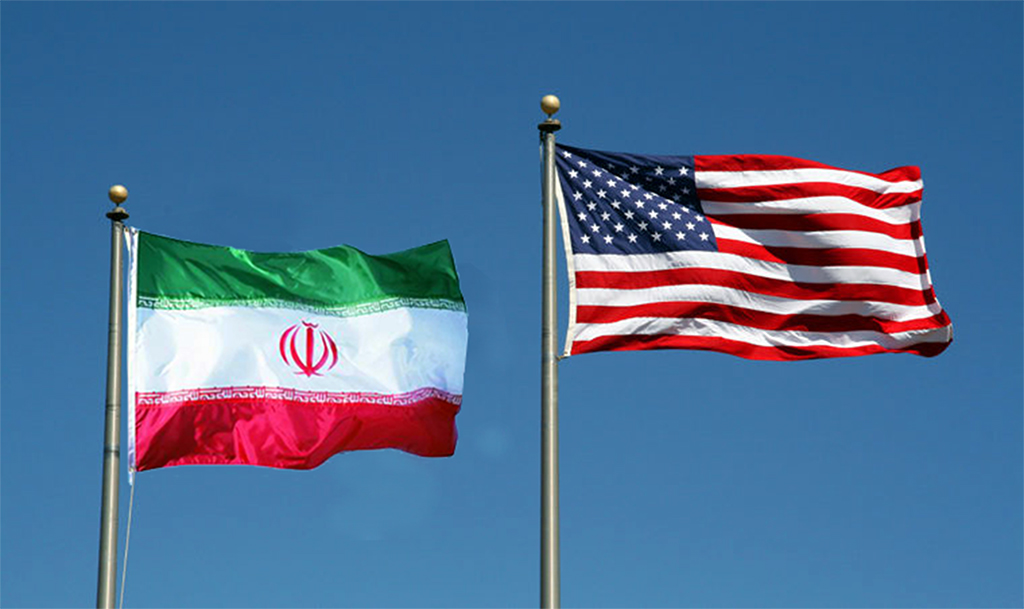

Iran has indicated a conditional willingness to engage in talks with the United States. This development comes as a 45-day extension of the Israel-Lebanon ceasefire continues to reshape diplomatic dynamics across the Middle East.
At the same time, broader regional negotiations remain deeply influenced by ongoing conflicts, shifting alliances, and energy security concerns.
Iran Opens Door to Conditional Negotiations
Iran has signaled openness to dialogue with Washington, although it has maintained strict conditions for any potential negotiations. These include guarantees related to sanctions relief, regional security arrangements, and protection of national interests.
Iranian officials argue that any meaningful engagement must address long-standing disputes rather than focus on limited or temporary arrangements.
The move reflects a cautious diplomatic approach as tensions remain high across multiple fronts in the region.
Lebanon-Israel Ceasefire Extension Influences Regional Stability
The extension of the ceasefire between Israel and Lebanon has added a new layer to regional diplomacy. The 45-day extension, facilitated through US mediation, aims to reduce immediate conflict risks while allowing further negotiations.
The truce has created space for renewed diplomatic discussions involving multiple regional and global actors. However, underlying tensions remain unresolved, particularly along border areas.
US Role and Pakistan’s Mention in Diplomatic Context
Former US President Donald Trump has suggested that Washington’s role in securing an Iran-related truce was partly influenced by broader diplomatic considerations, including coordination with regional partners.
He also stated that the US-Iran truce was agreed as a “favour to Pakistan,” while indicating openness to a long-term arrangement involving a possible 20-year nuclear freeze framework with Tehran.
These remarks highlight the interconnected nature of regional diplomacy, where multiple conflicts and negotiations are increasingly linked.
Broader Regional Diplomatic Developments
Several related developments continue to shape the geopolitical landscape:
- Pakistani and Iranian nationals detained in US-linked maritime incidents have been repatriated following diplomatic engagement.
- Pakistan-led mediation efforts between the US and Iran remain active but are described as being in a difficult phase.
- The UAE has accelerated alternative oil transport routes as Strait of Hormuz disruptions continue to impact global supply chains.
- International financial institutions have warned that regional conflict risks could affect Pakistan’s economic recovery trajectory.
These overlapping developments illustrate how energy security, diplomacy, and conflict resolution are tightly connected across the region.
Energy Security and Strategic Tensions
The situation in the Strait of Hormuz remains a critical concern for global energy markets. Partial disruptions have already influenced oil flows and increased pressure on alternative export routes.
Regional states are increasingly focusing on diversification strategies to reduce dependency on vulnerable maritime corridors.
Outlook for US-Iran Engagement
While Iran has not committed to unconditional negotiations, its willingness to consider talks signals a possible diplomatic opening.
However, analysts note that any progress will depend on broader regional stability, including the outcome of ongoing ceasefire arrangements and energy-related tensions.
For now, diplomacy remains fragile, with both cooperation and confrontation shaping the evolving geopolitical landscape.

