
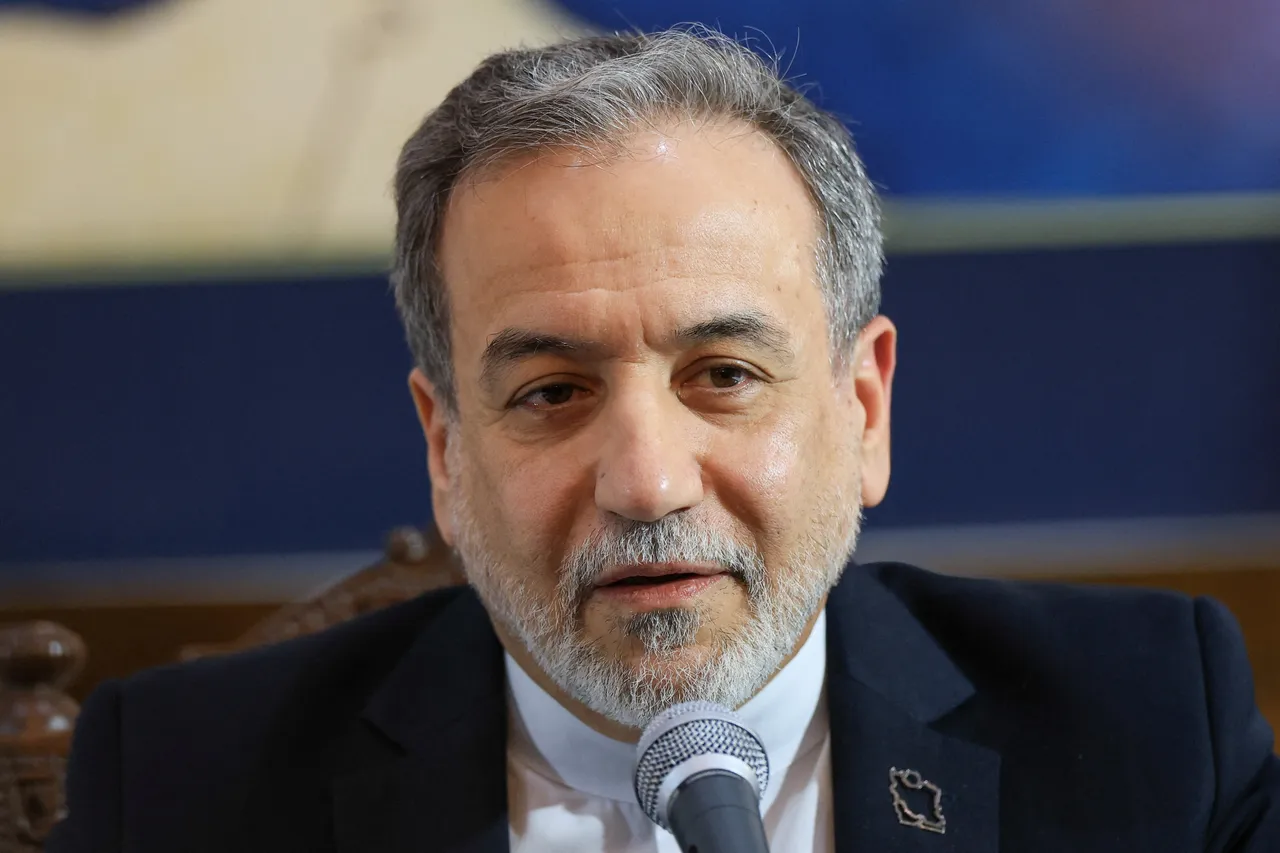

Iranian Foreign Minister Abbas Araghchi said the United States made a strategic mistake by starting the war and underestimating Iran’s military strength. He made the remarks during an interview with Turkish media.
Araghchi said Iran had never feared American threats and remained prepared to defend its national interests. Moreover, he rejected comparisons with other countries by stating that Iran was not Venezuela.
He also claimed Israel believed short military strikes could destroy Iran’s capabilities. However, he said those attacks failed to achieve their intended objectives.
Furthermore, Araghchi alleged that Israeli operations became possible because sensitive information leaked from inside Iran. He said internal security failures may have enabled the attacks and warned that vulnerabilities could still exist.
According to the foreign minister, Israeli intelligence agents knew that Supreme Leader Ayatollah Ali Khamenei regularly worked from his office each morning. Therefore, he suggested that intelligence leaks played a significant role in planning the attacks.
Araghchi also revealed that Iranian authorities had prepared a contingency plan to close the Strait of Hormuz if an attack targeted the supreme leader. However, he did not disclose further operational details.
Meanwhile, he said Iran’s Supreme National Security Council approved the initial ceasefire with the United States. He added that the decision followed consultations among senior officials during the conflict.
Moreover, Araghchi said Tehran entered diplomatic talks to test whether negotiations could produce meaningful results. He explained that Iranian leaders held extensive discussions before deciding whether to continue diplomatic engagement.
The foreign minister emphasized that Iran carefully evaluated every stage of the negotiation process. Consequently, officials weighed both security concerns and diplomatic opportunities before considering any future dialogue.
His comments highlighted Tehran’s position on the recent conflict and its approach to regional security. Meanwhile, Iran continues to balance military preparedness with diplomatic efforts as tensions with the United States and Israel remain high.

