

Iran has defended its latest response to the United States peace proposal. However, US President Donald Trump dismissed it as “TOTALLY UNACCEPTABLE”.
The response was delivered to Washington through Pakistan on Sunday. Iranian officials said the proposal focused on ending the regional conflict and restoring stability.
Iran Says It Asked for “Legitimate Rights”
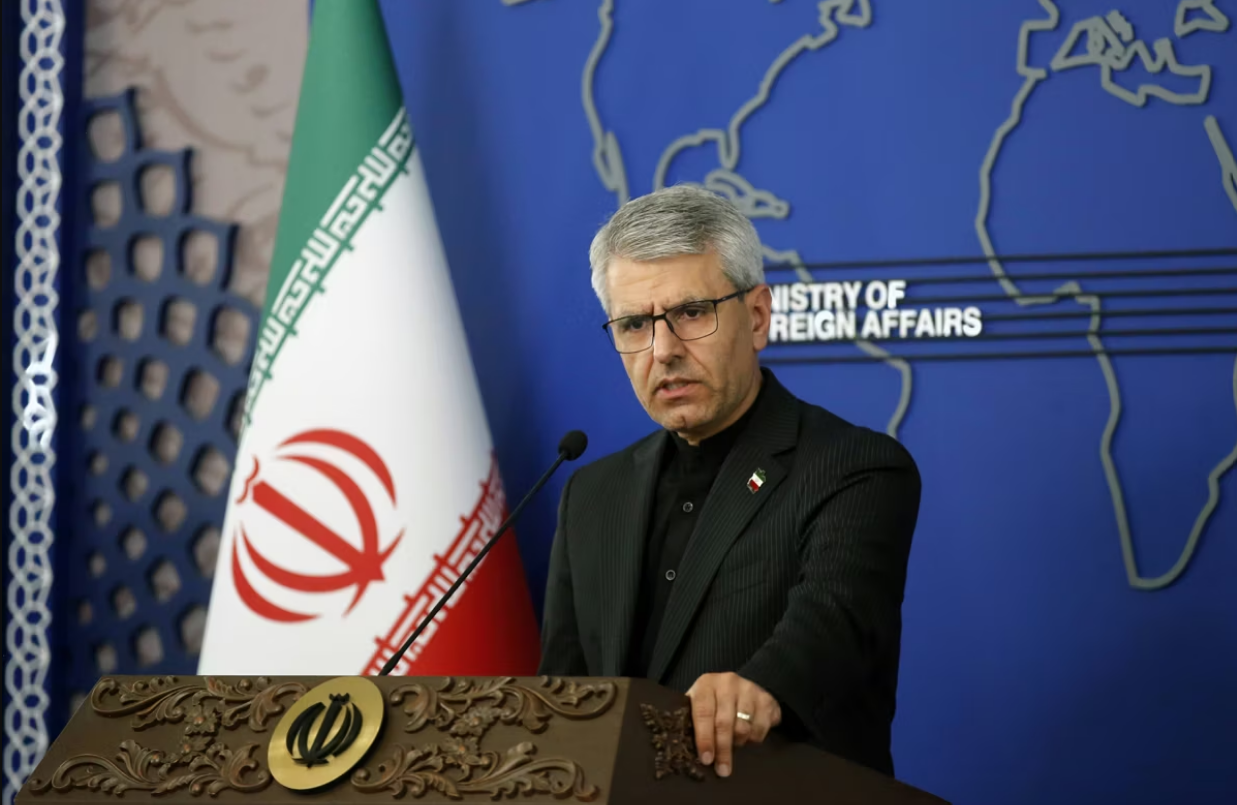
Iranian Foreign Ministry spokesperson Esmaeil Baqaei said Tehran did not seek special concessions.
“We did not demand any concessions. The only thing we demanded was Iran’s legitimate rights,” he said.
According to Baqaei, Iran’s main demands included:
- “an end to the war in the region”
- Lifting the US blockade of Iranian ports
- Ending what he described as “piracy”
- Releasing Iranian assets frozen in foreign banks
- Ensuring safe passage through the Strait of Hormuz
- Establishing security in the region and Lebanon
He said these demands represented “a generous and responsible offer for regional security.”
Iran Warns Against Foreign Intervention
Baqaei criticized Washington’s position and said the United States continued to make “unreasonable” and one-sided demands.
He also warned that outside involvement in the Strait of Hormuz could worsen tensions.
According to him, the core issue remains what Iran views as aggressive actions by the United States and Israel.
“We have conveyed this very clearly to European countries that they should not allow the temptations of the United States and the Zionist regime in regional issues to cause them to be unintentionally drawn into a crisis that will not benefit them,” Baqaei said.
He added that the presence of US forces in the region fuels instability. “The very presence of the US in the region is an example of creating a cycle of violence and bullying in the region,” he said.
Pakistan Continues Role as Mediator
Baqaei confirmed that Pakistan remains the official mediator between Tehran and Washington. “The mediator in the negotiations is still Pakistan, and Islamabad will continue its activities in this regard as an official mediator,” he said.
He added that countries such as Qatar also maintain ties with both sides and may offer suggestions when needed.
Trump Rejects Iran’s Response
Trump said he had reviewed Iran’s reply and strongly opposed it. “I have just read the response from Iran’s so-called ‘Representatives.’ I don’t like it TOTALLY UNACCEPTABLE,” he wrote on Truth Social. He did not provide details about what he found objectionable.
Oil Prices Rise as Tensions Persist
Trump’s rejection pushed oil prices higher on Monday. Investors fear the 10-week conflict could continue and keep shipping through the Strait of Hormuz disrupted. The waterway remains one of the world’s most important energy routes.
Iran Seeks Step-by-Step Negotiations
Iranian officials said the current phase should focus on ending hostilities across the region. More difficult issues, including sanctions relief and the nuclear dispute, could be discussed later.
Tehran also demanded compensation for war damage and reaffirmed its sovereignty over the Strait of Hormuz. An Iranian official said the proposal had broad political support inside the country.
Another source described the response as positive and said “the ball was now in Washington’s court.” Iran hopes the proposal will create an opportunity for renewed dialogue in the coming days.

