

Fresh differences have emerged between Iran and the United States over how Iran may use restored financial assets under their recent agreement.
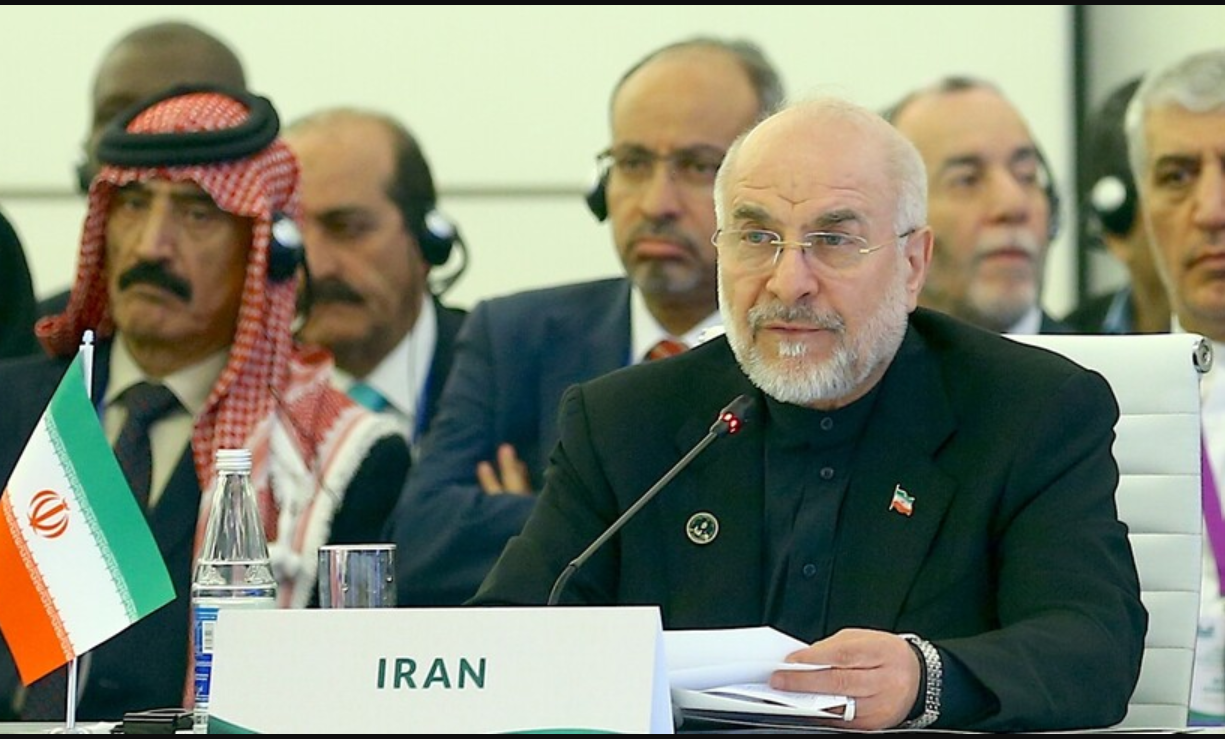
Iran’s Parliament Speaker, Bagher Ghalibaf, publicly rejected claims that Tehran would spend unfrozen funds on American agricultural products.
His remarks added another layer of uncertainty to ongoing efforts aimed at implementing and expanding the agreement between both countries.
While negotiations continue, disagreements remain over financial control and future economic arrangements.
Iran Rejects US Position on Asset Use
Bagher Ghalibaf responded through a post on X and challenged Washington’s description of the agreement.
He dismissed suggestions that Iran had accepted limits on how restored funds would be spent.
“America falsely claims our unfrozen assets will buy their agriculture. Interesting. The only crop we’re harvesting is what you planted: decades of mistrust. It’s organic, abundant, and homegrown. But apparently the US only exports GMO soybeans, broken promises and trash talks,” he wrote.
His comments reflected Tehran’s position that decisions involving national assets remain under Iranian authority.
As a result, the disagreement has become one of the latest points of tension despite ongoing diplomatic engagement.
US Says Funds Would Support Agricultural Purchases
The disagreement followed statements from US President Donald Trump regarding the financial arrangement. According to the US position, approximately $12 billion in Iranian assets would be restored under the agreement. However, the funds would reportedly remain in a designated account.
Trump stated that Iran would be permitted to use those funds to purchase agricultural products from American suppliers. The products mentioned included corn, soybeans and wheat.
Medicines were also included within the proposed spending framework. Senior US officials publicly supported the approach. They argued that the arrangement could also provide benefits for the American agricultural sector.
Tehran Insists Spending Decisions Belong to Iran
Iranian officials strongly rejected the suggestion that another country could determine how restored assets are used. Officials involved in negotiations maintained that Tehran alone will decide spending priorities.
According to their position, future imports would depend on national interests and market conditions. Iranian representatives also stressed that purchasing decisions would consider pricing and product quality.
They maintained that no external conditions should determine those choices. Therefore, officials presented the restored assets as financial resources under Iran’s independent control.
Negotiations Continue Despite Persistent Differences
The exchange highlights the broader challenges that remain between Tehran and Washington. Although recent agreements created momentum for further dialogue, several issues still require clarification.
Financial arrangements remain among the most sensitive topics. At the same time, both sides continue discussions aimed at advancing and implementing the agreement.
For now, the disagreement over unfrozen assets shows that important details remain unresolved. Whether both sides can bridge those differences may shape the next phase of negotiations.

