
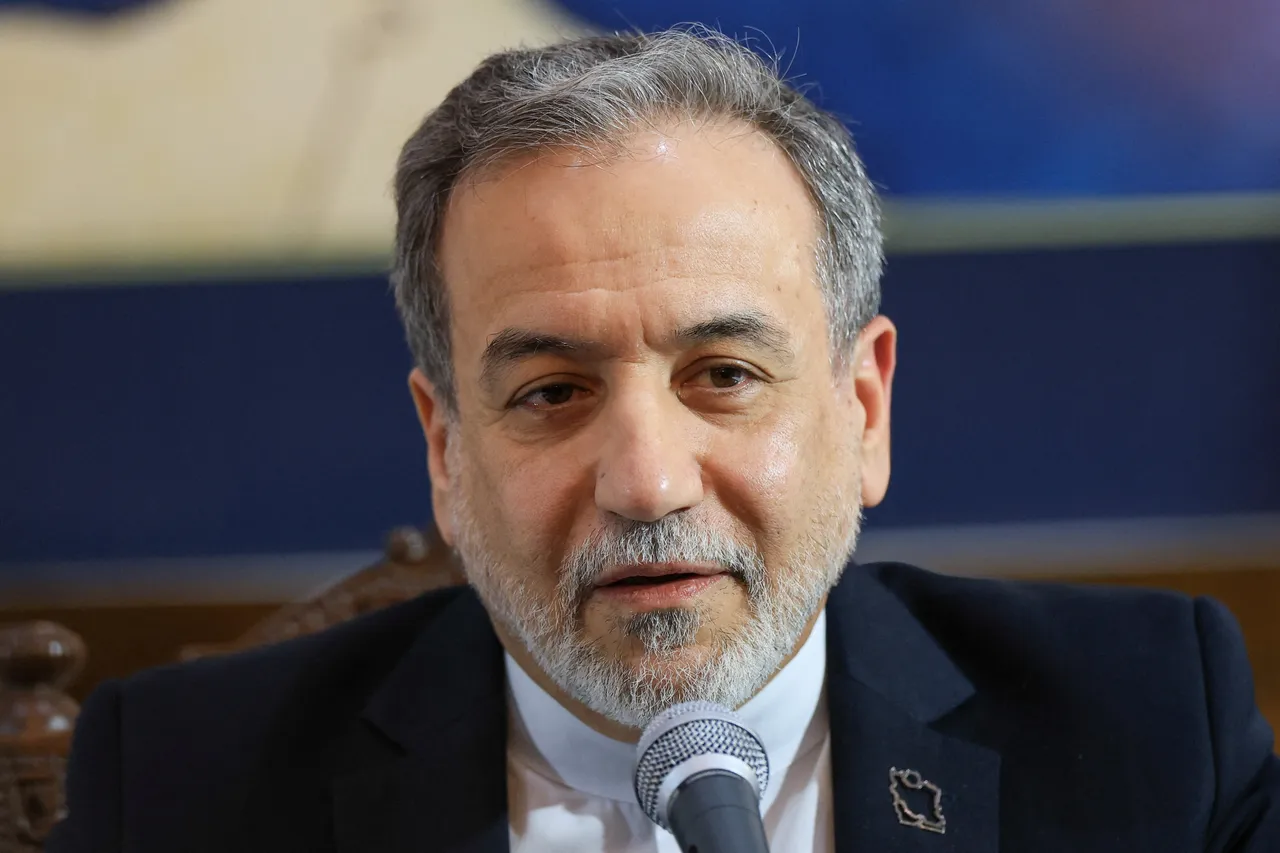

Araghchi Holds High-Level Talks With Regional and International Leaders
Iranian Foreign Minister Abbas Araghchi held a series of high-level telephone conversations on Sunday night with officials from several countries as tensions between Iran and Israel continued to rise.
According to Iran’s Foreign Ministry, Araghchi discussed recent regional developments with the foreign ministers of Britain, France and Turkey, as well as with Qatar’s Prime Minister Mohammed bin Abdulrahman Al Thani. He also spoke with members of a Pakistani mediation team involved in efforts to facilitate dialogue between Tehran and Washington.
The discussions focused on the latest security situation in the Middle East and Iran’s response to what Tehran described as repeated Israeli violations of the ceasefire in Lebanon. However, Iranian officials did not provide detailed information regarding the content or outcomes of the conversations.
The diplomatic contacts came amid a significant escalation between Iran and Israel. Earlier, Iran launched multiple missile barrages toward Israeli territory following an Israeli strike on Beirut’s southern suburbs, an area often associated with Hezbollah activity.
Regional Mediation Efforts Continue Amid Rising Tensions
The flurry of diplomatic engagement highlighted growing international concern over the possibility of a wider regional conflict. Consequently, several countries have intensified efforts to encourage restraint and maintain channels of communication between key parties.
Pakistan has remained involved in mediation initiatives aimed at supporting dialogue between Tehran and Washington. Diplomatic sources view these efforts as increasingly important as tensions threaten ongoing negotiations related to the broader regional conflict.
Meanwhile, Qatar, Turkey, Britain and France continue to play active diplomatic roles in monitoring developments and exploring opportunities for de-escalation. Officials across the region have repeatedly emphasized the importance of dialogue and diplomacy to prevent further military confrontation.
Furthermore, international observers believe the latest round of consultations reflects Iran’s effort to coordinate positions with regional and global partners while responding to rapidly changing events on the ground.
The exchange of missile attacks and military operations has heightened concerns about stability across the Middle East, particularly as several diplomatic initiatives remain underway.
For now, diplomatic engagement continues alongside military developments, with regional powers and international stakeholders seeking to contain tensions and prevent a broader escalation. The coming days are expected to be critical as governments assess both security risks and opportunities for renewed negotiations aimed at reducing hostilities.

