
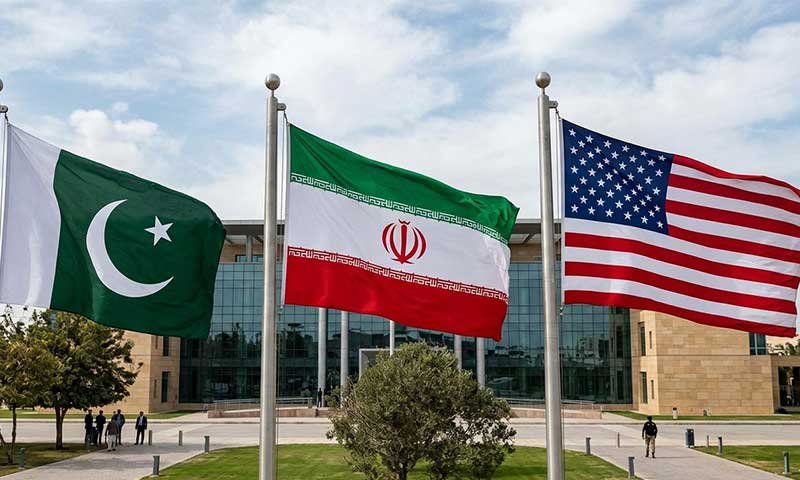

Iran Signals Diplomatic Engagement Through Pakistani Mediation
Iran has officially sent its response to a United States proposal aimed at ending the ongoing regional conflict through mediator Pakistan, according to Iranian state media. The development marks another important diplomatic step as global attention remains focused on efforts to reduce tensions in the Middle East.
Iran’s state news agency IRNA confirmed that Tehran delivered its official response through Pakistani intermediaries. However, Iranian authorities did not publicly reveal details regarding the contents of the message or the specific terms discussed in the proposal.
Pakistani sources also confirmed receiving the Iranian response. Officials stated that the next major development will depend on when the communication is formally delivered to Washington and how the United States reacts afterward.
Diplomatic observers believe the exchange demonstrates that indirect communication channels between Tehran and Washington remain active despite ongoing military tensions and political mistrust.
According to Iran’s ISNA news agency, the central focus of Tehran’s response concerns ending the war and maintaining maritime security in the Persian Gulf and the Strait of Hormuz. The waterway remains one of the world’s most critical oil shipping routes and has become a major point of tension during the conflict.
Analysts say the latest diplomatic contact could help create momentum for ceasefire discussions and broader negotiations involving regional stability and security guarantees.
Iranian Leadership Defends Negotiations While Regional Tensions Continue
Iranian President Masoud Pezeshkian defended the country’s diplomatic engagement and stressed that negotiations should not be viewed as surrender. During a meeting focused on post-war reconstruction, he said Iran remains committed to protecting national interests while pursuing diplomacy with strength and confidence.
The president emphasized that negotiations aim to defend the rights of the Iranian people and secure long-term national interests. His remarks appeared designed to reassure domestic audiences amid political debate surrounding possible peace negotiations with the United States.
Meanwhile, military tensions in the region continue to rise. Earlier reports stated that the Islamic Revolutionary Guards warned of severe retaliation if Iranian commercial ships or oil tankers come under attack.
The warning followed reports that United States forces targeted and disabled two Iranian-flagged tankers in the Gulf of Oman. Iranian officials claimed their navy responded with counterstrikes after the incident.
The Strait of Hormuz remains at the center of the confrontation. Iran has attempted to increase control over maritime traffic in the region, while Washington insists that unrestricted commercial navigation through the strategic waterway must continue.
Iranian media also reported that a Panama-flagged bulk carrier traveling toward Brazil recently passed through the Strait of Hormuz using a route approved by Iranian armed forces. Officials described it as the second vessel within days to use the designated route.
Oil Leak Reports Denied as International Diplomacy Intensifies
Amid growing regional uncertainty, Iran also rejected reports of an oil leak near Kharg Island, one of the country’s most important oil export terminals. Satellite imagery had reportedly shown a large slick near the island earlier this week.
Iran’s Oil Terminals Company stated that inspections found no evidence of leakage from storage tanks, pipelines, loading facilities, or nearby vessels. Officials added that additional field inspections and laboratory testing also failed to identify any environmental damage.
Kharg Island plays a vital role in Iran’s economy because it serves as a major hub for oil exports. Concerns over possible disruption in the area have continued to affect global energy markets and international shipping activity.
At the same time, diplomatic activity involving regional and international leaders has intensified. Senior United States officials recently held meetings with Qatari leadership to discuss efforts aimed at promoting stability and encouraging dialogue between Tehran and Washington.
Qatar and Pakistan are both emerging as important intermediaries in ongoing peace discussions. Political analysts believe their diplomatic involvement could help reduce hostility and support future negotiations.
Despite continuing military incidents and political distrust, international observers say the exchange of proposals between Iran and the United States suggests that diplomacy remains possible. Global powers continue monitoring developments closely as efforts continue to prevent further escalation in the region.

