
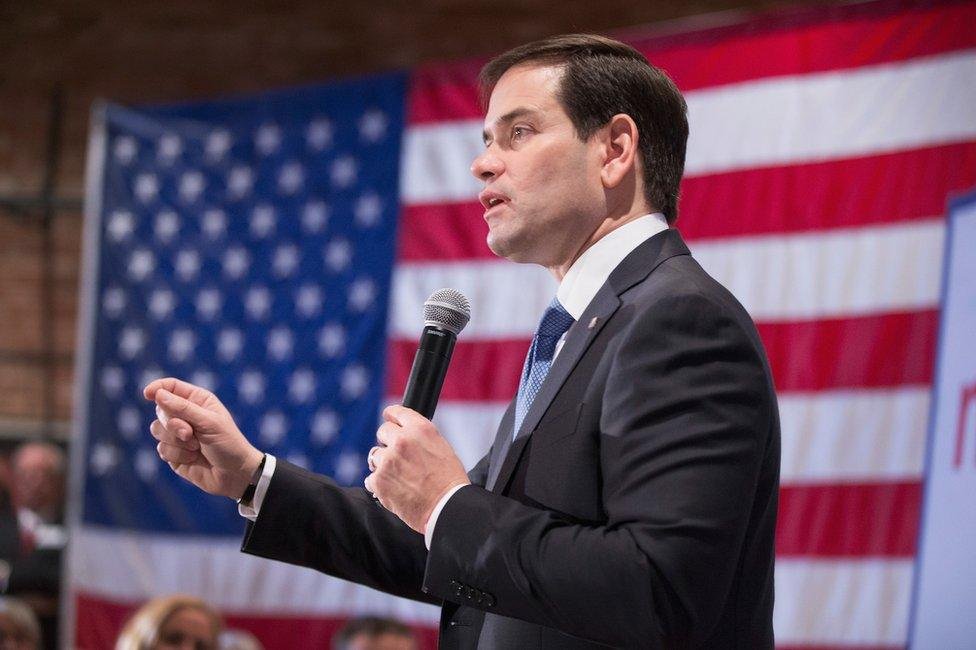

The Iran conflict remained at the center of debate in Washington on Tuesday as lawmakers pressed U.S. Secretary of State Marco Rubio for answers about the administration’s strategy. During Senate testimony, Rubio rejected claims that the United States offered sanctions relief to Iran in exchange for reopening the Strait of Hormuz. Instead, he stressed that any future sanctions relief would depend entirely on Iran abandoning its nuclear program. As the Iran conflict enters its fourth month, congressional concerns continue to grow.
Rubio Defends Administration’s Approach
Rubio told the Senate Foreign Relations Committee that sanctions target Iran’s nuclear activities and highly enriched uranium program. Therefore, he said, relief would only follow verified compliance with agreements to end those activities. He also appeared before a House appropriations hearing as lawmakers reviewed the administration’s proposal to reduce foreign affairs spending while significantly increasing military expenditures.
Meanwhile, several lawmakers sought a clearer explanation of the administration’s long-term objectives. Rubio maintained that the military campaign was necessary to prevent Iran from strengthening conventional forces that could shield its nuclear ambitions. He also claimed there were signs that Iran’s Supreme Leader, Ayatollah Mojtaba Khamenei, had become more involved in negotiations.
Lawmakers Demand Greater Accountability
Democratic Senator Jeanne Shaheen criticized the administration for providing limited information to Congress. She argued that Americans want economic relief rather than prolonged overseas conflicts. In addition, lawmakers questioned whether the White House had adequately consulted Congress before military actions began.
At the same time, political pressure continues to mount. Some Republicans support a tougher stance on Tehran, while others favor congressional oversight of military operations. As debate intensifies, lawmakers continue seeking a clear path toward ending the Iran conflict and achieving a diplomatic resolution.

